
You're probably wondering what the Disability Living Allowance (DLA) is all about. It's a financial support program in the UK aimed at easing the additional costs for families with disabled children under 16. With its care and mobility components, DLA seeks to improve daily living and foster independence. But how does one qualify, and what changes lie ahead in the shift to Personal Independence Payment (PIP)? There's more to uncover.
Key Takeaways
- Disability Living Allowance (DLA) is UK financial aid for children with disabilities to cover care and mobility costs.
- DLA has two components: Care Component for personal care and Mobility Component for mobility assistance.
- Eligibility requires a significant impact on daily care and mobility needs, with supporting medical evidence.
- DLA is not means-tested; eligibility is based on disability needs, not financial status.
- DLA helps recipients maintain independence and improve the quality of life by covering extra disability-related expenses.
Overview of Disability Living Allowance
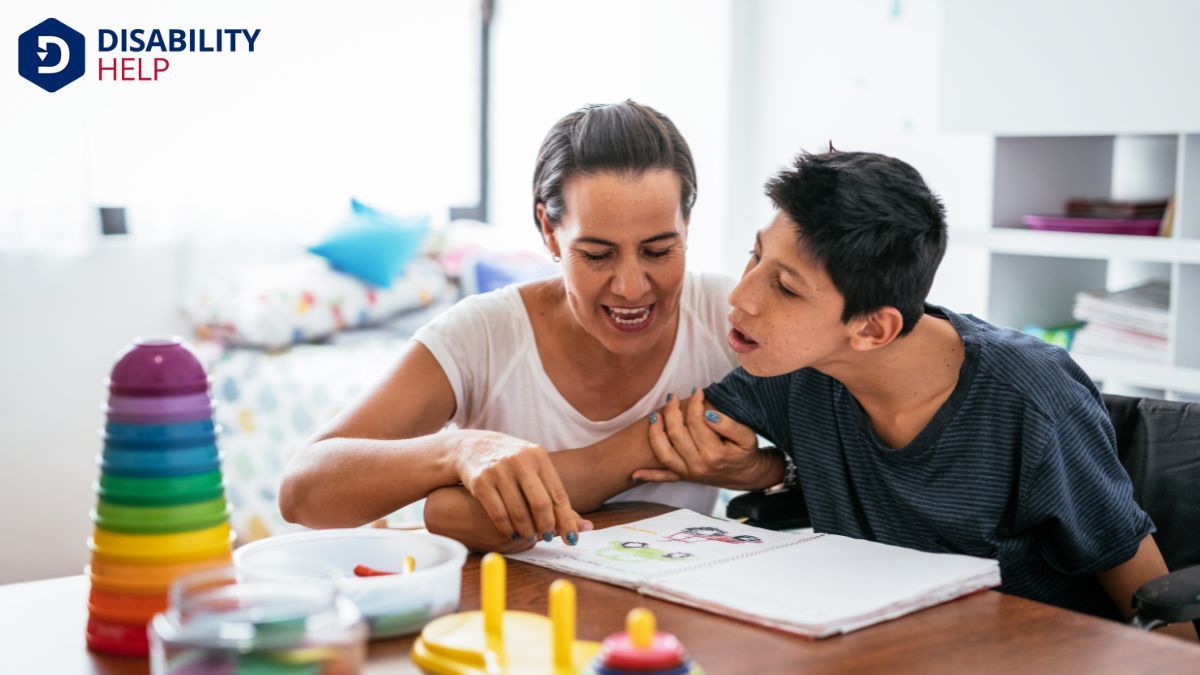
Although steering through benefits can be challenging, understanding Disability Living Allowance (DLA) is vital for those who need it. DLA is a UK financial aid designed to help with the extra costs faced by individuals with disabilities. It offers essential support to those under 16, providing funds for care and mobility needs.
By covering these areas, DLA guarantees that individuals can lead a more independent life despite their challenges.
You might find DLA beneficial if you're supporting someone who struggles with daily living or mobility. The allowance is split into two components: care and mobility, each with different levels based on the severity of the needs.
Being informed about DLA helps you access the necessary resources for a better quality of life.
Eligibility Criteria for DLA
To qualify for Disability Living Allowance (DLA), you must meet specific age and residency requirements.
Your health condition needs to significantly affect your daily care and mobility needs.
Understanding these criteria will help you determine your eligibility and guide your application process.
Age and Residency Requirements
When applying for Disability Living Allowance (DLA), understanding the age and residency requirements is vital.
First, confirm you're applying for a child under 16, as DLA is specifically for this age group. If the individual is older, they may need to look into Personal Independence Payment (PIP) instead.
Residency requirements are important, too. You must be living in Great Britain, with some exceptions for members of the armed forces and their families.
Additionally, you should have been in Great Britain for at least 2 of the last 3 years, but this doesn’t apply if your child is under 6 months old or if you’re terminally ill.
Be certain you meet these criteria before moving forward with your application.
Health Condition Criteria
Determining eligibility for Disability Living Allowance (DLA) hinges on the specific health condition criteria your child must meet.
It's crucial to understand the key requirements to guarantee they qualify. Here’s what you need to know:
- Long-Term Illness: Your child must have a health condition or disability that has lasted, or is expected to last, at least 12 months.
- Impact on Daily Life: The condition should greatly affect their everyday activities, making it difficult to manage without additional support.
- Medical Evidence: You’ll need documentation, like medical reports or assessments, to demonstrate the condition's impact.
- Consistency: The health condition should consistently affect your child’s life, rather than causing sporadic issues.
Care and Mobility Needs
While understanding the health condition is essential, evaluating your child’s care and mobility needs is equally important for determining eligibility for Disability Living Allowance (DLA).
You should consider how much extra help your child requires compared to other children their age. For care needs, think about personal care tasks like dressing, eating, or supervision for safety.
Mobility needs focus on your child’s ability to move around independently. If they struggle with walking or need special equipment, this is significant information.
Documenting these challenges helps you illustrate the level of support your child requires daily.
Applying for Disability Living Allowance
Are you considering applying for Disability Living Allowance (DLA)? Steering through the application process might seem intimidating, but breaking it down can make it manageable. Here's how you can start:
- Gather Necessary Information: You'll need details about your medical condition and how it affects your daily life. This includes medical reports, prescriptions, and any other relevant documents.
- Complete the Application Form: You can apply online or request a paper form. Fill it out carefully, ensuring all sections are complete and accurate.
- Include Supporting Evidence: Attach any additional documents that support your case, like letters from healthcare professionals.
- Submit Your Application: Once everything's ready, send it off. Keep copies for your records in case you need to refer back.
Taking these steps can help simplify your DLA application process.
Understanding the Assessment Process
Once you've sent in your Disability Living Allowance application, the next step is understanding the assessment process. This process determines your eligibility and the level of support you'll receive.
It involves reviewing the information you've provided and may include contacting your healthcare providers for additional details. Sometimes, a face-to-face assessment might be needed to better understand your situation.
During this assessment, you'll discuss how your disability affects your daily life. Be honest and provide as much detail as possible. Remember, the goal is to accurately reflect your needs, so don't hold back on sharing important information.
After the assessment, the decision-making team will evaluate all the evidence. You'll receive a letter informing you of their decision and any entitlement.
Components of the DLA Payment
The Disability Living Allowance (DLA) payment is structured into two main components: the Care Component and the Mobility Component. Each serves a distinct purpose designed to meet different needs.
- Care Component: This part helps with the additional costs of personal care due to a disability. It's divided into three rates: lower, middle, and higher, depending on the level of care required.
- Mobility Component: This assists with the costs related to getting around. It also has two rates: lower and higher. Your eligibility depends on how the disability affects your mobility.
- Eligibility: To qualify, you must meet specific criteria related to your disability's impact on daily life or mobility.
- Age Factors: The DLA is available for children under 16, but adult claims shift to Personal Independence Payment (PIP).
How DLA Supports Families
When maneuvering the challenges of raising a child with a disability, the financial support from Disability Living Allowance (DLA) can be an essential lifeline for families.
It helps you cover the additional costs associated with your child's care needs, such as specialized equipment, therapies, or transportation. With DLA, you can make adaptations to your home or provide necessary educational resources without the constant worry about finances.
This support enables you to focus more on your child's well-being and less on financial stress. DLA also acknowledges the extra time and effort you dedicate to caregiving.
It can provide a sense of relief, knowing you're not alone in this journey. Ultimately, it empowers you to create a nurturing environment where your child can thrive.
Changes to DLA and PIP Transition
As the landscape of disability benefitsFinancial assistance provided to individuals who are unable to work due to a disability, such as Soc... evolves, understanding the change from Disability Living Allowance (DLA) to Personal Independence Payment (PIP) is important.
This shift affects many, so staying informed is vital. Here's what you need to know:
1. Eligibility: PIP focuses on how your condition affects daily living and mobility, rather than the condition itself.
You’ll undergo an assessment to determine eligibility.
2. Age Group: DLA is phasing out for adults aged 16 to 64, who'll move to PIP.
Children under 16 will continue receiving DLA.
3. Assessment Process: PIP requires a face-to-face consultation with a health professional, unlike DLA.
4. Components and Rates: PIP has two components—daily living and mobility—each with two rates: standard and enhanced, offering tailored support.
Impact of DLA on Daily Living
Switching from DLA to PIP has prompted many to reevaluate how these benefits influence daily life.
If you're receiving Disability Living Allowance, you know it provides essential financial support to cover the extra costs associated with disabilities. This allowance can empower you to maintain independence by helping with mobility needs or personal care.
For instance, you might use DLA to afford transportation to medical appointments, purchase specialized equipment, or hire assistance for daily tasks.
It's not just about finances; it's about enhancing your quality of life and ensuring you can participate in everyday activities. Understanding how DLA impacts your life allows you to better plan and make informed choices, ensuring your needs are consistently met.
Common Misconceptions About DLA
You might think that only physical disabilities make you eligible for Disability Living Allowance, but that's not the case.
There's also confusion around the application process, often seen as more complicated than it really is.
Understanding these misconceptions can help you navigate DLA more effectively.
Eligibility Criteria Misunderstandings
Why do so many misunderstand the eligibility criteria for Disability Living Allowance (DLA)? It often stems from common misconceptions about who qualifies and how DLA works. Here’s a breakdown to clear up some confusion:
- It's not just for physical disabilities. People assume DLA is only for visible impairments, but it covers mental health issues and learning difficulties too.
- You don't need a formal diagnosis. Many think a diagnosis is mandatory, but what matters is how the condition affects daily living.
- Age matters. DLA is for children under 16; adults apply for Personal Independence Payment (PIP).
- It's not means-tested. Some believe income or savings affect eligibility, but DLA is awarded based on need, not financial status.
Understanding these can help you determine if DLA is right for you or a loved one.
Application Process Confusion
Having clarified the eligibility criteria, let's address the application process, which often puzzles many. You might think it's overly complicated, but breaking it down helps.
First, gather all necessary documents like medical reports and personal identification. It's essential to provide accurate details about your condition and how it impacts your daily life.
Don't rush; take the time to fill out each section thoroughly. Many believe an incomplete form leads to automatic rejection, but that's not true. If you miss something, the DLA team usually contacts you for more information.
Also, remember that you can ask for assistance. Whether it's friends, family, or a professional advisor, having someone guide you can make the process much smoother and less intimidating.
Resources and Support for DLA Recipients

Although traversing the world of benefits can be challenging, a variety of resources and support systems are available to help Disability Living Allowance (DLA) recipients.
These resources aim to make your experience more manageable and stress-free. Here's a handy list to guide your journey:
- Local Council Support: Your local council can offer advice and assistance tailored to your needs, ensuring you get the most from your DLA.
- Charity Organizations: Many charities specialize in providing guidance and advocacyThe act of arguing in favor of, supporting, or defending the rights and interests of individuals or ... for those receiving DLA, making sure your rights are upheld.
- Online Communities: Engaging with online forums and social media groups can connect you with others sharing similar experiences, offering valuable insights.
- Helplines: Reach out to dedicated helplines for personalized advice and support on maneuvering DLA-related issues.
Conclusion
By understanding the Disability Living Allowance, you can better navigate its benefits and support for individuals under 16 with disabilities. It’s essential to grasp the eligibility criteria, application process, and assessment to guarantee you or your loved one receives the right support. Remember, DLA is here to enhance daily living and independence. Stay informed about changes, like the shift to PIP, and seek available resources to maximize these benefits and improve quality of life.