

When we're involved in a car accident, it's not just the physical injuries that can affect us—emotional distress, like anxiety, often plays a significant role in our recovery. Determining how much compensation one might receive for anxiety can be complex and depends on various factors. We need to evaluate the severity, duration, and impact on daily life. But how do we navigate these intricacies to guarantee fair compensation? Let's explore the details together.
Key Takeaways
- Compensation varies based on anxiety severity, duration, and impact on daily life, work, and relationships.
- Medical documentation and therapy records are crucial for substantiating anxiety compensation claims.
- Legal criteria require showing substantial, long-lasting anxiety directly caused by the car accident.
- Insurance policies and legal precedents influence potential compensation amounts for anxiety.
- Consulting with experienced attorneys can help maximize compensation for anxiety after a car accident.
Understanding Anxiety After a Car Accident
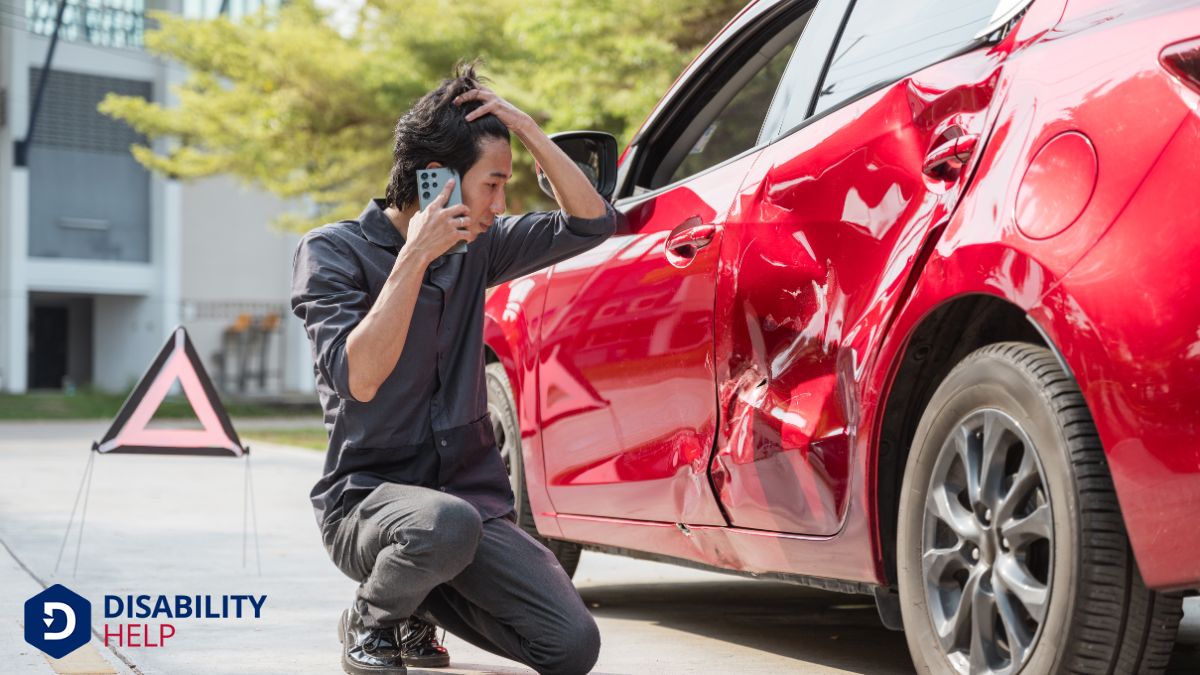
Experiencing a car accident can be a traumatic event that affects us not just physically but mentally as well. When we find ourselves in such situations, anxiety can emerge as an unexpected companion, lingering long after the event.
It’s essential to recognize that anxiety isn't just about fear or worry; it can manifest as sleeplessness, irritability, or even panic attacks. Our minds and bodies react in ways that might seem confusing or overwhelming, often impacting our daily lives.
Understanding that these reactions are normal can be the first step towards healing. By acknowledging our shared experiences, we can create an environment where discussing mental health is encouraged.
Let's remember, seeking support is a strength, not a weakness, and together, we can navigate these emotional challenges.
Legal Acknowledgment of Emotional Distress
When we seek compensation for anxiety after a car accident, understanding how the law recognizes emotional distress is vital.
Let's explore the criteria that can qualify distress as a compensable claim and how anxiety compensation is calculated.
Emotional Distress Criteria
Understanding the legal acknowledgment of emotional distress begins with recognizing the criteria that must be met to establish a valid claim.
We must navigate these criteria carefully to present a compelling case for compensation after a car accident. Emotional distress isn’t always visible, but it greatly impacts our lives.
To proceed, we should consider several factors that courts typically examine:
- Severity of Distress: The emotional impact should be substantial and long-lasting.
- Medical Documentation: Professional evaluations or therapy records support the claim.
- Causation: A clear linkage between the accident and emotional distress is essential.
- Physical Manifestation: Symptoms like headaches or insomnia can strengthen the claim.
- Pre-existing Conditions: Document any conditions worsened by the accident.
Anxiety Compensation Calculations
Calculating compensation for anxiety following a car accident involves evaluating various factors that the legal system recognizes.
We must contemplate the severity of the anxiety, its impact on daily life, and any medical treatment received. Anxiety isn't always visible, but it can deeply affect our ability to function. Legal acknowledgment of emotional distress means we can receive compensation if anxiety disrupts our lives considerably.
To determine the appropriate amount, we might look at medical records, therapist notes, and personal accounts.
We also need to reflect on how anxiety affects our work and relationships. A skilled attorney can help us navigate this process, ensuring we present a compelling case.
Factors Influencing Compensation Amounts
When we consider compensation for anxiety after a car accident, the severity of the condition plays an essential role.
We need thorough medical documentation to substantiate the extent of the anxiety experienced.
Let’s explore how these factors can greatly influence the compensation amounts we might expect.
Severity of Anxiety
The severity of anxiety after a car accident plays an essential role in determining the compensation amount.
We need to reflect on how profoundly anxiety affects our daily lives.
Let's think about the impact it might've on us:
- Intensity of Symptoms: Are we experiencing frequent panic attacks or constant worry?
- Duration of Anxiety: Is this anxiety short-term or has it persisted over an extended period?
- Impact on Daily Activities: Are we struggling with work, social interactions, or personal relationships?
- Need for Therapy: Have we required counselingProfessional guidance to help individuals cope with emotional, mental, or social challenges, particu... or medication to manage our symptoms?
- Quality of Life: Has our overall enjoyment of life diminished considerably?
Medical Documentation Required
Understanding how deeply anxiety affects our lives after a car accident sets the stage for exploring the importance of medical documentation in seeking compensation.
Accurate and detailed medical records are vital. They provide concrete evidence of our anxiety and its impact on daily life. When we seek compensation, these documents help establish a direct link between the accident and our mental health struggles.
We must guarantee our healthcare providers note every symptom, treatment, and diagnosis related to our anxiety. These records should include therapy sessions, medications prescribed, and any professional evaluations.
By maintaining thorough documentation, we strengthen our claim and increase the likelihood of receiving fair compensation.
Let’s remember, clear medical documentation isn't just paperwork—it's our pathway to justice and recovery.
Severity and Duration of Anxiety Symptoms
Experiencing anxiety after a car accident can vary greatly in both severity and duration, impacting each of us differently. Understanding these variations helps us navigate our paths to recovery.
Some of us might experience mild symptoms that fade quickly, while others endure more intense feelings lasting months or even years. Recognizing these differences is vital for seeking appropriate support and compensation.
Consider the following factors:
- Intensity: Anxiety can range from mild unease to severe panic attacks.
- Frequency: Symptoms might occur sporadically or be a constant presence.
- Triggers: Certain situations or reminders of the accident may exacerbate symptoms.
- Coping mechanisms: Our ability to manage stress can influence recovery speed.
- Professional intervention: Therapy or medication may be necessary for severe cases.
Each experience is unique, and acknowledging this helps us move forward.
Impact on Daily Life and Functioning
When anxiety grips us after a car accident, it often disrupts our daily lives and functioning in significant ways.
We might find ourselves avoiding driving or even getting into a car, fearing another accident. This can affect our ability to work, attend social gatherings, or complete everyday tasks. Our concentration may suffer, making it difficult to focus on responsibilities or enjoy leisure activities.
Sleep disturbances could leave us feeling exhausted, impacting our mood and energy levels.
Such anxiety can strain our relationships, as loved ones mightn't fully understand what we're experiencing. We might withdraw from activities we once enjoyed, leading to isolation.
Recognizing these impacts is vital as they underscore the importance of addressing our mental health needs and seeking appropriate compensation.
Documentation and Evidence Required
Gathering thorough documentation and evidence is essential when seeking compensation for anxiety after a car accident. It not only supports our claim but also paints a clear picture of how the accident affected our mental health.
To build a strong case, let's focus on collecting the following:
- Police Reports: These provide an official account of the accident and can highlight any immediate concerns or observations.
- Personal Diaries or Journals: They can offer insights into our emotional journey and changes in daily life post-accident.
- Witness Statements: Testimonies from those who saw the accident or our behavior afterward can be invaluable.
- Photographs or Videos: Visual evidence of the accident scene and any visible injuries.
- Receipts and Bills: Documentation of expenses related to therapy or medication.
Having this evidence strengthens our pursuit for rightful compensation.
Role of Medical Professionals in Assessments
While gathering documentation is vital, the input of medical professionals plays a significant role in assessments for compensation claims. They’re the experts who help us understand the extent of anxiety resulting from a car accident. By evaluating symptoms and their impact on daily life, they provide important insights.
We rely on their diagnosis and treatment plans to validate our claims, guaranteeing they reflect the true nature of our condition. Medical professionals also document our progress and any ongoing challenges, which is essential for accurately determining compensation.
Their reports can highlight the necessity for therapy or medication, strengthening our case. By working closely with healthcare providers, we make certain our claims are backed by credible, detailed evidence, leading to fair assessments and appropriate compensation.
The Legal Process for Claiming Compensation
Steering through the legal process for claiming compensation after a car accident can seem overwhelming, yet understanding each step can simplify the journey.
First, we must gather all necessary documentation, including medical reports and accident details. This information is essential for building our case.
Next, we consult with a qualified attorney experienced in personal injury claims to guide us through the legal maze.
Here are key steps in the process:
- File a claim: Submit our documented claim to the insurance company promptly.
- Negotiate settlement: Engage in discussions to reach a fair settlement.
- Consider mediation: Explore alternative dispute resolution if negotiations stall.
- Prepare for court: If needed, get ready to present our case in court.
- Stay informed: Keep up-to-date with our case's progress.
Understanding these steps empowers us in our pursuit of justice.
Strategies for Maximizing Your Compensation

To maximize our compensation after a car accident, it’s vital that we adopt a strategic approach.
First, let’s document everything. We should keep records of medical visits, therapy sessions, and any related expenses. This documentation supports our claim and illustrates the anxiety’s impact on our daily lives.
Next, consulting with a knowledgeable attorney can provide us with insights tailored to our situation, helping us navigate complex legal processes. They’ll guide us in gathering the necessary evidence and negotiating effectively with insurance companies.
Additionally, it's important to communicate openly with healthcare providers about our symptoms to guarantee accurate medical records.
Conclusion
In summary, securing fair compensation for anxiety after a car accident requires us to be proactive and informed. We need to gather thorough documentation, including medical records and therapy notes, to substantiate our claims. Consulting legal professionals guarantees we're aware of all factors influencing compensation, such as lost wages and ongoing treatment needs. By understanding the process and collaborating with medical experts, we can effectively advocate for the compensation we deserve for our emotional distress.