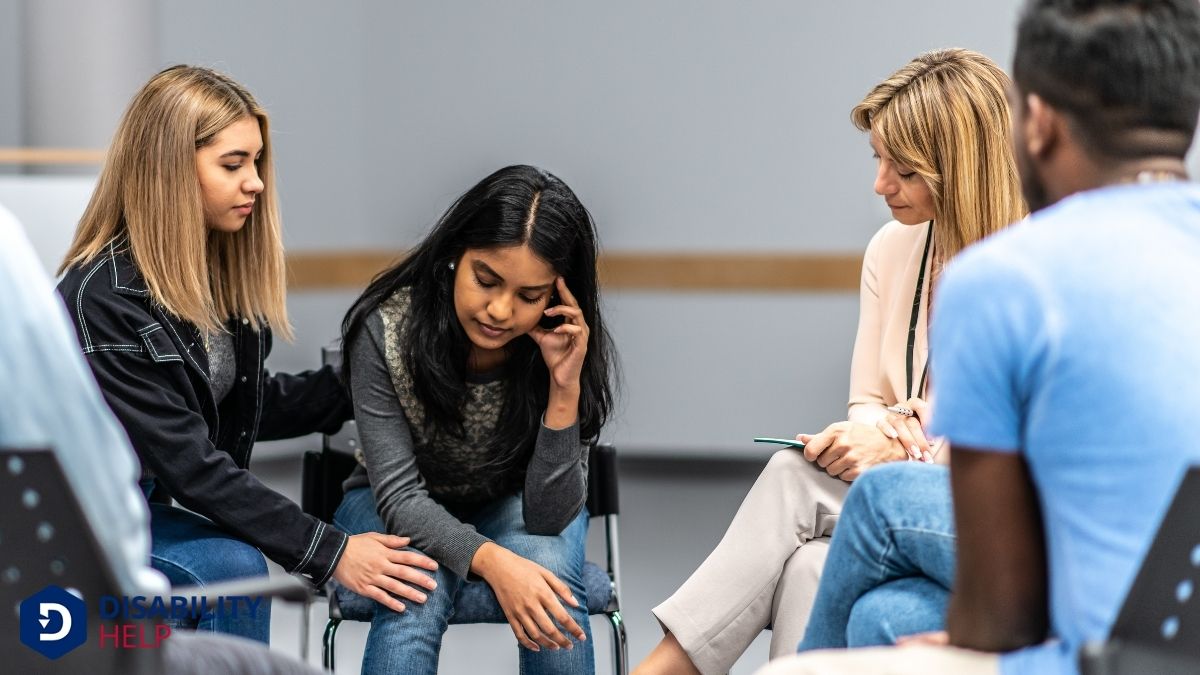
When we think about how disability affects mental health and wellbeing, it's clear that the challenges go beyond physical limitations. We often face societal barriers that can lead to stress and isolation. The stigmaThe negative attitudes and discrimination faced by individuals with disabilities due to societal ste... surrounding disabilities can amplify these feelings and make it harder to maintain a positive self-image. What can we do to support mental resilienceThe ability of individuals with disabilities to cope with and adapt to challenges and adversity. and foster a more inclusive environment for everyone? Let's explore this vital topic together.
Key Takeaways
- Disabilities can lead to stress or anxiety due to new challenges and societal attitudes.
- Social stigma and exclusion can negatively impact mental health and create feelings of isolation.
- Managing disabilities alongside daily responsibilities can decrease mental resilience and increase frustration.
- Limited access to healthcare and support services can hinder mental well-being.
- Financial constraints from disability-related expenses contribute to stress and mental health issues.
The Interconnection Between Disability and Mental Health
When we explore the relationship between disability and mental health, it becomes evident that these two aspects of well-being are deeply intertwined. Disabilities can impact mental health by altering daily experiences and perceptions. We might feel overwhelmed by new challenges or societal attitudes, which can lead to stress or anxiety.
Conversely, mental health conditions can influence how we manage or perceive a disability, potentially exacerbating its effects. There's a significant interplay where one aspect can amplify challenges in the other. Recognizing this interconnection helps us understand that addressing one area often requires addressing the other.
Challenges Faced by Individuals With Disabilities
Understanding the interplay between disability and mental health sets the stage for recognizing the challenges faced by individuals with disabilities. We often encounter barriers that affect our mental wellbeing, including limited access to appropriate healthcare and the physical environment.
These obstacles can hinder our sense of independence, leading to feelings of frustration and helplessness. Moreover, maneuvering social interactions can be intimidating. We might face difficulties in communication or experience exclusion, which can exacerbate feelings of isolation.
Financial constraints add another layer of stress, as disability-related expenses can be overwhelming. Balancing daily responsibilities with managing our health takes a toll on our mental resilience.
Let’s remember that acknowledging these challenges is essential in fostering empathyThe ability to understand and share the feelings of another, particularly important in understanding... and driving change for a more inclusive world.
The Role of Societal Stigma in Mental Well-being
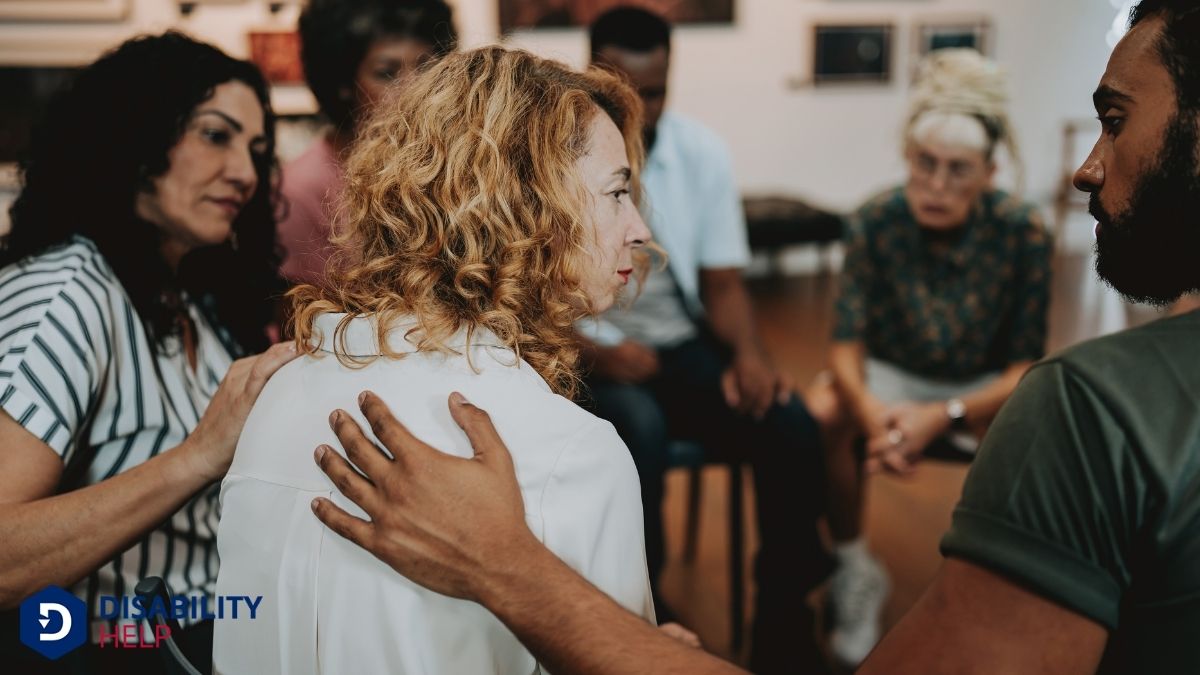
Although we endeavor for a more inclusive society, societal stigma around disability and mental health persists, impacting our mental wellbeing. Stigma can lead to feelings of shame and isolation, as those with disabilities might internalize negative stereotypes. This experience often exacerbates anxiety and depressionA mental health condition marked by persistent feelings of sadness and loss of interest..
When society labels us, it creates barriers to accessing support and services, further affecting our mental health. We must recognize that these harmful perceptions don't just harm individuals—they affect our entire community by perpetuating misunderstanding and discrimination.
Conversations about disability often focus on limitations rather than strengths, which diminishes our sense of identity and worth. By challenging and changing these narratives, we can foster environments that support mental wellbeing, allowing everyone to flourish and contribute meaningfully.
Let's continue to aim towards empathy and inclusionThe practice of creating environments in which any individual or group can be and feel welcomed, res....
Strategies for Supporting Mental Health in Disabled Communities
To effectively support mental health in disabled communities, we need to prioritize creating accessible and inclusive environments.
It’s vital to recognize the unique challenges disabled individuals face and address them with empathy and understanding.
Let’s explore some strategies together:
- Improve AccessibilityThe design of products, devices, services, or environments to be usable by people with disabilities....: Guarantee physical spaces, communication tools, and online platforms are accessible to everyone.
- Educate Ourselves: Learn about various disabilities to better understand the diverse needs within our communities.
- Foster Support Networks: Encourage the formation of peer support groupsGroups where individuals with similar disabilities come together to share experiences, provide emoti... where individuals can share experiences and advice.
- Advocate for Services: Push for increased availability of mental health servicesProfessional services that support individuals in managing mental health conditions, such as therapy... tailored to disabled individuals.
- Promote Awareness: Engage in conversations that challenge stigma and promote acceptance.
Promoting Resilience and Inclusion for Better Wellbeing
Fostering resilience and inclusion is essential for enhancing the wellbeing of disabled individuals. We need to create environments that celebrate diversityThe inclusion of individuals from a wide range of backgrounds, including people with disabilities. and provide support.
By actively listening and understanding each person's unique experiences, we can tailor our approaches to meet their needs. Building resilience involves equipping individuals with tools and resources to face challenges confidently. Inclusion means ensuring everyone has access to opportunities and feels valued in their communities.
Let's focus on education and awareness to break down misconceptions about disability. Encouraging open dialogue helps dismantle barriers and fosters empathy.
We can advocate for policies that promote equality and accessibility. Together, we've the power to shape a society where everyone can thrive, regardless of their abilities.
Let's make inclusion our norm, not the exception.
Conclusion
In understanding the link between disability and mental health, we see the importance of addressing both physical and mental challenges. Let’s work together to break down societal stigma and improve access to support. By fostering inclusion and resilience, we can help individuals with disabilities thrive. It’s essential that we advocate for better resources and understanding so that everyone, regardless of ability, can enjoy a fulfilling and balanced life. Together, we can make a difference.