
We often overlook the unique challenges people with disabilities face daily, which can contribute to higher rates of mental distress. Physical barriers limit independence, while social stigmaThe negative attitudes and discrimination faced by individuals with disabilities due to societal ste... and discrimination create feelings of exclusion. Inadequate support systems and insufficient healthcare access further compound these issues. It's essential for us to understand how these factors intertwine and impact mental well-being, while exploring the importance of inclusive policies and support networks. Let's uncover more about this pressing issue.
Key Takeaways
- Physical barriers limit independence, leading to frustration and exclusion.
- Social stigma and discrimination negatively impact self-esteem and mental health.
- Inadequate support systems and healthcare access exacerbate mental distress.
- Isolation and exclusion hinder social connections, increasing loneliness.
- Employment challenges create economic instability and stress.
Physical Barriers and Accessibility Challenges
In our daily lives, we often encounter physical barriers that can make accessibilityThe design of products, devices, services, or environments to be usable by people with disabilities.... a significant challenge for individuals with disabilities. These barriers can be as simple as stairs without ramps or doorways that are too narrow for wheelchairs.
We mightn't notice these obstacles if they don't affect us directly, but they're a constant reminder of the hurdles others face. Imagine trying to navigate a world that's not designed with your needs in mind.
For those with disabilities, such barriers limit independence and can lead to feelings of frustration and exclusion. By understanding and addressing these physical challenges, we can create a more inclusive environment.
Let's work together to promote accessibility and guarantee everyone has equal opportunities to participate in all aspects of life.
Social Stigma and Discrimination
While addressing physical barriers is essential, we must also confront the less visible yet equally damaging social stigma and discrimination that individuals with disabilities face.
These negative attitudes can deeply impact mental health, leading to feelings of isolation and low self-esteem. When society views disabilities through a lens of limitation rather than potential, it alienates and marginalizes.
We’ve all seen it: side glances, whispered comments, or outright exclusion. Such behaviors create environments that foster mental distress.
It's vital for us to challenge these prejudices and replace them with acceptance and inclusionThe practice of creating environments in which any individual or group can be and feel welcomed, res.... By educating ourselves and others, we can shift perceptions and attitudes.
Together, we can build a more compassionate society where everyone feels valued and respected, regardless of ability.
Inadequate Support Systems

When we think about support for mental distress and disabilities, it's clear that our current systems often fall short.
Limited accessibility resources mean many individuals can't access the help they need, and insufficient care coordinationThe organization of patient care activities to facilitate appropriate delivery of healthcare service... leads to fragmented and ineffective services.
Together, let's explore how we can advocate for stronger, more inclusive support networks.
Limited Accessibility Resources
Although society has made strides toward inclusivity, the reality is that our support systems for those with mental distress and disabilities remain inadequate. Many of us face barriers due to limited accessibility resources. Public spaces, transportation, and digital platforms often lack the necessary adaptations needed for everyone to thrive equally.
This inaccessibility can lead to isolation and increased mental distress, as we struggle to participate in everyday activities that others take for granted.
Moreover, the scarcity of accessible healthcare facilities and mental health servicesProfessional services that support individuals in managing mental health conditions, such as therapy... further exacerbates these challenges. When resources are scarce or difficult to access, it’s easy to feel overlooked or unsupported.
We must advocate for better accessibility to guarantee that our communities are truly inclusive, enabling everyone to live with dignity and support.
Insufficient Care Coordination
Beyond the challenges of limited accessibility, we face another significant barrier: insufficient care coordination. This lack of coordination often results in fragmented services that don't meet our needs, adding to our mental distress.
When services aren't aligned, it becomes challenging to navigate the complex healthcare landscape. We find ourselves juggling multiple providers who aren't communicating effectively, and this can leave us feeling isolated and overwhelmed.
Key factors contributing to this issue include:
- Lack of communication between healthcare providers: Without clear communication, our care becomes disjointed.
- Inadequate integration of services: Separate services should work together seamlessly but often don't.
- Limited access to specialized care: We might need specialists who understand our unique challenges.
- Insufficient support for caregivers: Caregivers often lack the resources to provide thorough help.
Understanding and addressing these can improve our overall well-being.
Isolation and Social Exclusion
Isolation and social exclusion often exacerbate the challenges faced by individuals with mental distress and disabilities. When we feel separated from our communities, it becomes harder to navigate life's hurdles.
Social connections are essential for our mental well-being, but many of us with disabilities face barriers that make these connections difficult to maintain. Physical barriers, lack of accessible transportation, and societal stigma can prevent us from participating fully in social activities.
These barriers can lead to feelings of loneliness and exclusion, which can worsen mental distress.
Employment and Financial Insecurity
As we explore employment and financial insecurity, we notice significant barriers to job access for those with mental distress and disabilities.
It's essential that we address these challenges, especially when financial assistance systems often fall short of providing adequate support.
Let's consider how we can advocate for more inclusive practices and better safety nets to ease these burdens.
Barriers to Job Access
When individuals face mental distress and disabilities, the path to employment can be fraught with significant challenges. These barriers often increase their mental distress, leaving us to wonder how we can support them better.
We recognize that it's not just about finding any job, but a suitable one that respects their abilities and needs. Some of the core barriers include:
- Lack of Accessibility: Many workplaces aren't equipped to support diverse needs, making it difficult for individuals to perform at their best.
- Discrimination and Stigma: Biases and misconceptions about disabilities can lead to unfair treatment and missed opportunities.
- Transportation Issues: Limited mobility options can make commuting a significant hurdle.
- Inflexible Work Schedules: Rigid hours can prevent those with specific needs from maintaining employment.
Understanding these barriers is essential for fostering inclusivity.
Financial Assistance Challenges
Maneuvering the job market with mental distress and disabilities is only part of the challenge; financial assistance presents its own obstacles.
We often find ourselves caught in a complex web of bureaucratic red tape when seeking help. The application processes for disability benefitsFinancial assistance provided to individuals who are unable to work due to a disability, such as Soc... can be lengthy and intimidating, requiring extensive documentation that’s hard to compile when we’re already overwhelmed.
Even when we qualify, the financial support rarely covers our basic needs, leaving us in a perpetual state of insecurity.
Balancing work and benefits becomes another struggle, as income limits can restrict how much we’re allowed to earn without losing aid.
It’s a delicate balancing act that often adds to our mental distress, leaving us feeling trapped in a cycle of economic instability.
Education and Learning Barriers
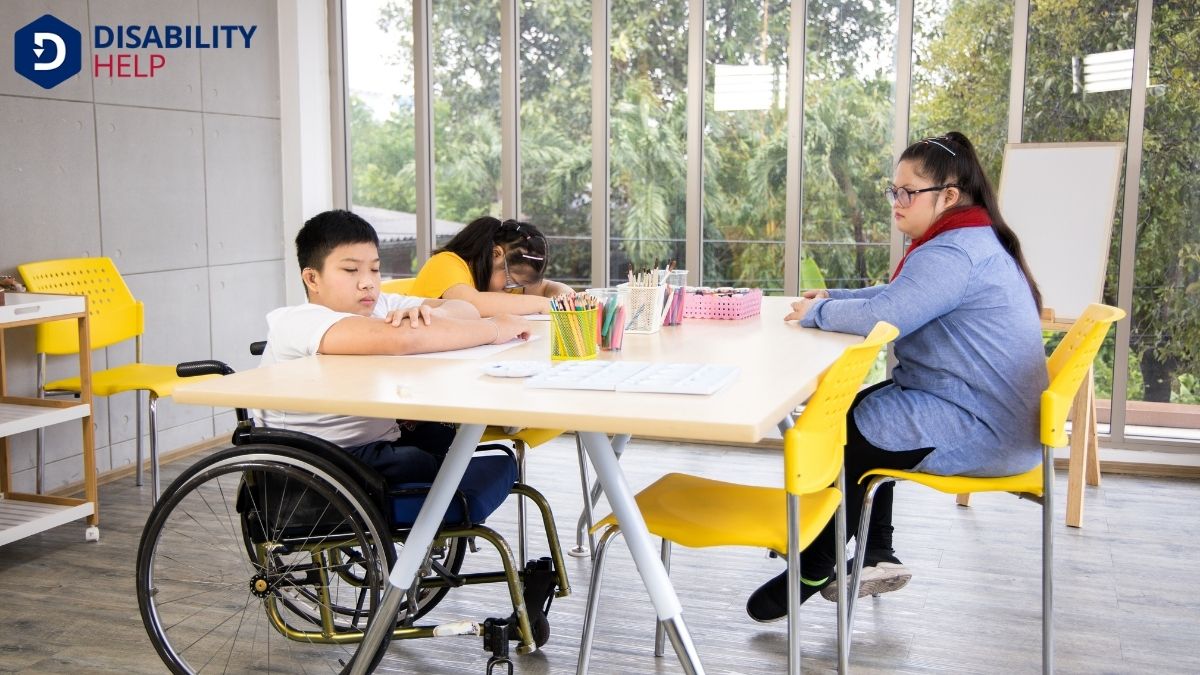
Steering through the world of education can be particularly challenging for those experiencing mental distress and disabilities.
We encounter numerous barriers that can hinder learning and growth. It’s crucial to understand these challenges to foster inclusivity and support.
- Lack of Accessibility: Many educational institutions aren't equipped with necessary accommodationsModifications or adjustments in healthcare settings to support patients with disabilities., making it difficult for us to fully participate.
- Inadequate Support: There often aren't enough resources or trained staff to provide the assistance we need.
- Social IsolationThe condition of being separated from other individuals, often experienced by people with disabiliti...: We might feel excluded from peer activities, leading to further emotional distress.
- Stigmatization: Misunderstanding and stereotypes can create a hostile learning environment, impacting our mental well-being.
Healthcare Access and Quality
Steering through educational environments with mental distress and disabilities highlights a broader issue we face: the need for equitable healthcare access and quality.
When we seek medical assistance, the disparities become glaring. Some of us find it challenging to access facilities that accommodate our needs. Others encounter healthcare providers who lack understanding or training in disability-specific issues. This can lead to misdiagnosis or inadequate treatment, exacerbating mental distress.
We must advocate for healthcare systems that recognize our unique challenges and provide thorough, compassionate care.
Improvements in provider education, facility accessibility, and policy reforms are essential. By addressing these issues head-on, we can guarantee everyone receives the quality care they deserve, ultimately reducing the mental distress prevalent in our community.
Coping Strategies and Resilience
When facing mental distress and disabilities, developing effective coping strategies and building resilienceThe ability of individuals with disabilities to cope with and adapt to challenges and adversity. becomes essential.
We need to find ways to navigate the challenges and uncertainties that arise. It’s vital to adopt approaches that empower us and foster a supportive environment.
Let’s consider practical strategies:
- Cultivate a Support Network: Surround ourselves with people who understand and uplift us.
- Practice Mindfulness: Engage in activities that promote relaxation and focus, helping manage stress.
- Set Realistic Goals: Break tasks into manageable steps, which can boost our confidence and motivation.
- Embrace Self-Compassion: Treat ourselves with kindness, recognizing that setbacks are part of the journey.
Conclusion
In addressing the mental distress experienced by people with disabilities, we must recognize the interconnected challenges they face, from physical barriers to societal discrimination. Let’s work to create inclusive environments that remove these obstacles, ensuring everyone has access to quality healthcare, education, and employment opportunities. By fostering supportive communities and advocating for policy changes, we can promote resilience and well-being. Together, we can build a world where individuals with disabilities feel valued, included, and empowered.