As we explore the mental health and well-being challenges disabled individuals face, we'll uncover how societal stigmaThe negative attitudes and discrimination faced by individuals with disabilities due to societal ste..., isolation, and barriers to accessible healthcare contribute to stress, anxiety, and depressionA mental health condition marked by persistent feelings of sadness and loss of interest.. These challenges often intertwine with financial insecurity and chronic painLong-lasting pain that persists beyond the usual recovery period or occurs along with a chronic heal..., creating a complex web of difficulties. Let's consider how these factors play into daily life and the strategies we can adopt to promote resilienceThe ability of individuals with disabilities to cope with and adapt to challenges and adversity. and improve overall well-being.
Key Takeaways
- Stigma and societal misconceptions contribute significantly to stress, anxiety, and depression among disabled individuals.
- AccessibilityThe design of products, devices, services, or environments to be usable by people with disabilities.... barriers in the environment lead to feelings of isolation and disconnection.
- Higher unemployment rates result in financial insecurity, impacting mental well-being.
- Frequent medical appointments and transportation challenges cause chronic stress and fatigue.
- Physical and mental health challenges often exacerbate each other, creating a cycle of distress.
The Impact of Societal Stigma on Mental Health
Although societal progress is ongoing, the stigma surrounding disabilities still profoundly affects mental health. We often find ourselves battling assumptions and misconceptions that can lead to isolation and self-doubt.
Society’s tendency to define us by our limitations rather than our potential fosters an environment where stress, anxiety, and depression can flourish.
When people view disabilities through a narrow lens, it can feel like our worth is constantly in question, fueling a sense of inadequacy and burnout.
We need to challenge these biases by promoting understanding and inclusivity. It's essential to foster environments where all individuals feel valued and supported.
Together, we can dismantle stigma, creating a space where mental well-being is prioritized and everyone can thrive without fear of judgment.
Navigating Barriers to Accessible Healthcare
Let's talk about the hurdles we face in accessing the healthcare we need.
Many of us struggle with transportation issues that make it tough to reach appointments, while others encounter providers who lack awareness of our specific needs.
Overcoming Transportation Challenges
Accessing healthcare can often feel like maneuvering through a complex maze, especially for those of us with disabilities facing transportation challenges.
Reliable and accessible transportation isn’t always available, leaving us struggling to attend essential appointments. Public transport often lacks the necessary accommodationsModifications or adjustments in healthcare settings to support patients with disabilities., and private options can be expensive or unreliable.
We need to plan meticulously, considering distance, time, and available services to guarantee we reach our destinations.
Cancellations or delays can lead to missed appointments, increasing stress and anxiety. It's not just about getting from point A to B; it's about maintaining our health and independence.
Communities need to understand these barriers and advocate for improved accessible transportation solutions, ensuring all of us can access the care we need.
Addressing Provider Awareness Gaps
While we've made strides in healthcare accessibility, one significant hurdle remains: provider awareness gaps. These gaps often lead to inadequate mental health support for disabled people.
To bridge this divide, we must focus on a few key areas:
- Education and Training: Providers need ongoing education about disability-specific mental health challenges.
- Inclusive Communication: Ensuring effective communication methods are used, such as sign language interpreters.
- Cultural Competence: Understanding the diverse needs of disabled individuals, including the intersectionalityThe theory that various forms of social stratification, such as race, gender, and disability, do not... of identities.
- Feedback Mechanisms: Implementing systems for continuous feedback from disabled patients to improve services.
The Role of Isolation and Loneliness
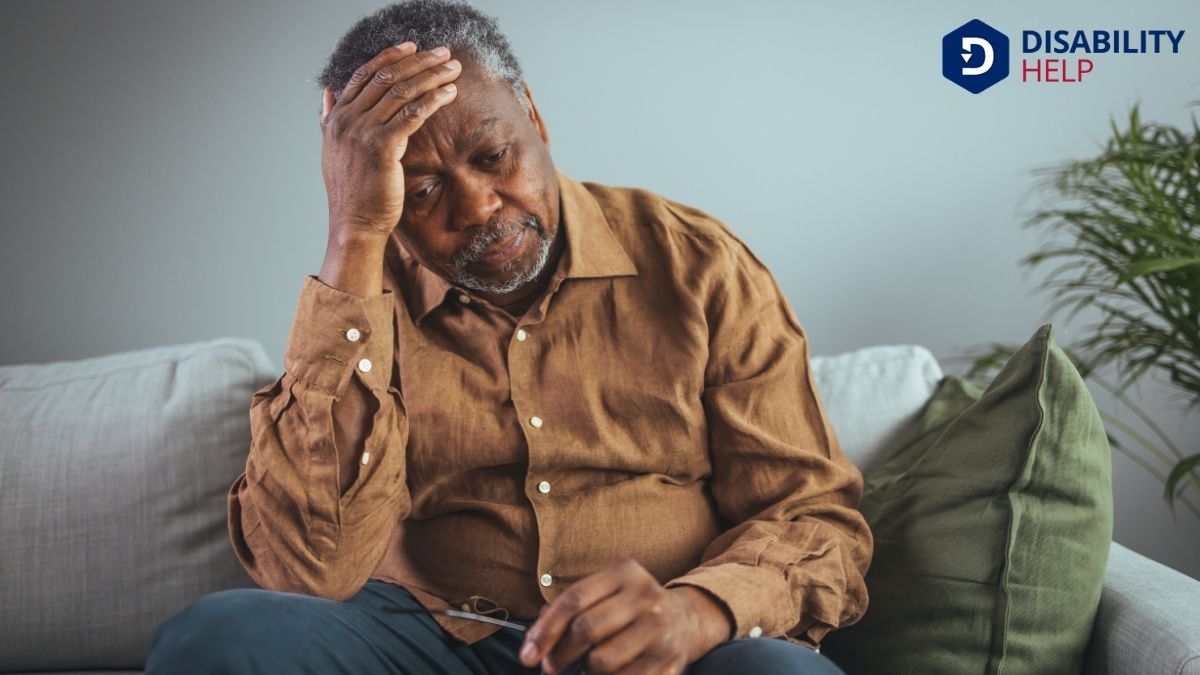
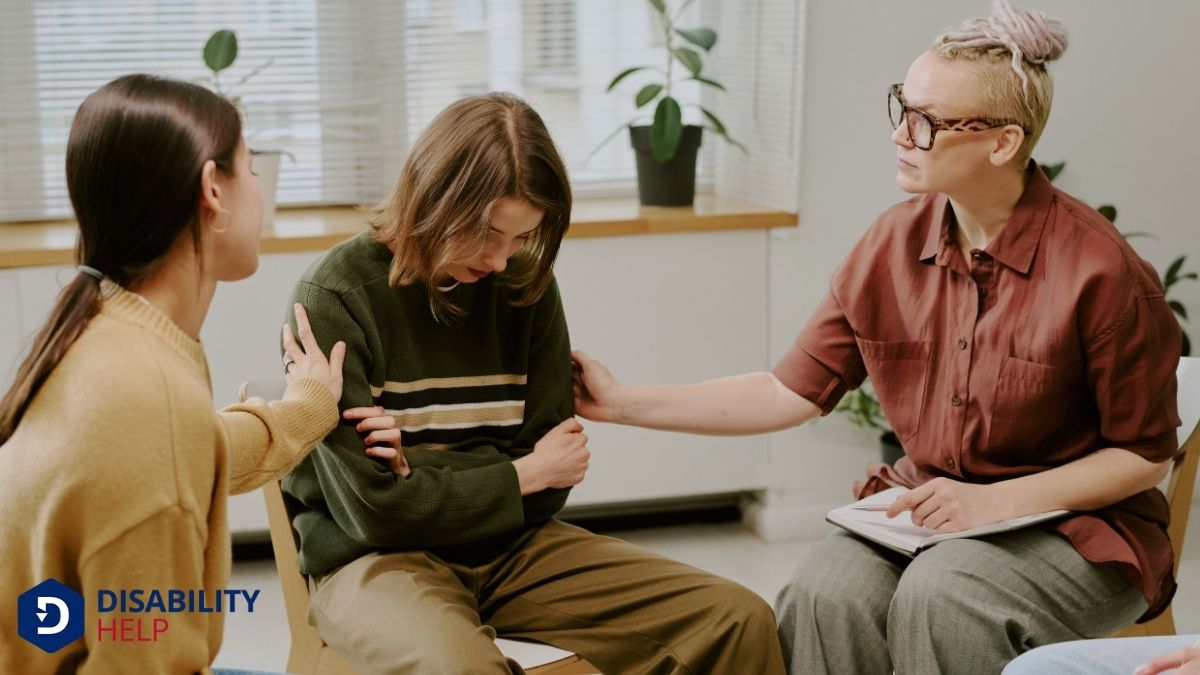
Isolation and loneliness often amplify the mental health challenges faced by disabled individuals. When we feel disconnected, our stress, anxiety, and depression can worsen.
Sometimes, barriers in the physical environment or societal attitudes make it harder for us to engage with our communities. This isolation isn't just about physical distance; it's also about feeling unseen and unheard.
We must recognize the importance of building connections. Simple gestures, like reaching out to a friend or joining a supportive online group, can make a big difference.
We can help foster a sense of belonging by advocating for inclusivity and understanding. Remember, it's essential to acknowledge these feelings and seek support when needed.
Together, we can create a more connected and understanding world.
Coping With Chronic Pain and Fatigue
Building connections can be challenging when chronic pain and fatigue weigh heavily on us.
It’s hard to engage with others or even ourselves when our bodies demand rest and relief. Finding ways to cope with these struggles is vital, and we must explore effective strategies that can make a difference:
- Mindful Breathing: A few moments of focused breathing can help us center our thoughts and manage discomfort.
- Gentle Movement: Simple stretches or short walks, if possible, can invigorate our spirits and ease tension.
- Restorative Sleep: Prioritizing rest and creating a calming bedtime routine can improve our energy levels.
- Creative Expression: Activities like journaling or art can provide an emotional outlet and distraction from pain.
We’re not alone in this journey, and together, we can find ways to thrive.
Stress and Anxiety From Daily Challenges
Stress and anxiety are daily companions for many of us as we navigate accessibility barriers, manage social interactions, and cope with health fluctuations.
These challenges can feel overwhelming, affecting our mental well-being and daily lives. By understanding and addressing these stressors, we can work towards creating a more supportive environment for everyone.
Navigating Accessibility Barriers
While facing daily challenges, many of us with disabilities encounter significant stress and anxiety due to accessibility barriers.
These barriers can transform routine tasks into intimidating endeavors, leaving us feeling overwhelmed.
Imagine the constant pressure and exhaustion from hurdles like:
- Public Transportation: Limited accessible transport options can lead to isolation or missed opportunities.
- Built Environment: Inadequate ramps, elevators, or signage can make maneuvering stressful.
- Digital Access: Websites and apps without proper accessibility features can exclude us from information and services.
- Healthcare Access: Traversing medical facilities without suitable accommodations can exacerbate health issues.
These barriers not only challenge our physical capabilities but also take a toll on our mental health.
We must advocate for improvements, ensuring our environments support our well-being and reduce the daily strain we face.
Managing Social Interactions
Accessibility barriers often spill over into our social lives, creating stress and anxiety. When we face physical or communication hurdles, it can feel isolating, impacting how we connect with others.
Imagine attending a gathering where the venue isn’t accessible or conversations move too fast for us to follow. These experiences can make us hesitant to participate in social activities, fearing embarrassment or exclusion.
We might also struggle with others' misconceptions or lack of understanding about our disabilities. This can lead to uncomfortable interactions or even avoidance.
Our social circles may not always grasp the nuances of our daily experiences, leading to feelings of being misunderstood or overlooked. It's essential that we address these challenges to foster genuine connections and reduce anxiety in our social lives.
Coping With Health Fluctuations
Steering through the ups and downs of our health can be particularly challenging as fluctuations often bring uncertainty and stress.
It's essential we find ways to manage the accompanying anxiety. Understanding these fluctuations helps us regain a sense of control and reduce the emotional toll. Knowing we're not alone in this journey can also be comforting.
Here are some ways to cope:
- Mindfulness practices: Focus on the present to alleviate stress.
- Consistent routines: Establish routines to create stability amidst change.
- Support networks: Connect with others who understand our experiences.
- Flexible planning: AdaptA grassroots disability rights organization in the U.S. that focuses on promoting community-based se... plans to accommodate our current health state.
The Burden of Unemployment and Financial Insecurity
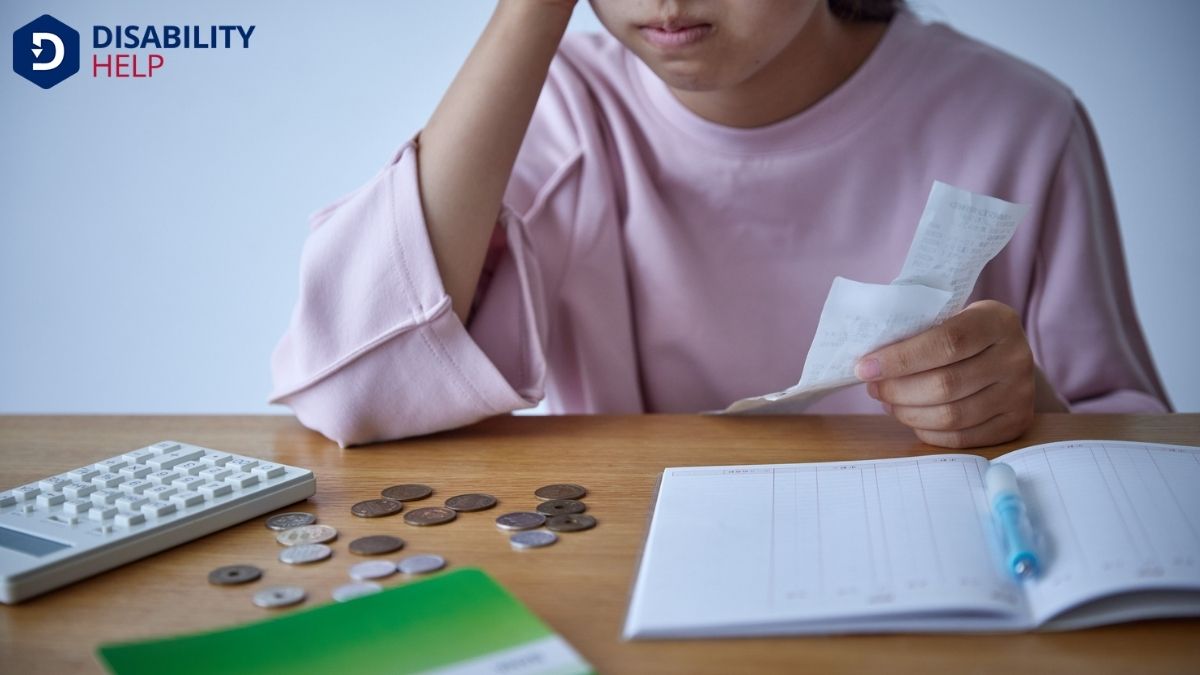
Maneuvering the job market can be intimidating for anyone, but for disabled individuals, the challenges are even more pronounced due to systemic barriers and discrimination.
We often face higher unemployment rates, and finding accessible, accommodating work environments feels like an uphill battle. Despite having skills and qualifications, many of us encounter biases that make securing stable employment difficult.
This struggle leads to financial insecurity, which can contribute to chronic stress and anxiety. When we’re worried about making ends meet, our mental wellbeing suffers.
The fear of losing benefits or not being able to afford necessary care compounds these pressures. It’s a cycle that can be hard to break, affecting not just our finances, but our sense of self-worth and security.
The Interplay Between Physical and Mental Health
While physical health challenges are often visible and more readily addressed, the mental health aspects frequently remain in the shadows, yet they're deeply intertwined.
We must understand this connection because it affects our overall wellbeing. When we face both physical and mental health challenges, they can exacerbate each other, leading to a complex cycle that's hard to break.
Here are some ways these challenges interplay:
- Chronic pain can lead to depression, impacting our motivation and mood.
- Limited mobility might increase feelings of isolation and anxiety.
- Frequent medical appointments can cause stress and fatigue.
- Stigma around disabilities can worsen our self-esteem and mental health.
Recognizing these links helps us better support each other and ourselves through empathyThe ability to understand and share the feelings of another, particularly important in understanding... and understanding.
Strategies for Promoting Wellbeing and Resilience
Although facing mental health challenges can be intimidating, there are effective strategies we can adopt to promote well-being and resilience.
First, let's prioritize self-care. This means creating routines that include regular exercise, balanced nutrition, and sufficient rest. Engaging in activities we enjoy can also boost our mood and energy levels.
Building a strong support network is essential. We should reach out to friends, family, or support groups to share experiences and seek encouragement.
Practicing mindfulness techniques, such as meditation or deep-breathing exercises, can help manage stress and enhance emotional regulation.
Additionally, setting realistic goals and celebrating small victories can foster a sense of achievement and purpose.
Conclusion
We face significant challenges, but let’s not forget that resilience and support can make a difference. By acknowledging societal stigma, improving healthcare access, and fostering inclusive communities, we can mitigate stress, anxiety, and depression. It’s vital to address unemployment and financial insecurity, while also recognizing the connection between physical and mental health. Together, we can advocate for change, build strong support networks, and create a world where disabled individuals thrive with dignity and wellbeing.