
You might be curious if buying a house through HUD is a viable option for you. HUD homes present a unique opportunity, but maneuvering the eligibility requirements and purchasing process can be a bit intimidating. With potential benefits such as lower market value, it's worth exploring further. However, understanding the financing options and potential challenges involved is essential. Are you ready to discover how HUD homes might fit into your homeownership journey?
Key Takeaways
- To buy a HUD home, you must meet eligibility requirements and use a HUD-registered real estate agent.
- HUD homes are available to both owner-occupants and investors, with priority given to owner-occupants.
- Properties are sold "as-is," requiring buyers to plan for any necessary repairs or updates.
- A variety of financing options, including FHA loans, can assist in purchasing HUD homes.
- The HUD Home Store website is the primary platform to search and submit bids for available properties.
Understanding HUD Homes
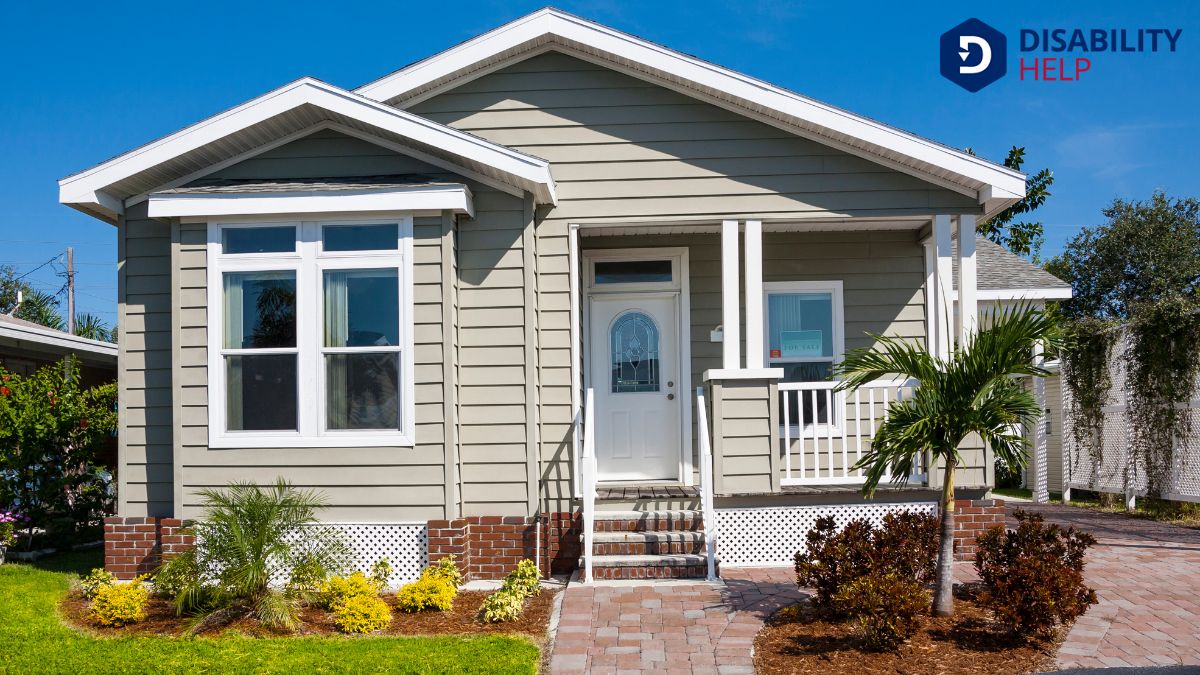
When you’re delving into the world of real estate, understanding HUD homes can be crucial. HUD homes are properties acquired by the U.S. Department of Housing and Urban Development after a foreclosure on an FHA-insured mortgage. These homes are then made available for sale to recover the financial loss from the foreclosure.
As a potential buyer, you should know that HUD homes are sold "as-is," meaning what you see is what you get—no repairs or warranties. It's important to conduct thorough research and perhaps hire a professional for a home inspection.
Also, remember that HUD homes are listed on a specific website, and you’ll need a HUD-registered real estate agent to submit your bid. This process guarantees transparency and fairness.
Benefits of Purchasing a HUD Home
Although buying a home can often feel overwhelming, there are notable benefits to purchasing a HUD home. First, HUD homes are usually priced below market value, making them an affordable option.
You’ll find that these properties often come with a reduced down payment requirement, which can be a huge relief financially. Additionally, HUD homes are available in various locations and types, giving you a wide range of options to suit your needs.
Another benefit is the exclusive bidding period for owner-occupants, which means you face less competition from investors. This increases your chances of securing a property.
Plus, HUD may offer special programs and incentives, like assistance with closing costs, making the purchase process smoother. Ultimately, buying a HUD home can be a smart financial decision.
Eligibility Requirements for HUD Properties
To purchase a HUD property, you must meet specific eligibility requirements designed to guarantee fair and equitable access. First, you need a valid Social Security number and proof of U.S. citizenship or eligible immigration status.
HUD homes are typically offered to owner-occupants first, so you should plan to live in the home as your primary residence. Investors can also purchase HUD properties, but they’re usually considered after owner-occupants.
Make certain you're financially prepared, as you’ll need pre-approval for a mortgage or proof of funds for a cash purchase. Additionally, you can't be banned from participating in HUD programs.
HUD aims to ascertain that the home-buying process is fair, so adhering to these requirements is essential for a successful purchase.
The HUD Home Buying Process
Meeting the eligibility requirements is just the beginning of your journey to purchasing a HUD home.
Once you're eligible, it's time to explore the HUD Home Store website. Here, you can search for available properties in your desired area. Pay attention to the listing period, as bids are only accepted during this time.
If you see a home you like, contact a HUD-approved real estate agent to help you with the bidding process. Your agent will submit your bid online, and if it's accepted, congratulations—you've won the opportunity to purchase the home!
Next, you’ll sign a purchase contract and submit earnest money to secure the deal. Be ready for a home inspection to identify any potential issues.
Once everything checks out, you're on your way to closing.
Financing Options for HUD Homes
When you're ready to finance your HUD home purchase, it’s essential to understand the available options to make an informed choice.
You can explore FHA loans, which are popular for their lower credit score requirements and smaller down payments. These loans are specifically designed to help buyers like you purchase HUD homes affordably.
Another option is a conventional mortgage, which might offer better terms if your credit score is strong. Keep in mind, though, that these typically require a higher down payment.
If you’re a veteran, a VA loan could be a fantastic route, as it often requires no down payment.
Lastly, consider talking to a HUD-approved lender. They can provide personalized advice and guide you through the process efficiently.
Potential Challenges and Considerations
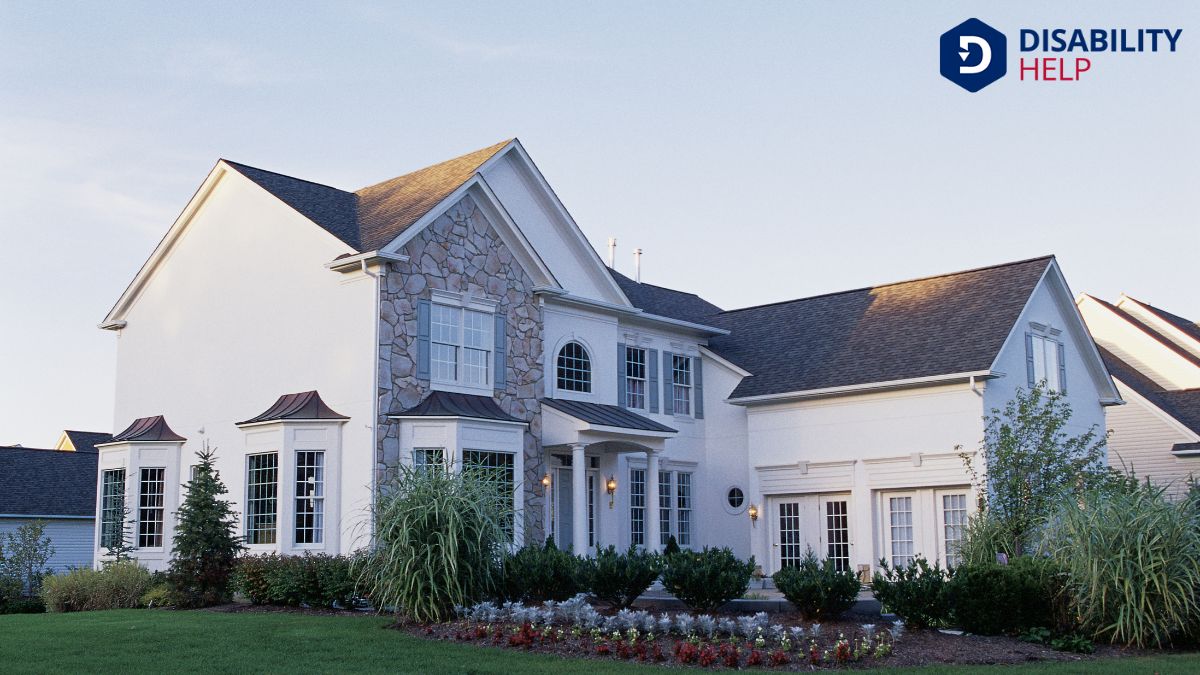
Although purchasing a HUD home can be an affordable option, it comes with its own set of challenges and considerations.
First, these properties are sold "as-is," meaning you’re responsible for any needed repairs or updates. It's essential to budget for potential repairs.
Second, the bidding process can be competitive. You might face multiple offers, especially if the home is in a desirable location.
Also, the timeline can be unpredictable. HUD homes can take longer to close due to government processes and requirements.
Finally, you’ll need to thoroughly review the HUD home store website and understand all terms and conditions before submitting an offer.
Being aware of these factors helps you make informed decisions and avoid potential pitfalls.
Conclusion
Buying a HUD home can be a smart move if you meet the eligibility criteria. You'll enjoy benefits like potentially lower prices and the chance to buy before investors. It's essential to work with a HUD-approved real estate agent to guide you through the process and help you submit your bid. Keep financing options and potential challenges in mind, and you'll be better prepared to navigate the HUD home-buying journey successfully.