
When we're talking about personal injury compensation, we realize there's no one-size-fits-all answer. The amount varies greatly due to factors like injury severity, medical costs, and lost wages. It's vital to understand how these elements, along with evidence and fault, play into the final settlement. Ever wondered how insurance companies impact this process or why legal help might be essential? Let's uncover the complexities of determining fair compensation.
Key Takeaways
- Personal injury compensation amounts depend on injury severity, fault clarity, and jurisdictional laws.
- Medical expenses and documented evidence significantly impact personal injury claim valuations.
- Pain and suffering are quantified by emotional distress, physical impact, and long-term effects.
- Legal representationThe way people with disabilities are depicted in media, culture, and politics, often influencing pub... and negotiation skills are crucial for maximizing compensation claims.
- Compensation timelines vary based on case complexity, liability disputes, and party cooperation.
Understanding the Basics of Personal Injury Compensation
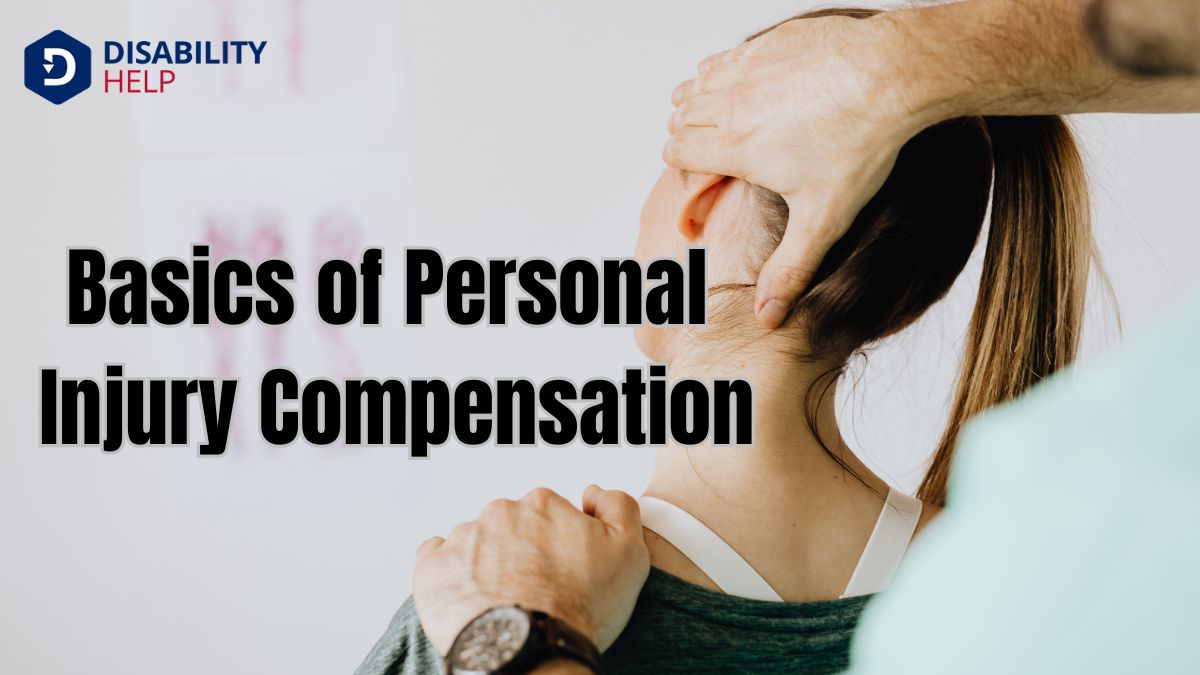
How do we navigate the often complex world of personal injury compensation? First, we need to understand its basic components.
Personal injury compensation serves to reimburse us for losses due to injuries from accidents like car crashes or slip-and-fall incidents. We're entitled to seek compensation for medical expenses, lost wages, and pain and suffering.
To start this process, we typically need to file a claim with the responsible party's insurance company. Gathering evidence, such as medical records and accident reports, strengthens our case.
It's vital to act promptly because there are time limits, known as statutes of limitations, that restrict when we can file a claim. By understanding these fundamentals, we can better approach the journey toward fair compensation.
Factors That Affect Compensation Amounts
While understanding the basics of personal injury compensation lays the groundwork, the actual compensation amounts can vary widely due to several influencing factors.
First, the severity of the injury plays an essential role. More severe injuries generally lead to higher compensation because they often require longer recovery times and may result in lasting impacts.
Next, the clarity of the fault determines how much responsibility each party holds. When the fault is clear, it’s easier to negotiate compensation.
Additionally, loss of income is a significant factor. If injuries prevent us from working, lost wages are considered in the compensation.
Finally, the jurisdiction where the claim is filed can also affect the amount, as different regions have varying laws and precedents for personal injury cases.
The Role of Medical Expenses in Determining Compensation
Medical expenses play an essential role in determining personal injury compensation, as they directly reflect the financial impact of an injury on our lives.
When we face injuries, the costs of hospital stays, surgeries, medications, and ongoing treatments can add up quickly. These expenses form a significant part of our compensation claim, ensuring we’re reimbursed for the money we've already spent or will need for future care.
Insurance companies and courts often use medical bills as a clear indicator of the injury's severity. By documenting every medical bill and treatment, we strengthen our claim.
This thorough record helps build a case that accurately reflects our financial burden, ensuring we receive fair compensation for our injuries and the medical care required.
Calculating Lost Wages and Future Earnings
Determining lost wages and future earnings is a critical component in personal injury compensation claims. We need to take into account both the income we've already lost and what we might lose in the future due to our injury.
First, we'll look at pay stubs, tax returns, or employer statements to calculate lost wages. This shows how much income we've missed during our recovery period.
Next, we estimate future earnings by weighing factors like age, occupation, and career trajectory. If our injury affects our ability to work or forces a career change, this could impact future earnings.
We might also need expert opinions, such as from vocational experts or economists, to support our claims. Understanding these elements helps guarantee we receive fair compensation for our losses.
Evaluating Pain and Suffering in a Personal Injury Claim
When we're evaluating pain and suffering in a personal injury claim, we need to take into account both emotional distress and the physical impact on the injured party.
Calculating emotional distress involves examining how the injury has disrupted daily life and mental well-being.
At the same time, quantifying the physical impact requires evaluating the severity of injuries and their long-term effects.
Calculating Emotional Distress
How do we put a price on emotional distress? It's a challenging task because emotional pain isn't as visible as a broken bone.
Yet, it's vital in personal injury claims. We can evaluate emotional distress by considering the following factors:
- Intensity of distress: How severe is the emotional impact? For instance, anxiety or depressionA mental health condition marked by persistent feelings of sadness and loss of interest. might've varying depths.
- Duration of suffering: Has the distress persisted over a long period, impacting daily life consistently?
- Impact on relationships: Has the emotional strain affected personal relationships and social interactions?
- Professional evaluations: Psychological assessments and expert testimonies can provide valuable insights.
Quantifying Physical Impact
Evaluating the physical impact of a personal injury is vital in determining fair compensation for pain and suffering.
We need to take into account not just the immediate physical injuries, but also how they affect daily life and future well-being.
Let’s reflect on how limited mobility or chronic painLong-lasting pain that persists beyond the usual recovery period or occurs along with a chronic heal... might change someone’s ability to work, enjoy hobbies, or even perform simple daily tasks. These factors play a big role in personal injury claims.
We use medical records, expert testimonies, and personal accounts to create a complete picture of the injury’s impact.
By doing so, we can guarantee compensation reflects the true extent of suffering.
It’s not just about the visible injuries; it’s about understanding the thorough physical toll these injuries take on a person’s life.
The Impact of Liability and Negligence on Compensation
As we explore the intricacies of personal injury compensation, it's essential to understand how liability and negligenceA legal concept where a party fails to exercise reasonable care, resulting in harm to another person... play pivotal roles in determining the outcome.
When establishing a case, we must consider who's at fault and the extent of their negligence. These factors greatly influence the compensation amount.
Let's break this down further:
- Liability: Determining who's responsible for the injury is the first step. The more evidence against a party, the higher their liability.
- Negligence: Evaluating if the responsible party failed to exercise reasonable care is fundamental.
- Comparative Fault: Sometimes, both parties share responsibility, affecting the compensation.
- Proving Negligence: Strong evidence is essential to prove negligence and secure fair compensation.
Understanding these elements helps us navigate personal injury claims effectively.
How Insurance Companies Influence Compensation
When dealing with personal injury claims, insurance companies often have a significant impact on compensation outcomes. They assess claims using their own criteria, often aiming to minimize payouts.
We might find that their adjusters scrutinize every detail of the incident, from medical records to witness statements, to challenge our claims. Their goal is to protect their bottom line, sometimes offering settlements that don't fully cover our losses.
We need to understand that insurance companies have vast resources and experience in negotiating claims. They may use tactics that leverage our lack of knowledge about fair compensation.
It's essential to stay informed and assertive when communicating with them. By knowing their influence, we can better navigate the process and aim for fair compensation.
The Importance of Legal Representation in Maximizing Compensation
When pursuing personal injury compensation, we must recognize the critical role legal representation plays in enhancing our outcomes.
Skilled attorneys bring expert negotiation skills, a thorough understanding of legal procedures, and strategic evidence gathering to our cases.
Expert Negotiation Skills
Steering through the complex landscape of personal injury claims can be intimidating, which is why expert negotiation skills are essential in securing the compensation you deserve.
We must appreciate the art of negotiation as it involves strategic communication and persuasion. Our legal representatives know how to present our case effectively, ensuring that every aspect of our injury is accounted for in the settlement.
Here are key elements of expert negotiation skills:
- Understanding the Value: Accurately evaluating the worth of our claim.
- Effective Communication: Clearly articulating our needs and expectations.
- Strategic Planning: Crafting a negotiation strategy that anticipates counterarguments.
- Patience and Persistence: Staying the course until a fair agreement is reached.
Understanding Legal Procedures
Steering through the intricate legal procedures surrounding personal injury claims can be intimidating, yet it's vital in maximizing our compensation.
Understanding these processes guarantees we don't overlook critical steps. That's where legal representation becomes invaluable.
Lawyers know the ins and outs of the legal system, ensuring we adhere to deadlines and correctly file documents. They also advocate for us, negotiating with insurance companies and opposing parties.
Evidence Gathering Strategy
Charting legal procedures highlights the significance of a robust evidence-gathering strategy.
We understand firsthand that solid evidence can greatly impact the compensation we might receive in a personal injury case. It’s essential to equip ourselves with an all-encompassing plan to collect and present evidence effectively.
Let’s explore some key components of this strategy:
- Photographs and Videos: Capture the scene, injuries, and damages immediately.
- Witness Statements: Obtain contact information and detailed accounts from any witnesses.
- Medical Records: Keep thorough documentation of all medical treatments and diagnoses.
- Expert Testimonies: Consider involving professionals to validate claims and explain technical details.
The Time Factor: How Long It Takes to Receive Compensation
When it comes to receiving compensation for personal injury, the timeline can vary greatly, and understanding these variations is essential for setting realistic expectations.
We might wonder why some cases resolve quickly while others drag on. Several factors influence this process. The complexity of the case plays a significant role; straightforward cases typically settle faster than those with intricate details.
The cooperation between parties involved can either expedite or delay proceedings. If we face disputes over liability or the extent of injuries, expect longer timelines. Additionally, court schedules and the negotiation process affect timing.
While waiting can be frustrating, patience and preparation can help us navigate these unpredictable waters. It’s vital to remain informed and proactive throughout the journey.
Exploring Case Studies: Real-Life Examples of Personal Injury Compensation
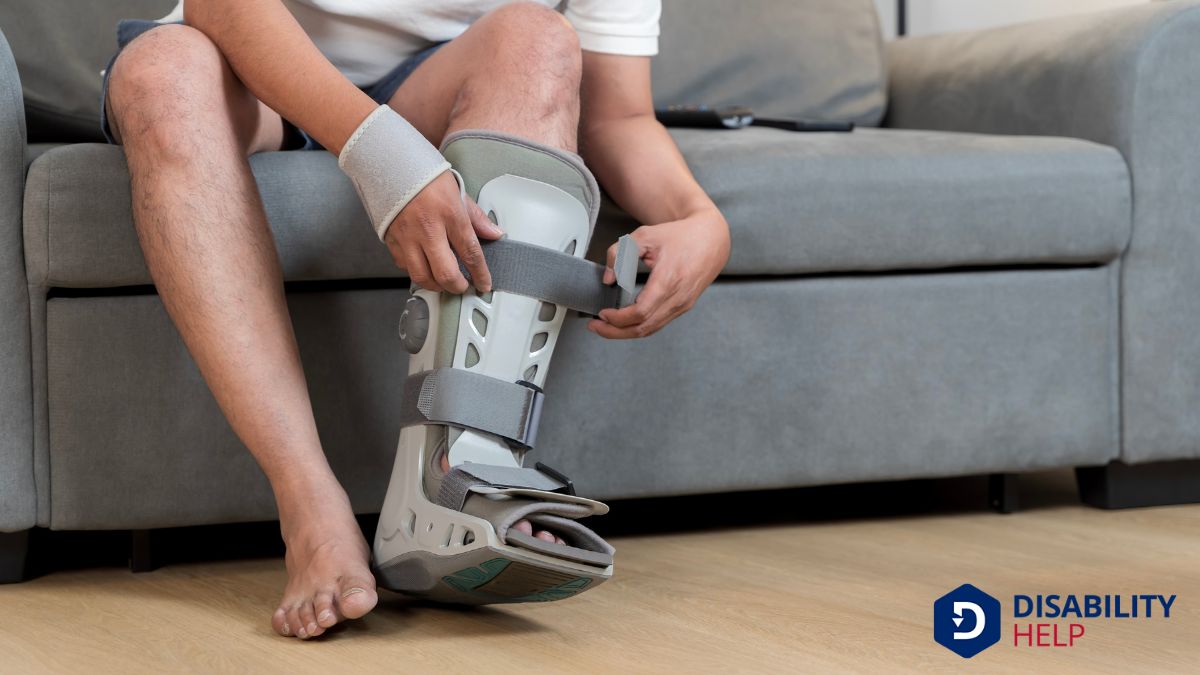
Having understood the factors influencing the timeline for receiving personal injury compensation, let's take a closer look at real-life examples to illuminate the process.
These case studies provide insight into how different scenarios can affect compensation outcomes.
- Slip and Fall at Work: In one instance, a worker received a $50,000 settlement after a fall due to a wet floor with no warning signs. The case resolved in six months.
- Car Accident: A driver injured in a rear-end collision successfully claimed $100,000 for medical expenses and lost wages. The resolution took about a year.
- Medical Malpractice: A patient won $500,000 after surgical errors led to long-term complications, with the case taking over two years.
- Product Liability: A consumer received $75,000 for injuries from a defective product, settled in nine months.
Conclusion
In our exploration of personal injury compensation, we've seen how various factors shape the final settlement. From medical expenses and lost wages to the critical role of evidence and legal representation, each element plays a part in ensuring fair compensation. Remember, insurance companies and jurisdictional nuances also influence outcomes. By understanding these aspects, we can better navigate the complexities of personal injury claims and work towards achieving a just resolution for those affected.