
Let's talk about the red flags that can pop up on a disability update report. We're all about understanding these potential pitfalls, from inconsistencies in medical records to unexpected improvements in one's condition. When daily activities shift or recent medical treatments are missing, it might set off alarms. Income changes, like a new part-time job, can also complicate things. Curious about how these factors could impact your benefits?
Key Takeaways
- Discrepancies or inconsistencies in medical records may indicate overstated condition severity.
- Gaps in treatment records can suggest condition improvement or non-compliance with medical advice.
- Incomplete or missing information in reports can delay processing or lead to adverse decisions.
- Unreported employment changes, including new jobs or income variations, may affect benefit eligibility.
- Lack of transparency in reporting can prompt investigations and jeopardize continued benefit support.
Inconsistencies in Medical Records
When reviewing a Disability Update Report, inconsistencies in medical records can raise significant concerns. We need to guarantee that our medical documentation aligns with the information provided in our disability report.
Any discrepancies might suggest to reviewers that our condition isn't as severe as reported, which can jeopardize our benefits. It's vital that our medical history accurately reflects our current health status and the progression of our condition.
We should regularly check our records for potential errors or omissions. Clear communication with our healthcare providers helps maintain consistency.
Let's remember, even minor inconsistencies, like different dates for the same medical appointment, can be red flags. By proactively addressing these issues, we help guarantee our report accurately represents our situation, safeguarding our benefits.
Changes in Daily Living Activities
While evaluating a Disability Update Report, noticing changes in our daily living activities can be vital.
We need to be vigilant about how these changes might signal a shift in our condition. If we find ourselves struggling more with tasks we previously managed, it could indicate a worsening of our disability. Conversely, if we report improvements, it might suggest our condition has stabilized or even improved.
It’s important to be honest and precise about our capabilities. For instance, if we suddenly can't complete tasks like dressing or cooking without help, it’s essential to document this accurately.
Such details help provide a clearer picture of our current situation, ensuring that the report reflects our true daily experiences and needs.
Lack of Recent Medical Treatment

When we notice gaps in medical records, it raises questions about treatment consistency and commitment to managing one's condition.
These gaps can create concerns that might impact the decision regarding disability benefitsFinancial assistance provided to individuals who are unable to work due to a disability, such as Soc....
It's essential for us to guarantee our medical treatment is consistent and well-documented to avoid any misunderstandings.
Gaps in Medical Records
Identifying gaps in medical records often raises concerns, especially if there's a lack of recent medical treatment. When reviewing a disability update report, we need to guarantee our records accurately reflect our ongoing medical needs.
Without recent documentation, it might appear as if our condition has improved or that we no longer require consistent care. This can lead to misunderstandings with the agencies responsible for evaluating our disability status.
We should endeavor to maintain a thorough record that captures every aspect of our medical journey. Regular appointments and treatments provide essential evidence of our condition's persistence.
Treatment Consistency Concerns
Even though we might think occasional gaps in treatment are harmless, they can actually raise significant concerns about the consistency of our medical care.
When evaluating our disability claims, reviewers look for regular treatment to understand our condition’s progression and severity. If there's a noticeable lack of recent medical treatment, it could suggest non-compliance or that our condition might've improved, even if that's not the case.
We understand that sometimes life circumstances or financial issues might cause us to miss appointments, but it's crucial to communicate this clearly.
Consistent medical documentation helps create a thorough picture of our health. By maintaining regular check-ins with healthcare providers and documenting any barriers to treatment, we can help guarantee our reports accurately reflect our ongoing needs.
Impact on Disability Decision
Our approach to treatment consistency directly influences how our disability claims are viewed, particularly when there's a lack of recent medical treatment.
When reviewing our Disability Update Report, decision-makers might see this as a red flag, questioning the severity or ongoing nature of our condition. They may wonder if our symptoms have improved or if we're not committed to treatment. Understandably, this can impact our disability decision negatively.
To mitigate this, we should guarantee our medical records are current and reflect any ongoing treatment.
If there are valid reasons for missing appointments, like financial constraints or transportation issues, it's vital to document them. Open communication with our healthcare providers and the disability office can help clarify our situation, maintaining our claim's validity.
Improvements in Condition
When we notice unexpected health improvements or reduced symptom severity in a disability update report, it can raise questions about the ongoing need for benefits.
It's essential that we carefully evaluate these changes to understand their impact on the disability status.
Let's explore how these improvements might affect our assessment process.
Unexpected Health Improvements
While reviewing a disability update report, it can be quite surprising to encounter unexpected health improvements in a claimant's condition.
When we notice these changes, it’s vital to approach them with curiosity and care. Such improvements might indicate that the treatment planA detailed plan developed by healthcare professionals to treat a specific health condition, outlinin... is effective, or perhaps the claimant is responding well to medication or therapy.
However, if these improvements seem sudden or unexplained, they could raise questions about the accuracy of the report or the claimant's current status.
Assessing these changes involves gathering additional information. We must verify if there's been any alteration in the treatment or lifestyle that justifies the improvement.
It’s important to maintain open communication with healthcare providers to confirm the updates accurately reflect the claimant's true condition.
Reduced Symptom Severity
As we explore the topic of reduced symptom severity in a claimant's condition, it’s vital to acknowledge the positive implications of such improvements. When symptoms lessen, our quality of life often improves, offering hope and new possibilities.
However, this can also raise questions during a disability review. Why? Because a noticeable reduction in symptoms might suggest that the condition is no longer as debilitating, potentially affecting continued disability benefits.
We must understand that while reduced symptoms can be a red flag, it doesn’t automatically mean benefits will stop. The Social Security Administration (SSA) carefully reviews medical evidence to assess whether these improvements translate into an increased ability to work.
It’s important for us to present a clear, thorough picture of any changes to guarantee fair evaluation.
Incomplete or Missing Information
Submitting a Disability Update Report with incomplete or missing information can raise red flags that might delay the review process or lead to unfavorable decisions.
When we fill out these reports, every detail matters. Missing sections or unanswered questions can signal to reviewers that we’re not providing the full picture. This can cause them to question the accuracy of the information we do provide, potentially complicating our case.
It’s essential to double-check that all required fields are completed before submitting the report.
Let’s verify we include accurate personal information, contact details, and any other requested documentation. By being thorough, we’ll convey our commitment to transparency and help the Social Security Administration evaluate our situation effectively.
This approach minimizes unnecessary complications during their review.
Employment or Income Changes
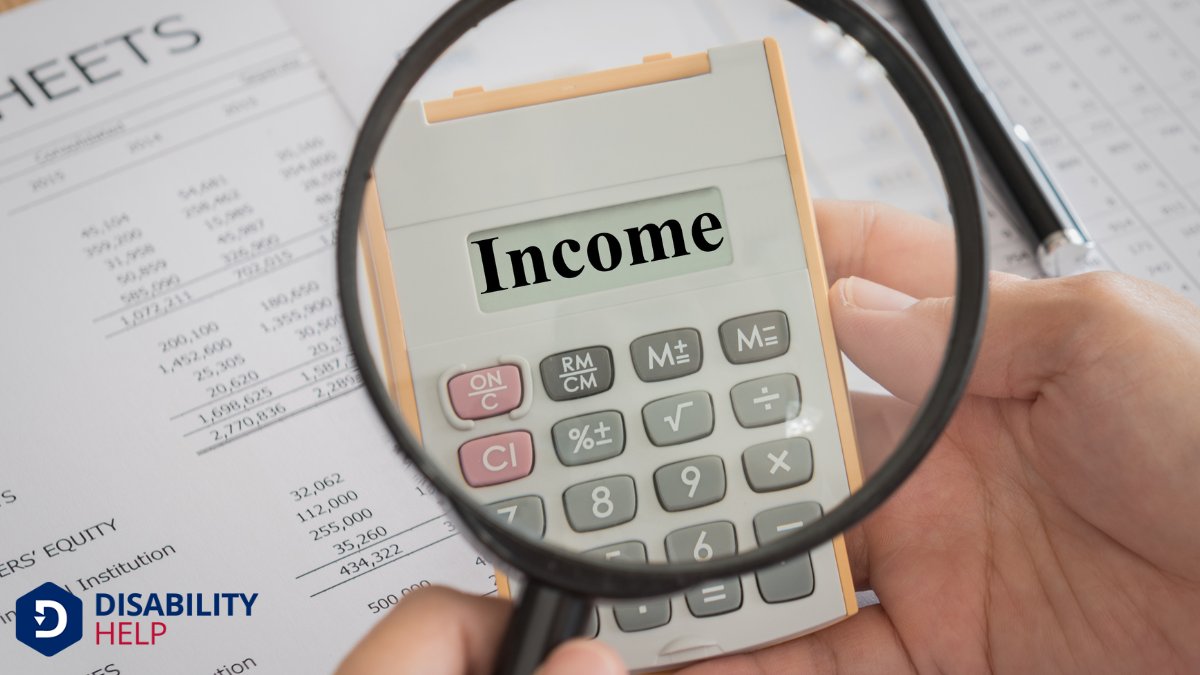
Another important aspect of the Disability Update Report involves any employment or income changes.
When we report these changes, it helps guarantee the accuracy of our disability benefits. Here’s what to keep in mind:
- Job Changes: If we've started a new job or left an existing one, it's essential to report this. Such changes can affect our eligibility.
- Income Fluctuations: Increases or decreases in wages or other income sources should be noted. This helps the Social Security Administration (SSA) assess our financial situation accurately.
- Self-Employment: If we're self-employed, any changes in our business income need reporting. It's as significant as changes in traditional employment.
- Unreported Work: Failing to report any work, even if part-time or temporary, could raise red flags and lead to benefit reviews.
Conclusion
In reviewing disability update reports, we must be vigilant for red flags like inconsistencies in medical records and changes in daily living activities. If there's a lack of recent treatment or unexpected improvements in condition, it raises questions. Let's not forget the importance of complete and accurate information—omissions or hiding employment changes can jeopardize eligibility. By focusing on transparency and accuracy, we can guarantee the integrity of the process and continued support for those truly in need.