
When you think about disability housing, terms like accessible housing, supported living, and adaptive housing might come to mind. But what do these really mean for those needing them? Accessible housing integrates universal designThe design of products, environments, and services to be usable by all people, to the greatest exten..., while supported living offers tailored support for independence. Each option aims to make life easier and more inclusive for individuals with disabilities. Curious about how these spaces create thriving communities? Let's explore the different approaches and their impact.
Key Takeaways
- Disability housing is often referred to as accessible housing, featuring design elements for ease of use by all abilities.
- Supported living arrangements cater to individuals with disabilities, offering varying levels of care and support.
- Assisted living provides daily activity support while encouraging independence for those with disabilities.
- Transitional housing offers temporary accommodationsModifications or adjustments in healthcare settings to support patients with disabilities. with specialized resources for individuals with disabilities.
- Customized housing solutions are tailored specifically to meet the unique needs of individuals with disabilities.
Understanding Accessible Housing
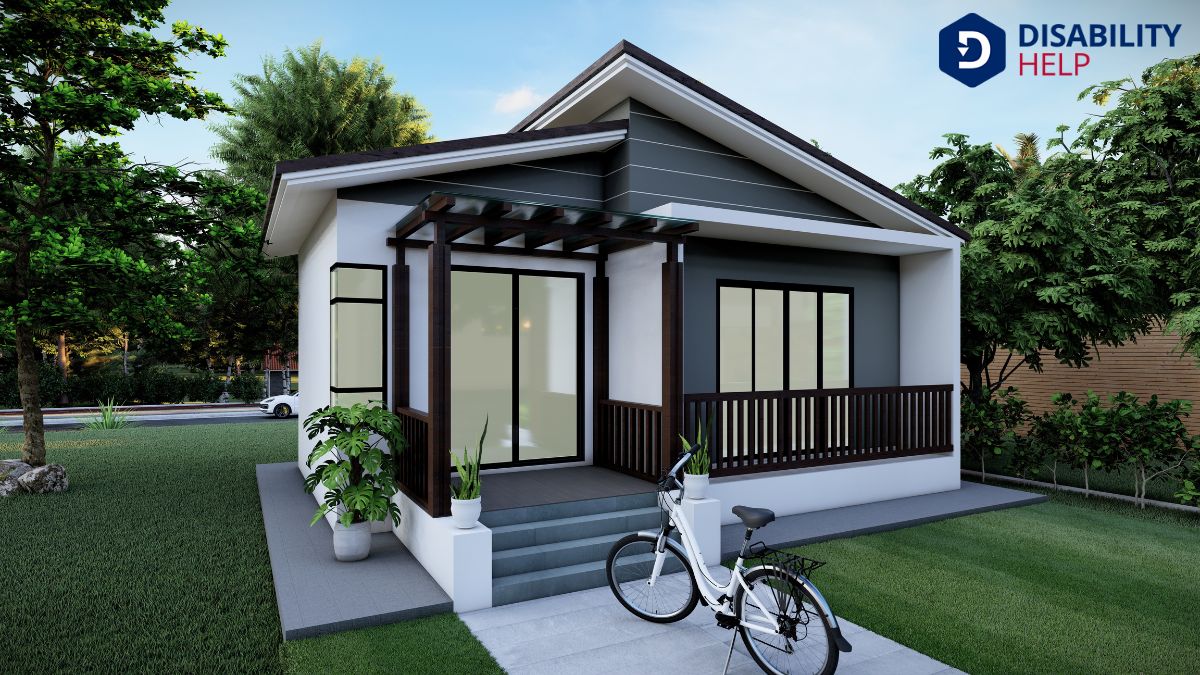
Accessible housing is essential for ensuring that everyone, regardless of ability, can live independently and comfortably.
You might wonder what makes a home truly accessible. It involves thoughtful design features like wider doorways, zero-step entries, and lever-style door handles. These elements allow you to navigate your space with ease.
When you're considering accessible housing, it's important to think about more than just physical space. Technologies like voice-activated systems and smart home devices also play a key role in making daily tasks easier.
You should also look for adjustable countertops and roll-in showers, which can greatly enhance accessibilityThe design of products, devices, services, or environments to be usable by people with disabilities.....
Understanding these components helps you appreciate the importance of accessible housing, which is vital for creating inclusive communities where everyone's needs are respected and met.
Exploring Supported Living Arrangements
You might find exploring the various types of supported living arrangements helpful, as they can offer tailored options to meet individual needs.
These arrangements provide benefits like increased independence and a supportive community, making everyday life more manageable.
Understanding the range of available options can empower you to make informed choices for a fulfilling living experience.
Types of Supported Living
When considering the varied needs of individuals with disabilities, supported living arrangements offer tailored solutions that guarantee independence and dignity.
You might explore several types of supported living, each designed to meet different levels of assistance and personal preference.
Group homes provide a communal environment with peers, often including staff support for daily activities. For more autonomy, you might consider semi-independent living, where individuals have their own apartments but access support as needed.
Shared living involves living with a caregiver or family member, offering a more personalized touch. Finally, there’s independent living with drop-in services, allowing maximum freedom while ensuring help is available.
Each option empowers individuals to live fulfilling lives while receiving the right balance of support.
Benefits of Supported Living
Although supported living arrangements cater to various needs, they all share the fundamental benefit of promoting independence and dignity for individuals with disabilities.
You'll find that these living options empower you to make your own choices about how you want to live. Whether it’s deciding on daily routines or who to socialize with, you’re in control. This autonomy builds confidence and enhances your quality of life.
Moreover, supported living often provides access to personalized care and assistance. You receive just the right level of support, whether it's help with personal care, managing finances, or transportation.
This tailored approach guarantees you maintain independence while having the safety net you need. Ultimately, supported living fosters a sense of belonging and community, enriching your life.
Defining Independent Living Options
Independent living options empower individuals with disabilities to lead self-directed lives while enjoying the freedom to make their own choices.
You might explore various housing arrangements designed to support autonomy. These can include accessible apartments or assisted living communities that offer the right level of support without compromising independence.
You’ll find that these environments often provide services like personal care assistance, transportation, and social activities tailored to individual needs. It's about finding a balance where you have the support you need while maintaining control over your daily life.
You gain the confidence to manage your affairs, engage with your community, and pursue your goals. Ultimately, independent living aims to enhance your quality of life without unnecessary restrictions.
The Role of Group Homes
Group homes play an essential role in providing supportive living environments for individuals with disabilities. They offer a unique setting where you can receive personalized care while enjoying a sense of community.
Staff members are present to assist with daily activities like cooking, cleaning, or medication management. This guarantees you have the help you need while promoting independence.
Living in a group home allows you to build relationships with others facing similar challenges. These social connections can improve your quality of life and foster a sense of belonging.
Group homes also focus on skill development, helping you learn new tasks and gain confidence.
The Basics of Assisted Living
Assisted living offers a valuable option for those who need some help with daily activities while maintaining a degree of independence. You’ll find that these communities provide a supportive environment where you can enjoy your own space and privacy. Assistance is available for tasks like bathing, dressing, and medication management, helping you manage daily routines more easily.
Each facility usually has a range of services and amenities tailored to individual needs. You can participate in social activities, ensuring you stay engaged and connected with others. Meals, housekeeping, and transportation services are typically included, freeing you from everyday burdens.
Importantly, assisted living focuses on promoting independence while offering the right level of support. This balance can enhance your quality of life and provide peace of mind.
Navigating Residential Care Facilities
While assisted living provides a balanced approach to support and independence, exploring residential care facilities opens up another avenue for those with more intensive needs.
In these environments, you'll find specialized support tailored to individuals who require extensive assistance. To navigate residential care facilities effectively, consider these key aspects:
- Level of Care: Assess what level of medical or personal care is needed. Facilities vary greatly in the services they provide, so identifying your or a loved one's specific needs is essential.
- Staff Qualifications: Check the qualifications and training of the staff. Skilled and compassionate caregivers can make a significant difference in the quality of care.
- Environment and Amenities: Look for a facility that offers a comfortable living environment and engaging amenities to guarantee a fulfilling experience.
The Importance of Universal Design
When designing spaces for individuals with disabilities, universal design principles secure accessibility and inclusivity for everyone.
These principles guarantee that all people, regardless of their physical abilities, can navigate and enjoy spaces comfortably. You don't have to think of ramps and wide doorways as special features; they're essential for creating environments that work for everyone.
Universal design includes features like lever handles, adjustable countertops, and clear signage, making daily life smoother for all.
The Concept of Co-Housing for Disabilities
Imagine a living arrangement where individuals with disabilities find both community and independence—this is the essence of co-housing for disabilities.
In such an environment, you’re not just a tenant; you’re part of a supportive network. Co-housing focuses on shared spaces and responsibilities, making it unique and inclusive.
Here’s what you’ll find in a co-housing setup:
- Shared Facilities: Common areas like kitchens and gardens that encourage interaction and cooperation.
- Personalized Living Spaces: Private units tailored to individual needs, offering personal freedom alongside communal living.
- Community Support: A built-in support system where neighbors help each other, fostering a sense of belonging.
The Benefits of Transitional Housing
In temporary housing, you'll find a supportive community environment that fosters growth and connection.
These settings offer skill development opportunities, helping you build confidence and prepare for the future.
Plus, they provide the stability you need to gain independence, creating a solid foundation for your next steps.
Supportive Community Environment
A supportive community environment is more than just a housing solution; it's a catalyst for growth and stability for individuals in flux.
When you enter such a place, you’re not just gaining a roof over your head; you’re becoming part of a network that nurtures and uplifts.
This environment offers:
- Emotional Support: You’ll connect with others who understand your journey, providing a sense of belonging and reducing feelings of isolation.
- Access to Resources: From healthcare to counselingProfessional guidance to help individuals cope with emotional, mental, or social challenges, particu..., you can find essential services right within your community.
- Peer Interaction: Engaging with peers in similar situations fosters mutual support and shared experiences.
These elements create a foundation where you can regain confidence and build a path towards greater independence.
Skill Development Opportunities
When you enter temporary housing, you're opening the door to valuable skill development opportunities that can transform your life.
You'll find a range of programs designed to enhance essential skills like budgeting, cooking, and personal hygiene. These programs aim to build confidence and self-reliance, empowering you to manage daily tasks with ease.
You'll also engage in workshops that focus on job readiness, providing you with the tools to write resumes and prepare for interviews.
Furthermore, you'll have access to resources that teach effective communication and relationship-building skills.
This nurturing environment encourages learning and growth, allowing you to explore new interests and talents.
Stability and Independence Gains
Skill development lays a strong foundation, and now it's time to explore how temporary housing fosters stability and independence.
Temporary housing offers you the opportunity to build a more secure and self-reliant future. Here's how:
- Supportive Environment: Temporary housing provides a safe space where you can focus on personal growth without the immediate pressures of independent living.
- Skill Reinforcement: Continued access to resources and programs helps you practice and solidify the skills needed for long-term success.
- Gradual Change: You can move at your own pace, gaining confidence as you adjust to increased responsibilities and independence.
Evaluating Customized Housing Solutions
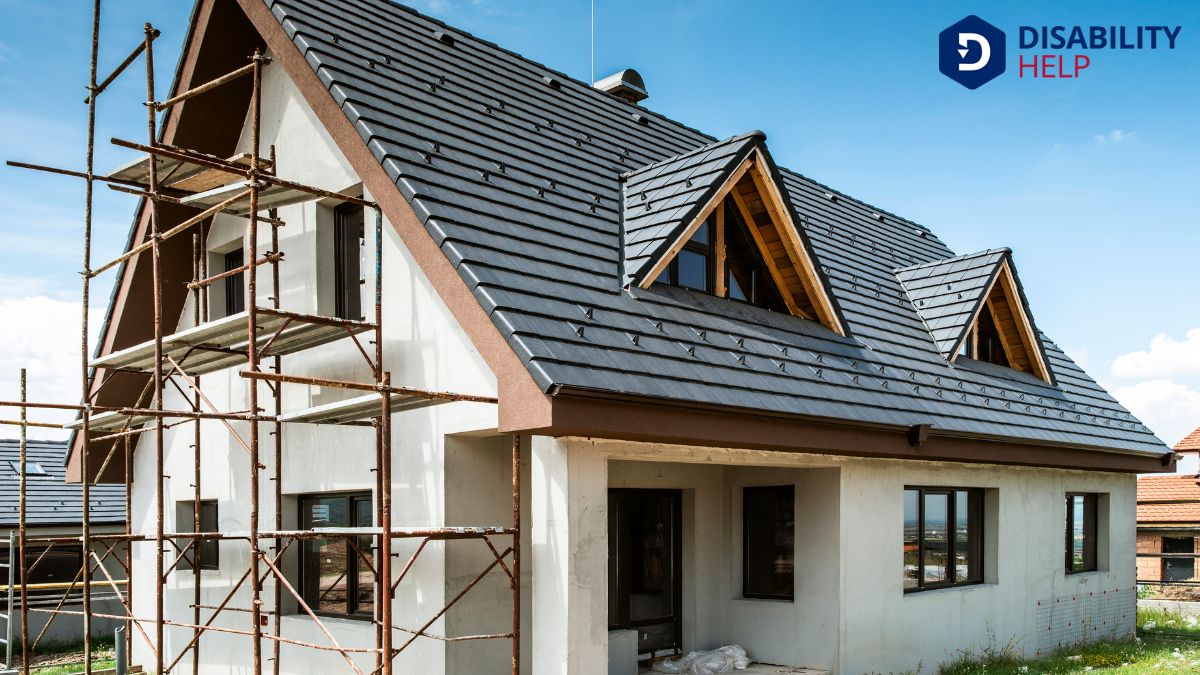
Though it can seem intimidating at first, evaluating customized housing solutions for individuals with disabilities is essential in ensuring their needs are met effectively.
Start by identifying specific requirements, such as accessibility features like ramps, widened doorways, or adaptive technology. Consider the person’s unique daily activities and how their environment can support them.
You’ll want to involve the individual in the decision-making process since their insights are invaluable. Consult with professionals, such as occupational therapists or housing specialists, who can provide expert advice tailored to particular needs.
Comparing different options will help you find the best fit, balancing functionality with affordability.
Conclusion
In exploring disability housing, you've seen how accessible housing, supported living, and other options create inclusive environments for individuals with disabilities. By incorporating universal design and tailored solutions, these housing types allow people to live independently and thrive within their communities. Whether it's through group homes, assisted living, or co-housing arrangements, each option plays an essential role in enhancing quality of life. Remember, the right housing solution empowers individuals and fosters a sense of belonging.