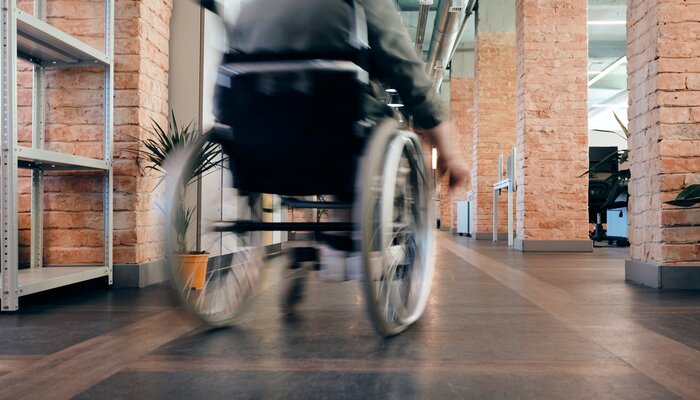
You might think disability and accessibilityThe design of products, devices, services, or environments to be usable by people with disabilities.... are fundamentally the same, but they aren't. Disability refers to the limitations faced by individuals due to physical or mental conditions. Accessibility, on the other hand, is about creating environments where those limitations are minimized or eliminated. If you want to explore how these concepts intertwine and impact our daily lives, you'll uncover a world of inclusivity and innovation that's waiting to be explored.
Key Takeaways
- Disability refers to a condition or function that is significantly impaired compared to usual standards.
- Accessibility involves designing environments and products that are usable by all, regardless of ability.
- Disability highlights challenges faced by individuals, while accessibility focuses on removing environmental barriersPhysical, social, or attitudinal barriers in the environment that hinder the participation of indivi....
- Accessibility creates opportunities for individuals with disabilities to engage fully in society.
- Disability is about individual conditions; accessibility pertains to how environments accommodate diverse needs.
Defining Disability
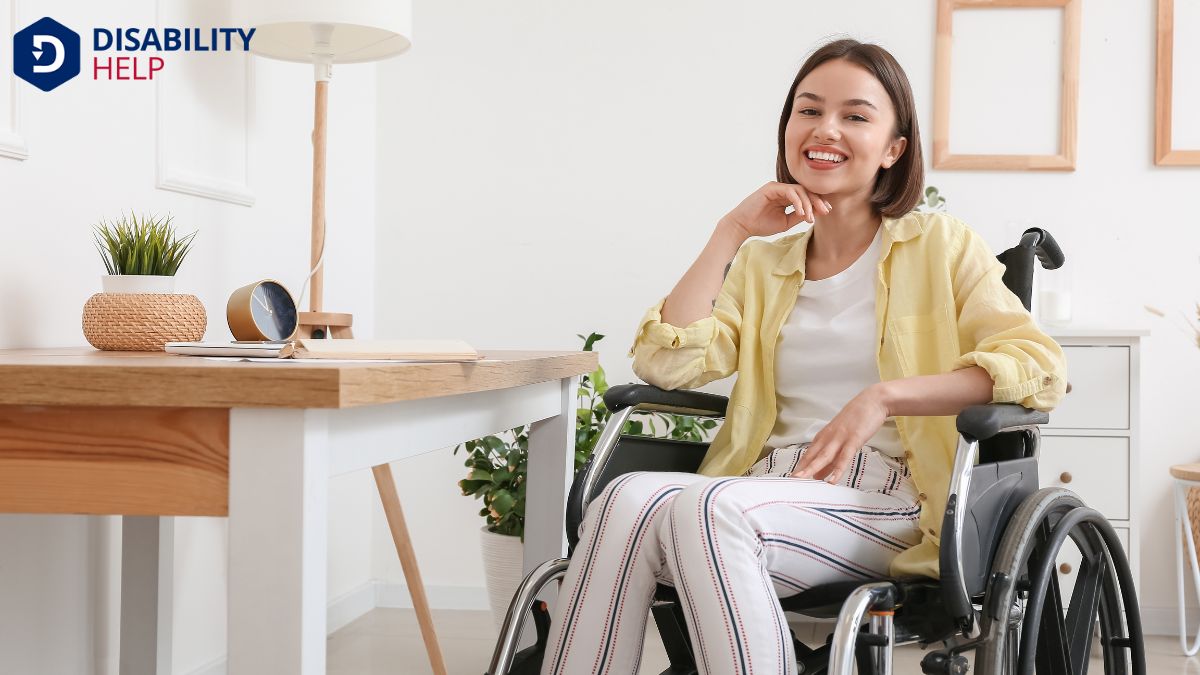
Disability refers to a condition or function judged to be considerably impaired relative to the usual standard of an individual or group.
When you think about disability, consider it as a broad term encompassing physical, mental, sensory, or cognitive differences. It doesn't define a person's entire identity but highlights areas where they might face challenges.
Recognizing this, you understand that disabilities vary widely—what may present a barrier to one person mightn't affect another in the same way.
By acknowledging these differences, you can appreciate that disabilities are part of human diversityThe inclusion of individuals from a wide range of backgrounds, including people with disabilities.. It's about understanding that everyone has unique needs and abilities.
You should focus on recognizing these, fostering a society where differences are acknowledged, respected, and included.
Understanding Accessibility
Accessibility embodies the concept of creating an environment where everyone, regardless of ability, can participate fully and without barriers. It’s about ensuring that physical spaces, digital platforms, and communication methods are usable by all.
You probably encounter examples of accessibility daily, like ramps, elevators, or closed captioning on videos. These adjustments aren’t just conveniences—they’re essential for inclusionThe practice of creating environments in which any individual or group can be and feel welcomed, res....
When you think about accessibility, consider how it impacts someone’s ability to engage with the world. It’s not just about people with disabilities; it’s relevant to everyone.
Maybe you've benefited from a feature designed for accessibility without realizing it. By prioritizing accessibility, you help create a world that values diversity and inclusivity, where everyone has the opportunity to contribute and thrive.
The Relationship Between Disability and Accessibility
While accessibility and disability are often discussed together, they aren't synonymous.
You might think of accessibility as the bridge that connects people with disabilities to the world around them. It's about creating environments, products, and services that everyone can use, regardless of their abilities.
When you consider accessibility, you focus on removing barriers that might prevent someone with a disability from participating fully in daily life.
Historical Context and Evolution
You can explore how early societies often misunderstood disability, viewing it through a lens of superstition or pity.
Over time, the shift towards recognizing the rights of people with disabilities led to significant accessibility legislation.
Understanding these milestones helps you see how efforts to create inclusive environments have evolved.
Early Disability Perceptions
Throughout history, perceptions of disability have undergone significant transformations shaped by cultural, social, and political influences. You might find it interesting that in ancient societies, disabilities were often viewed with superstition, sometimes seen as curses or divine punishment. As you investigate historical texts, you'll notice that people with disabilities were frequently marginalized, lacking rights and opportunities.
During the Middle Ages, disabilities were often misunderstood, with individuals sometimes considered outcasts. Yet, there were also instances of compassion, like religious institutions providing care.
Accessibility Legislation Milestones
As societies began recognizing the importance of inclusivity, landmark legislation emerged to improve accessibility for individuals with disabilities. In the United States, the Rehabilitation Act of 1973A U.S. law that prohibits discrimination based on disability in federal programs and services, inclu... was a pivotal moment, mandating that federally funded programs accommodate people with disabilities.
This paved the way for the Americans with Disabilities Act (ADA)A U.S. law that prohibits discrimination against individuals with disabilities in all areas of publi... in 1990, which prohibits discrimination and requires public spaces to be accessible.
Globally, the United Nations Convention on the Rights of Persons with Disabilities, adopted in 2006, set international standards for accessibility and equal rights.
These milestones illustrate a growing commitment to inclusivity, showing you how laws have evolved to guarantee everyone can participate fully in society.
Understanding these laws helps you appreciate the strides made and recognize areas needing further improvement.
Common Misconceptions
While traversing the topics of disability and accessibility, it's common to encounter several misconceptions that can cloud understanding.
You might think disability and accessibility are interchangeable, but they're distinctly different. Disability refers to a condition that may limit a person's physical, sensory, or cognitive abilities. Accessibility, on the other hand, involves creating environments and tools that allow people with disabilities to fully engage with the world.
Another misconception is that accessibility only benefits those with disabilities. In reality, accessible design can help everyone. Consider curb cutsRamps built into sidewalks or curbs to allow easier access for wheelchairs and those with mobility i...; they assist not only wheelchair users but also people with strollers or luggage.
Finally, many believe accessibility is costly. However, with thoughtful planning, it often saves money in the long run by expanding user reach and inclusion.
Legal Frameworks and Policies
When exploring legal frameworks and policies, you'll find that international disability rightsThe legal and human rights afforded to individuals with disabilities, often the focus of advocacy an... play a vital role in shaping accessibility standards.
Implementing these standards effectively requires careful consideration of the diverse needs of individuals with disabilities.
Analyzing the impact of these policies helps guarantee they truly enhance accessibility in everyday environments.
International Disability Rights
Though often overlooked, international disability rights form the backbone of global efforts to guarantee equality and inclusion for persons with disabilities.
You might wonder how these rights translate into action. Several key international agreements shape the landscape, influencing national policies and setting standards for treatment and opportunities.
Consider these impactful frameworks:
- United Nations Convention on the Rights of Persons with Disabilities (CRPD)An international treaty that promotes and protects the rights of people with disabilities.: Advocates for full participation in society.
- World Health Organization’s Global Disability Action PlanA strategic plan developed by organizations or governments to improve accessibility and inclusion fo...: Aims to improve health outcomes.
- International Labour Organization’s Disability InclusionThe practice of ensuring that individuals with disabilities have equal access to employment opportun... Strategy: Promotes employment and workplace equality.
- Sustainable Development Goals (SDGs): Assure no one is left behind, including those with disabilities.
Accessibility Standards Implementation
Guaranteeing accessibility standards are effectively implemented requires a robust legal framework and clear policies.
You need to understand that these frameworks create the foundation for guaranteeing everyone has equal accessThe principle that all individuals, including those with disabilities, should have equal opportunity... to public spaces, digital platforms, and services. Laws like the Americans with Disabilities Act (ADA) and the European Accessibility Act establish guidelines that organizations must follow.
These rules aren't just suggestions; they're mandatory and enforceable by law.
Clear policies help you understand your responsibilities and provide a roadmap for compliance. They guarantee that accessibility isn't an afterthought but an integral part of planning and development.
Policy Impact Analysis
Analyzing the impact of legal frameworks and policies on accessibility reveals how these regulations shape the environments we interact with daily.
You’ll find that these rules influence everything, from the design of public spaces to the functionality of digital platforms. They guarantee equal access for all, breaking barriers that limit participation for people with disabilities.
Consider how policies:
- Mandate ramps and elevators in public buildings, making them accessible to wheelchair users.
- Require captions on videos, enabling those with hearing impairments to understand content.
- Enforce website accessibility standards, guaranteeing digital inclusivity.
- Promote inclusive designDesign that considers the needs of the widest range of users, including people with disabilities, fr... in new developments, considering diverse needs from the start.
The Role of Technology
As technology continues to evolve, it plays an essential role in bridging the gap between disability and accessibility. You’ll find that assistive devices have become more advanced, offering people with disabilities greater independence and opportunities. Screen readers, voice recognition software, and adaptive keyboards enable seamless interaction with digital content.
You’ve also probably noticed how smart home technologies like voice assistants and automated lighting systems enhance daily living by providing easier control over home environments.
Moreover, apps designed to provide real-time captions or sign language interpretation foster communication and inclusion. Companies are continuously innovating to create solutions that cater to diverse needs, ensuring everyone can participate fully in society.
Universal Design Principles
Building on the advancements in technology, universal designThe design of products, environments, and services to be usable by all people, to the greatest exten... principles further enhance accessibility by ensuring environments and products are usable by everyone, regardless of ability.
By applying these principles, you create spaces and tools that cater to diverse needs, making life easier and more inclusive. These principles focus on simplicity, flexibility, and intuitive use.
Imagine:
- Wide doorways that allow easy access for wheelchairs and strollers.
- Lever handles that are easy to operate for people with limited hand mobility.
- Ramps alongside stairs provide alternative routes for people with mobility challenges.
- Clear signage with large text and braille for those with visual impairments.
The Impact on Society
When societies embrace accessibility, they unlock the potential for a more inclusive and equitable community. You witness barriers breaking down, allowing everyone, regardless of their abilities, to participate fully in daily life.
By ensuring accessibility, you help create spaces where people with disabilities can contribute their talents and perspectives, enriching the community as a whole. In turn, this fosters a sense of belonging, reduces stigmaThe negative attitudes and discrimination faced by individuals with disabilities due to societal ste..., and celebrates diversity.
Businesses thrive when they cater to a broader audience, and educational institutions become more dynamic by accommodating all students. You see that accessible environments benefit not just those with disabilities, but also parents with strollers, the elderly, and even travelers.
Ultimately, prioritizing accessibility strengthens society, making it more resilient and harmonious for everyone.
Steps Toward Greater Inclusivity
Creating a more inclusive society starts with intentional steps that prioritize accessibility and understanding.
You can play an essential role in fostering an environment where everyone feels valued and accommodated.
Begin by educating yourself about the diverse needs and challenges faced by individuals with disabilities. This awareness will guide you in taking effective actions.
Consider these steps:
- Educate: Attend workshops or read materials to understand different disabilities.
- Advocate: Speak up for policies that promote accessibility in public spaces.
- Design: Guarantee your digital platforms are accessible to all users.
- Engage: Collaborate with people with disabilities to gain firsthand insights.
Conclusion
You've explored how disability and accessibility differ yet intertwine. While disability highlights individual challenges, accessibility emphasizes removing barriers to guarantee inclusivity. By understanding this relationship, you can help foster environments that accommodate diverse needs. Technology and universal design play essential roles in promoting inclusivity, making society more equitable. As you move forward, remember that embracing accessibility means advocating for a world where everyone, regardless of ability, can participate fully and equally.