Let's explore what can trigger a Social Security Disability review. It's not just routine checks; factors like medical recovery, changes in income, or even third-party complaints can set the wheels in motion. If someone starts earning above the Substantial Gainful Activity threshold, that’s another red flag. Ever wondered how these reviews guarantee fairness while preventing misuse of benefits? There's more to uncover about the intricacies of this process.
Key Takeaways
- Routine Continuing Disability Reviews are scheduled based on the likelihood of medical improvement to ensure ongoing eligibility.
- Medical improvement or recovery can trigger a reassessment of Social Security disability benefitsFinancial assistance provided to individuals who are unable to work due to a disability, such as Soc....
- Returning to work or increased earnings reaching Substantial Gainful Activity may prompt a benefits review.
- Reports from third parties like employers or family members can initiate a disability review.
- Non-compliance with treatment plans or suspected fraud may lead to a review of benefits.
Routine Continuing Disability Reviews
Routine Continuing Disability Reviews (CDRs) are a standard procedure in which we periodically assess whether individuals still qualify for Social Security disability benefits.
We conduct these reviews to guarantee that beneficiaries continue to meet the medical and non-medical requirements for receiving assistance. By carrying out CDRs, we maintain the integrity of the Social Security program and confirm that resources are allocated to those who truly need them.
Our process involves examining medical records and other relevant information.
We schedule CDRs based on the likelihood of medical improvement, so some reviews occur more frequently than others.
Beneficiaries and their representatives can rest assured that these reviews are routine and essential in maintaining fairness and accuracy in the distribution of disability benefits.
Medical Improvement and Recovery
When beneficiaries experience medical improvement or recovery, we reassess their eligibility for Social Security disability benefits. This process guarantees that assistance goes to those who truly need it.
If a beneficiary's health improves or they recover enough to engage in substantial work, it's time for us to review their case. We rely on medical evidence to determine if the improvement affects their ability to work.
Our goal is to uphold fairness in our system and allocate resources to those eligible under current guidelines. We recognize that medical conditions and recovery can vary greatly, so we carefully evaluate each situation.
Age-Related Criteria Changes

Let's explore how changes in age-related criteria can impact Social Security disability reviews.
As we age, the thresholds for eligibility and benefit reevaluation might shift, affecting our qualification status.
We'll look at how these adjustments can influence our benefits and discuss what these changes mean for us.
Age Threshold Adjustments
Steering through the complexities of Social Security Disability benefits often involves understanding age threshold adjustments, which can greatly impact eligibility and benefit levels.
As we age, Social Security recognizes that the ability to adaptA grassroots disability rights organization in the U.S. that focuses on promoting community-based se... to new work environments may diminish. Consequently, reaching certain age milestones can trigger a review. For instance, when we turn 50 or 55, we might find that the criteria for evaluating our work capacity shifts, potentially easing the qualification process.
These adjustments are designed to account for the increased challenges older individuals face in the workforce. By grasping these age-related nuances, we can better prepare for reviews and guarantee our benefits align with our changing circumstances.
Staying informed helps us navigate the system more effectively.
Eligibility Requirement Updates
As we explore the recent eligibility requirement updates, it’s important to understand how age-related criteria changes can impact our Social Security Disability benefits.
The Social Security Administration occasionally adjusts age-related criteria to guarantee the system reflects current economic and demographic realities. These changes can affect when we're eligible for benefits, potentially altering the age thresholds or the way our work history is evaluated.
It’s vital we stay informed about these updates because they can directly influence our ability to qualify for or maintain benefits. Understanding these shifts helps us plan better for our financial future, especially if we're nearing the age where these criteria might change.
Let's make sure we're proactive in reviewing any notices from Social Security to remain compliant.
Benefit Reevaluation Criteria
When the Social Security Administration updates the criteria for benefit reevaluation, especially concerning age, it directly impacts our eligibility and continued access to disability benefits.
As we age, certain criteria may change, influencing how the SSA assesses disabilities. For instance, older adults might face different standards due to age-related physical or mental changes. This could affect the frequency and nature of reviews, potentially requiring additional medical evidence or documentation to maintain benefits.
Understanding these age-related criteria helps us prepare for possible reviews. Staying informed about changes can prevent unexpected benefit interruptions.
It’s vital to regularly check SSA updates and consult professionals if needed. By doing so, we guarantee our benefits align with current regulations and continue to support us effectively.
Return to Work or Increased Earnings
Many of us may not realize that returning to work or experiencing increased earnings can trigger a review of our Social Security Disability benefits. When we attempt to re-enter the workforce, even part-time, the Social Security Administration (SSA) takes notice.
Their goal? To guarantee our medical condition still qualifies us for assistance. If our earnings reach a certain level, known as Substantial Gainful Activity (SGA), the SSA may question whether we still need benefits.
They look at our work activity to assess if we've regained the capacity to work. It's essential to understand that reporting our work and earnings is our responsibility. By doing so, we can avoid any surprises and guarantee our benefits are managed appropriately.
Receipt of Unreported Income
Let's explore how the receipt of unreported income can trigger a review of our Social Security disability benefits.
We'll discuss the income monitoring process and the importance of adhering to earnings reporting requirements.
Understanding how unreported income impacts our benefits guarantees we remain compliant and avoid potential issues.
Income Monitoring Process
Keeping an eye on income is essential for guaranteeing the integrity of Social Security Disability benefits. When we receive these benefits, the Social Security Administration (SSA) actively monitors our earnings to prevent overpayments.
Their income monitoring process involves cross-referencing our reported income with data from employers and other government agencies. If the SSA identifies discrepancies, like unreported income, they may initiate a review of our disability status.
Our responsibility is to be transparent and accurate with income reporting. Even small amounts of unreported income can trigger a review, potentially affecting our benefits.
Earnings Reporting Requirements
Earnings reporting is an essential responsibility we all share as recipients of Social Security Disability benefits.
We're required to report any income changes, as they can influence our eligibility. Failing to report earnings promptly can lead to a review of our case.
It's important to remember that any work activity, whether part-time, full-time, or even self-employed gigs, must be reported.
We should maintain accurate records of our earnings and report them to the Social Security Administration (SSA) as soon as changes occur.
Impact on Benefits
While reporting our earnings is a shared responsibility, the consequences of not doing so can considerably impact our benefits. Unreported income can trigger a Social Security Disability review, possibly leading to adjustments or termination of benefits.
If the Social Security Administration (SSA) discovers unreported earnings, they may view us as exceeding their income limits, potentially affecting our eligibility.
It's vital to understand that the SSA is vigilant about accurately evaluating our financial situations. By making sure all income is reported, we help maintain transparency and avoid unexpected financial disruptions.
We should regularly review our income reporting to guarantee compliance. By being proactive, we protect our benefits and reduce the risk of undergoing a stressful review process.
Let's stay informed and diligent.
Change in Disability Status
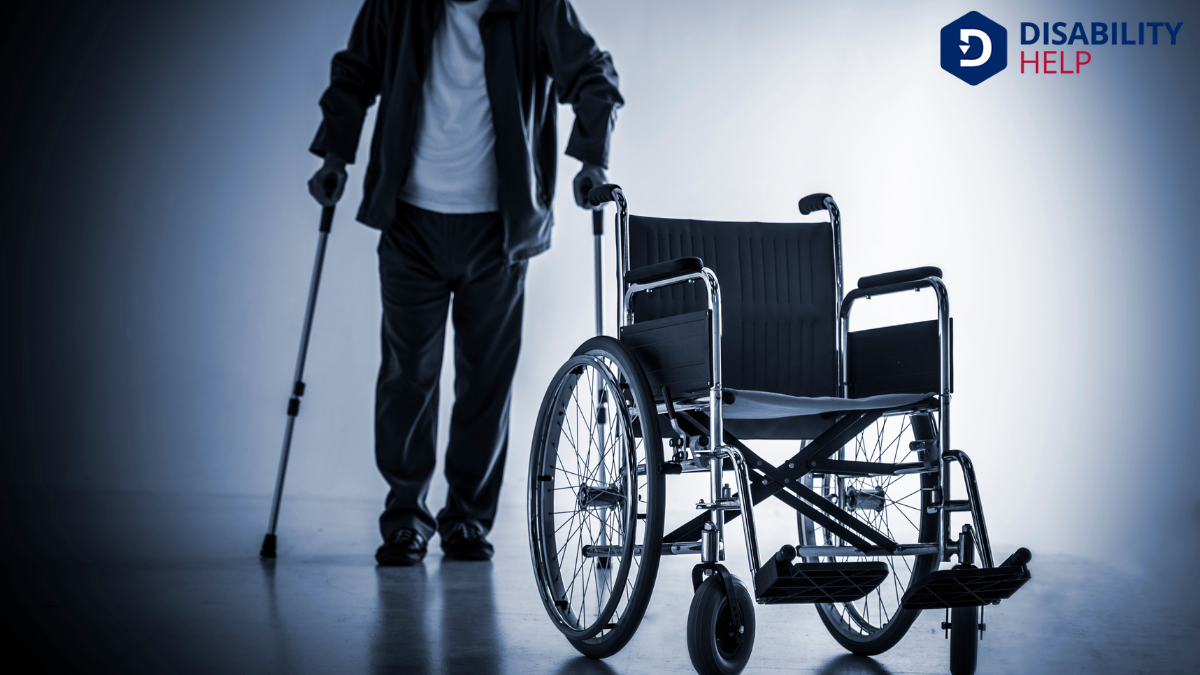
When a change in disability status occurs, it might trigger a review of your Social Security benefits. We recognize it can be concerning, but it’s important to know what this means. A change might include improvements in your condition or a decrease in the severity of symptoms.
If you're experiencing any changes, it's vital to communicate with medical professionals and keep your records updated. The Social Security Administration (SSA) periodically reviews cases to guarantee individuals still meet the requirements.
If they determine your condition has improved enough to work, your benefits might be affected. Staying proactive and informed about your status can help you navigate these reviews more confidently.
Third-Party Reports or Complaints
When third parties report concerns about fraud or changes in a medical condition, it can trigger a review of someone's Social Security disability benefits.
We must understand that these reports can come from various sources, such as employers or colleagues who notice discrepancies.
It's essential to address any such complaints promptly to guarantee the integrity of the disability program.
Reporting Fraud to Authorities
How can individuals help maintain the integrity of the Social Security Disability program?
We can do so by reporting any suspected fraud to the authorities. If we notice someone receiving benefits under false pretenses, it’s vital to alert the Social Security Administration (SSA).
Fraud not only undermines the system but also impacts those truly in need. By reporting, we guarantee resources are properly allocated.
We can contact the SSA Office of the Inspector General (OIG) directly online or via their hotline. It’s important to provide as much detailed and accurate information as possible, like names, addresses, and a description of the alleged fraud.
Our vigilance helps maintain a fair and just system for everyone who genuinely requires assistance.
Medical Condition Concerns Raised
Sometimes, third-party reports or complaints about an individual's medical condition can prompt a review of their Social Security Disability benefits. These reports often come from people concerned that an individual’s condition has improved or changed.
Here’s how these reports might trigger a review:
- Family Members: They might notice significant improvements or changes in the individual's condition and report this to authorities.
- Healthcare Providers: A doctor or therapist might file a report if they observe substantial changes in a patient's health status.
- Neighbors: They might witness activities that seem inconsistent with an individual's claimed disabilities.
- Friends or Acquaintances: They could notice discrepancies between the individual's reported condition and their actual abilities.
Understanding these triggers helps us navigate and manage disability benefits effectively.
Employer or Colleague Reports
Even though it might seem surprising, reports from employers or colleagues can play a significant role in triggering a review of Social Security Disability benefits.
When someone close to our work environment notices a change in our condition or abilities, they might report it, thinking they're helping. These third-party reports are taken seriously by the Social Security Administration, as they provide an external perspective on how our condition affects our work capabilities.
It's important for us to understand that these reports aren't always malicious. Often, they're meant to guarantee that we're receiving the appropriate benefits.
If an employer or colleague submits a report, the administration may initiate a review to assess any changes in our disability status.
Let's stay informed and prepared.
Scheduled End of Disability Period
When individuals are approved for Social Security Disability benefits, they might receive a set period of time for assistance, known as the "scheduled end of disability period." This timeframe is established based on the expectation that the individual's medical condition may improve.
As we approach the end of this period, a review is triggered to assess if benefits should continue or adjust. Here’s what this review typically involves:
- Medical Evaluation: We must provide updated medical records to demonstrate current health status.
- Functional Assessment: We'll need to show how our condition affects daily activities.
- Consultative Exam: Sometimes, Social Security may request an independent medical exam.
- Decision Process: Finally, they’ll decide if our condition still qualifies under their criteria.
Understanding this process helps us prepare effectively.
Non-Compliance With Treatment or Rehabilitation

Non-compliance with treatment or rehabilitationThe process of helping individuals with disabilities achieve and maintain their optimal physical, se... can greatly impact our Social Security Disability benefits.
When we fail to follow prescribed medical treatments or rehabilitation plans, it might signal to the Social Security Administration (SSA) that we're not fully committed to improving our condition. This can lead to a review of our benefits and possibly result in a reduction or termination.
It’s essential for us to adhere to medical advice unless we've a valid reason, like severe side effects or financial constraints. If we can’t comply for legitimate reasons, we should communicate this to the SSA.
By keeping open lines of communication and documenting our efforts, we can better navigate the system and protect our benefits.
Let's stay proactive in our health management.
Fraud Investigation or Suspicion
If the Social Security Administration suspects fraud in our disability claims, it could trigger a thorough investigation. This scrutiny guarantees that benefits are only given to those truly in need.
Fraud suspicion might arise if there are inconsistencies in our applications or reports. Let's look at situations that could lead to such suspicion:
- Conflicting Information: If details in our medical records differ from what we've reported.
- Unreported Income: Failing to report earnings that exceed the allowed limit.
- Third-party Reports: Tips or complaints from others about our activities or health.
- Unusual Activity: Sudden changes in our medical condition or lifestyle that don't match the information provided.
It’s essential that we maintain honesty and accuracy in our applications to avoid triggering unnecessary investigations.
Conclusion
In summary, we’ve explored the various triggers for a Social Security Disability review. From medical improvements to changes in earnings or third-party reports, each factor plays an essential role in ensuring benefits reach those who truly need them. As beneficiaries, it’s vital for us to stay informed and compliant with all requirements to avoid any surprises. Let’s make sure we’re proactive in reporting changes and following treatment plans to maintain our rightful benefits.