
In California personal injury cases, we're looking at a variety of damages that can be recovered to guarantee fair compensation for victims. From medical expenses and lost wages to pain and suffering, the scope is broad. We also consider property damage and the impact on personal relationships. There's a lot to uncover, especially when it comes to emotional distress and potential punitive damages. Let's explore how these elements play a role in personal injury claims.
Key Takeaways
- Medical expenses cover current and future treatment-related costs, including hospital stays, surgeries, and medications.
- Lost wages compensate for income missed during recovery, including salary, bonuses, and commissions.
- Pain and suffering damages address emotional and physical distress, with no fixed calculation formula in California.
- Property damage claims cover costs to repair or replace damaged property and related expenses, like rental car fees.
- Loss of consortium compensates for the impact on family relationships due to the injury, reserved for spouses or registered partners.
Medical Expenses
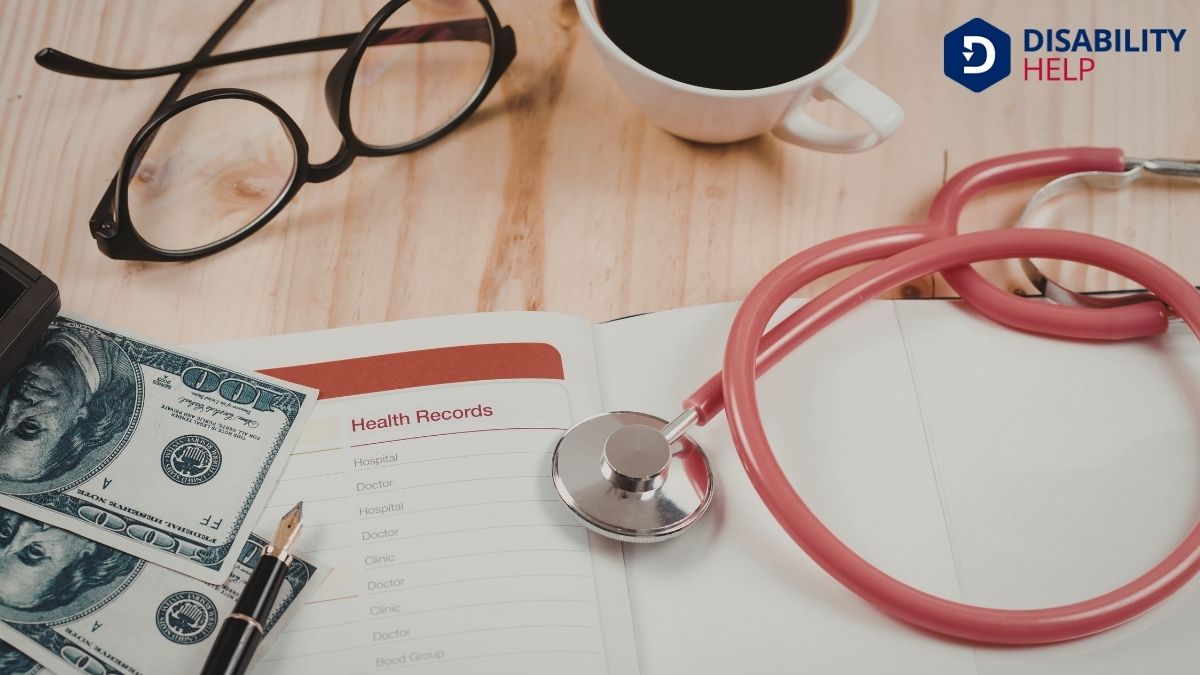
When dealing with personal injury cases in California, understanding medical expenses is vital. We need to guarantee we’re fully aware of what can be recovered.
Medical expenses cover everything related to the treatment of injuries. This includes hospital stays, surgeries, medications, rehabilitationThe process of helping individuals with disabilities achieve and maintain their optimal physical, se..., and even future medical costs if ongoing care is necessary. By documenting every expense diligently, we build a strong case for recovering these costs.
We should remember that insurance companies might attempt to minimize payouts. Consequently, staying informed about our rights and the extent of recoverable damages will empower us.
Consulting with a knowledgeable attorney helps us navigate these complexities. Let’s focus on gathering all medical records and bills, as they’re essential for proving our claims and guaranteeing we receive fair compensation.
Lost Wages
Moving from medical expenses, let's address another significant aspect of personal injury cases in California: lost wages.
When we're injured and unable to work, it’s not just our health that suffers—our financial stability takes a hit too. Lost wages cover the income we miss out on while recovering from our injuries. This includes not only our regular salary but also bonuses, commissions, and any other income sources we would’ve received.
To claim lost wages, we’ll need documentation like pay stubs, tax returns, or employer statements that verify our earnings and the time we couldn't work. This part of our claim guarantees we’re financially protected and can focus on healing without the added stress of lost income.
Pain and Suffering
While financial losses are quantifiable, pain and suffering represent the more intangible impacts of a personal injury. They encompass the emotional and physical distress we've endured due to the incident. Calculating these damages isn't straightforward, but they’re essential in addressing the full extent of our experience.
Pain and suffering may include ongoing aches, loss of enjoyment in life, anxiety, or depressionA mental health condition marked by persistent feelings of sadness and loss of interest..
In California, there’s no fixed formula for determining these damages, but factors like the severity of the injury, recovery time, and impact on daily life play a role.
We should gather detailed documentation and, if possible, testimony from mental health professionals to strengthen our case. Understanding this helps us guarantee we’re fully compensated for the unseen burdens we carry.
Property Damage
Property damage often accompanies personal injury cases, and it's vital we address it to guarantee we're fully compensated.
In California, when an accident damages our property, such as a vehicle, we're entitled to recover the costs necessary to repair or replace it. This includes not only the direct repair costs but also any related expenses, like rental car fees while our vehicle's being fixed.
We should also consider the diminished value of our property. Even after repairs, its market value might decrease, and we can claim that loss too.
Additionally, personal belongings inside the damaged vehicle, such as electronics or clothing, might be recoverable. It's essential we thoroughly document all losses with receipts and estimates to ensure we're fairly compensated.
Loss of Consortium
Let's explore the concept of loss of consortium in California personal injury cases.
This type of claim focuses on the impact an injury has on the relationship between the injured person and their spouse or partner.
We'll examine what qualifies as loss of consortium, who can make these claims, and how compensation is determined.
Definition and Legal Basis
Loss of consortium claims often arise in personal injury cases, highlighting the profound impact an injury can have on a relationship. When a loved one is injured, we may find that our relationship shifts dramatically.
Loss of consortium refers to the deprivation of the benefits of a family relationship due to injuries caused by a third party's negligenceA legal concept where a party fails to exercise reasonable care, resulting in harm to another person.... Under California law, this can include the loss of companionship, affection, sexual relations, and emotional support.
The legal basis for these claims rests on the idea that the injured party's family member also suffers due to the injury. By recognizing this loss, courts aim to compensate for the intangible damages that affect the quality of life and the bond between partners.
Eligibility and Limitations
To determine eligibility for a loss of consortium claim in California, we need to look at the relationship between the injured party and the claimant. Typically, this claim is reserved for spouses or registered domestic partners. It recognizes the emotional and physical impact that the injury has on the uninjured partner.
We're acknowledging the loss of companionship, affection, and the overall disruption to the relationship.
There are limitations to take into account. The injury must be severe enough to affect the marriage or partnership considerably. Additionally, California law doesn't extend loss of consortium claims to non-marital relationships, like dating partners or friends.
Understanding these eligibility requirements helps us navigate the complexities of pursuing this type of claim and guarantees we're aware of the potential restrictions involved.
Compensation and Evaluation
When evaluating compensation for a loss of consortium claim in California, it's crucial to take into account both tangible and intangible factors.
We need to contemplate the impact on the relationship, such as loss of companionship, affection, and sexual relations. These intangible elements can profoundly affect a spouse’s emotional and psychological well-being.
Additionally, tangible factors like the injured party’s ability to contribute to household duties or participate in family activities play a role.
We should assess how these changes alter the day-to-day dynamics of the relationship.
Punitive Damages
Let's explore the role of punitive damages in personal injury cases.
These damages aim to punish the wrongdoer and deter similar behavior in the future, rather than just compensate the victim.
In California, they're awarded when the defendant's actions are especially egregious, meeting specific legal criteria.
Purpose of Punitive Damages
Injustice sometimes calls for a remedy that goes beyond simple compensation, and that’s where punitive damages come into play. In a California personal injury case, these damages serve a dual purpose: they punish the wrongdoing party and deter similar conduct in the future.
Unlike compensatory damages, which aim to make us whole again, punitive damages send a strong message that certain behaviors are unacceptable. They’re not awarded in every case, but when they are, it’s to address actions deemed particularly harmful or malicious.
Criteria for Awarding Damages
Understanding when punitive damages might be awarded requires us to evaluate specific criteria that guide such decisions. In California, punitive damages aim to punish defendants for particularly egregious conduct and deter similar actions in the future.
We must first establish that the defendant's actions were malicious, fraudulent, or oppressive. Malice involves intentional harm or reckless disregard for others' safety. Fraud indicates intentional deceit for personal gain, while oppression refers to cruel and unjust hardship inflicted with disregard for rights.
The burden of proof for punitive damages is higher than for compensatory damages. We need clear and convincing evidence of the defendant's reprehensible behavior.
Emotional Distress

When we talk about emotional distress in California personal injury cases, we're focusing on the psychological impact a victim endures due to an accident or injury.
Emotional distress can manifest as anxiety, depression, fear, or even post-traumatic stress disorder (PTSD)A mental health condition triggered by experiencing or witnessing a traumatic event.. It's essential we recognize that these mental health impacts can be just as debilitating as physical injuries.
To recover damages for emotional distress, we need to demonstrate the direct connection between the incident and the emotional suffering experienced.
This often involves presenting medical records, expert testimony, or personal accounts that highlight the distress. By doing so, we’re ensuring victims receive fair compensation for their psychological pain.
Understanding emotional distress is vital because it validates the full scope of harm an individual may suffer beyond physical injuries.
Conclusion
In a California personal injury case, we can pursue several types of damages to guarantee victims receive fair compensation. We focus on medical expenses, lost wages, and pain and suffering, which includes emotional distress. Property damage and loss of consortium are also vital components. Let’s not forget the potential for punitive damages in certain cases. By gathering thorough documentation and evidence, we’re committed to helping victims secure the compensation they deserve for their losses and suffering.