
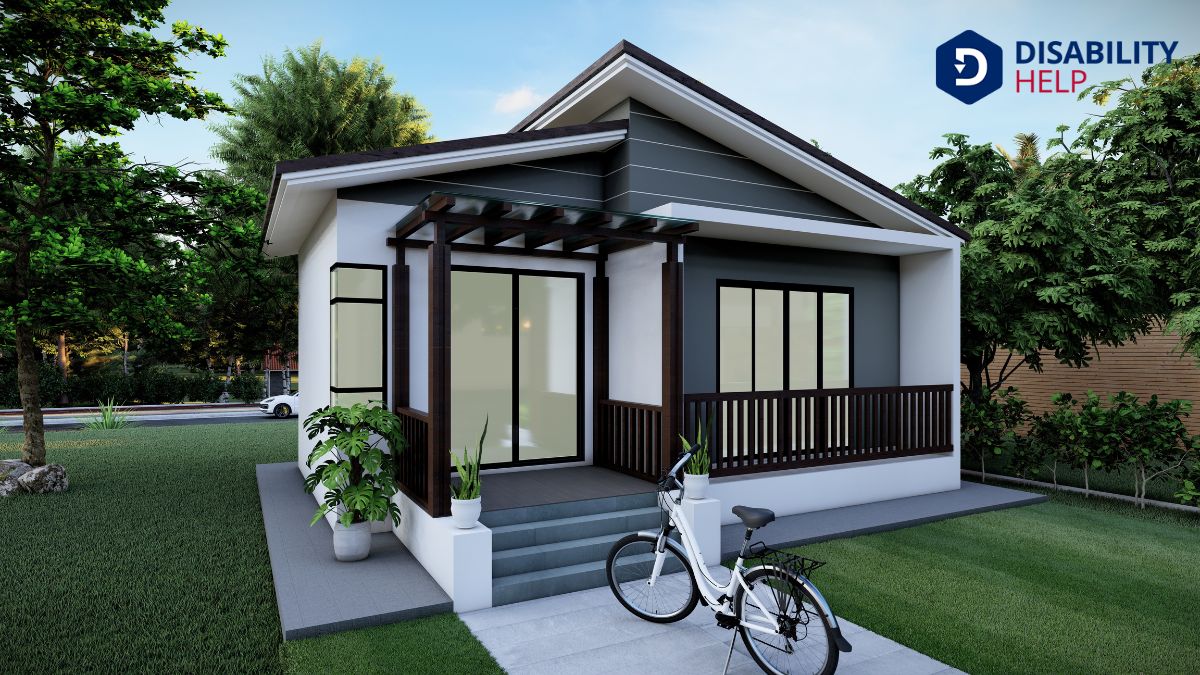
You're likely familiar with the term "accessible housing," but what does it really mean for you and your community? Imagine living in a space where everyone, regardless of physical ability, can move freely and comfortably. It's not just about ramps or wide doorways—it's about creating a welcoming environment that respects independence and dignity. Curious about how this impacts daily life and community dynamics? There's much more to uncover.
Key Takeaways
- Accessible housing ensures spaces are usable by individuals with varying abilities, fostering independence and dignity.
- It features design elements like wide doorways, lever handles, and non-slip flooring to remove barriers.
- Accessible housing integrates technology, such as smart home systems, to enhance ease of use and independence.
- It addresses the needs of people with disabilities, the elderly, and families with young children.
- Accessible housing enriches communities by promoting inclusivity, social interaction, and reducing isolation.
Understanding the Principles of Accessible Housing
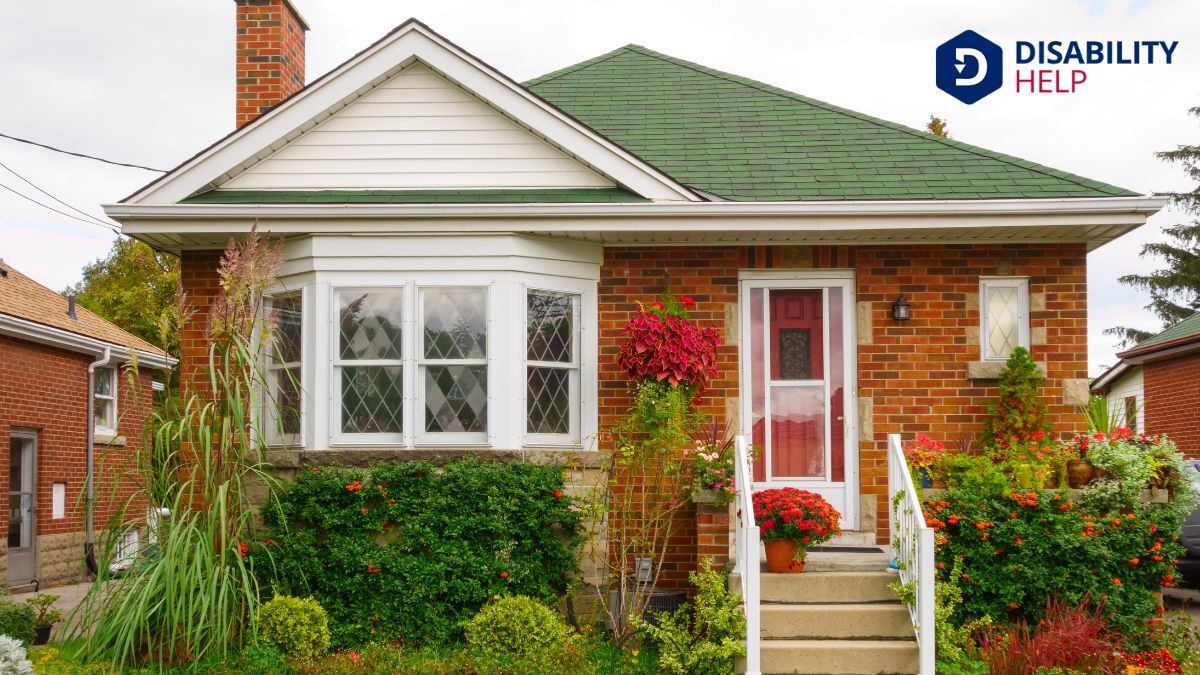
When you immerse yourself in the principles of accessible housing, you'll find that it's all about creating spaces that everyone can use independently and with ease.
AccessibilityThe design of products, devices, services, or environments to be usable by people with disabilities.... isn't just a buzzword; it's a commitment to inclusivity. You need to focus on ensuring that homes accommodate people with various abilities and needs.
Think about doorways wide enough for a wheelchair, lever-style door handles, and smooth, level surfaces. It's about removing barriers and promoting freedom of movement for everyone.
By understanding these principles, you're not just building structures; you're crafting environments that respect dignity and foster independence.
Key Features of Accessible Living Spaces
When considering accessible living spaces, you'll want to focus on essential accessibility features like wide doorways and grab barsBars installed in bathrooms or other areas to provide support and prevent falls for those with mobil... that enhance mobility and safety.
Inclusive designDesign that considers the needs of the widest range of users, including people with disabilities, fr... guarantees that everyone, regardless of ability, can navigate and enjoy the space comfortably.
Essential Accessibility Features
To create truly accessible living spaces, it's crucial to incorporate essential accessibility features that cater to a wide range of needs.
Start with wide doorways and hallways to accommodate wheelchairs and walkers. Install lever-style door handles and faucets for easier use. Lower light switches and thermostats so everyone can reach them comfortably.
Consider grab bars in bathrooms and non-slip flooring to prevent falls. Ramps and stairlifts can make multi-level homes navigable for those with mobility challenges.
Adequate lighting enhances visibility and reduces accidents. Guarantee kitchens have accessible countertops and appliances, making meal prep easier for everyone.
Inclusive Design Considerations
While designing accessible living spaces, think about inclusive design principles that guarantee everyone feels welcome and comfortable.
It's vital to create environments that address diverse needs and abilities. Here’s how you can achieve this:
- Wide Doorways and Hallways: Make sure spaces are easy to navigate for wheelchair users, allowing smooth and unobstructed movement.
- Adjustable Features: Incorporate adjustable counters, sinks, and shelves, so individuals of varying heights and abilities can use them with ease.
- Non-Slip Flooring: Use materials that reduce the risk of slips and falls, offering safety to everyone, especially those with mobility challenges.
- Clear Signage: Provide easy-to-read and well-placed signs, helping individuals with visual impairments or cognitive disabilities navigate the space confidently.
The Role of Technology in Accessible Housing
You can transform accessible housing through smart home integration, which allows residents to control their environment with ease.
Assistive devices have advanced, offering enhanced support for daily tasks.
Virtual reality applications also play a vital role in designing spaces that meet individual needs before construction begins.
Smart Home Integration
Harnessing the power of smart home technology greatly enhances the accessibility of housing for individuals with disabilities. By integrating smart devices, you can create a more inclusive environment tailored to specific needs.
Here’s how smart home integration can make a difference:
- Voice-Controlled Systems: Use voice commands to control lighting, temperature, and security, making it easier to manage your home without physical effort.
- Automated Lighting: Sensors and smart bulbs can automatically adjust lighting based on your presence, improving safety and comfort.
- Smart Appliances: Accessible smart ovens, refrigerators, and other appliances can be operated remotely, offering independence in daily tasks.
- Remote Monitoring: Smart cameras and sensors provide peace of mind by allowing caregivers to monitor your well-being from a distance.
Embrace these technologies to enhance your living experience.
Assistive Devices Advancement
Advancements in assistive devices are revolutionizing accessible housing by leveraging cutting-edge technology to improve the daily lives of individuals with disabilities.
You’ll find that modern devices such as smart wheelchairs, voice-activated assistants, and automated home systems are making living spaces more accommodating. These technologies offer greater independence and ease of use, allowing individuals to control their environment with simple commands or gestures.
Imagine adjusting the thermostat, turning on lights, or opening doors without needing physical effort. This evolution not only enhances independence but also guarantees safety.
As you explore accessible housing options, consider these advancements' impact on quality of life. By embracing innovative assistive devices, you empower yourself or your loved ones with improved accessibility and comfort in your home environment.
Virtual Reality Applications
Building on the impressive strides in assistive devices, virtual reality (VR) applications are further transforming accessible housing by offering immersive and interactive solutions.
You can explore potential living spaces and make informed decisions without physically visiting each location. VR lets you experience a home’s layout and design, guaranteeing it meets your accessibility needs before moving in.
Here's how VR enhances accessible housing:
- Virtual Tours: Walk through homes and evaluate their accessibility features, like ramps and wide doorways, from anywhere.
- Customization: Visualize modifications in real-time, tailoring spaces to your specific needs.
- Training Simulations: Practice daily tasks in a safe, virtual environment to build confidence and independence.
- Design Feedback: Collaborate with architects using VR to suggest changes that enhance accessibility.
These innovations guarantee more informed and inclusive housing choices.
Benefits of Accessible Housing for Diverse Populations
Although often overlooked, accessible housing offers significant benefits for diverse populations. You’ll find that it supports not just individuals with disabilities, but also the elderly, families with young children, and people recovering from injuries.
By providing spaces that accommodate varied needs, accessible housing promotes independence and dignity. It guarantees that everyone, regardless of physical ability, can move freely and safely within their homes.
You might notice that accessible housing also fosters inclusivity within communities. Removing barriers encourages social interaction and reduces feelings of isolation.
Additionally, it adds value to neighborhoods by making them more welcoming and diverse. As you explore housing options, consider the long-term benefits of accessibility, which go beyond mere convenience, enriching lives in profound ways.
Challenges and Solutions in Implementing Accessible Housing
While the benefits of accessible housing for diverse populations are clear, creating such environments comes with its own set of challenges. You might face limited resources and funding, making it tough to prioritize accessibility.
Additionally, there are regulatory hurdles that can slow down or complicate the construction process. However, understanding these obstacles is the first step toward overcoming them.
Here are some common challenges and potential solutions:
- Funding Limitations: Seek grants or partnerships with organizations focused on accessibility.
- Regulatory Barriers: Stay informed about current laws and work with experts to navigate bureaucratic processes.
- Design Constraints: Collaborate with architects experienced in accessible design to create innovative solutions.
- Community Resistance: Educate the community about the benefits of accessible housing to gain support.
The Future of Accessible Housing in Urban and Rural Areas
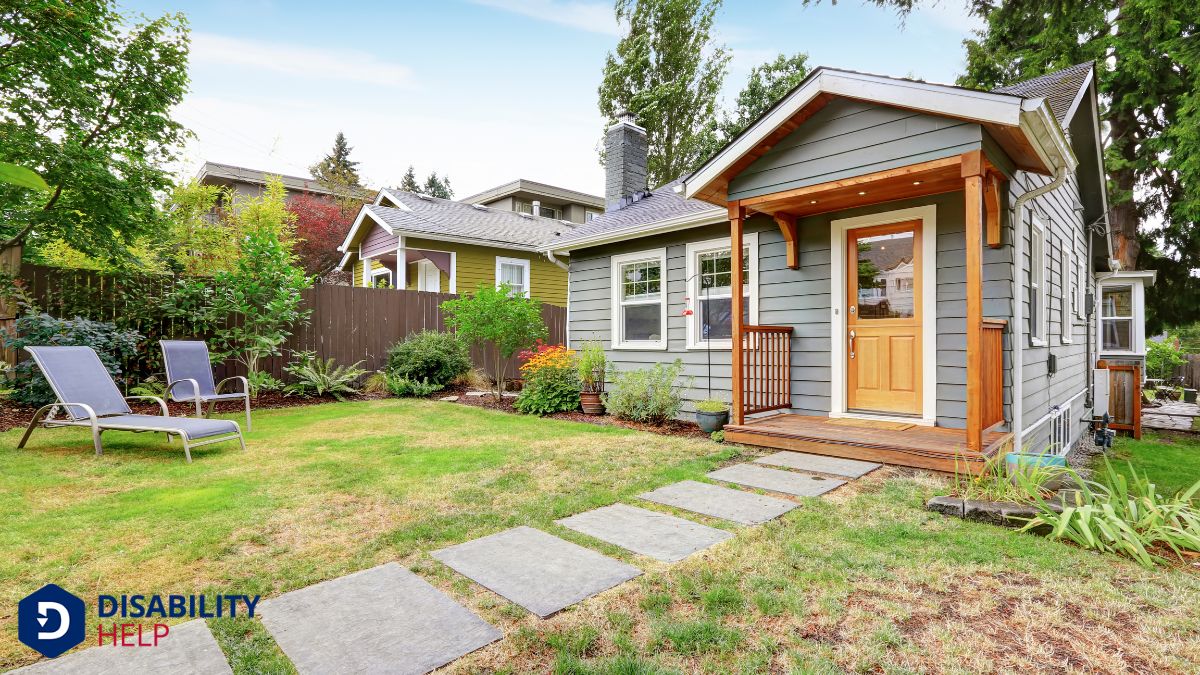
As we look to the future, accessible housing in both urban and rural areas holds immense potential to transform communities. You’ll find that innovations in design and technology can bridge existing gaps.
In cities, integrating smart home features and universal designThe design of products, environments, and services to be usable by all people, to the greatest exten... principles can make living spaces more adaptable for everyone. For rural areas, using local materials and inclusive infrastructure guarantees that accessibility doesn’t get overlooked.
You might wonder how policies play a role. They’re essential for incentivizing builders and guaranteeing compliance with accessibility standards.
Collaborating with local governments can lead to more effective, tailored solutions. By embracing these strategies, you’ll help create environments where everyone, regardless of ability, has the freedom to live comfortably and independently, enriching the entire community.
Conclusion
In accessible housing, you'll find spaces that cater to everyone's needs, fostering independence and dignity. With features like wide doorways and smart technology, these homes guarantee comfort and ease for individuals with diverse abilities. While challenges exist in implementation, solutions are emerging that make a significant difference. Embracing accessible housing means enhancing quality of life and building inclusive communities. As you look to the future, these principles will shape both urban and rural living environments.