
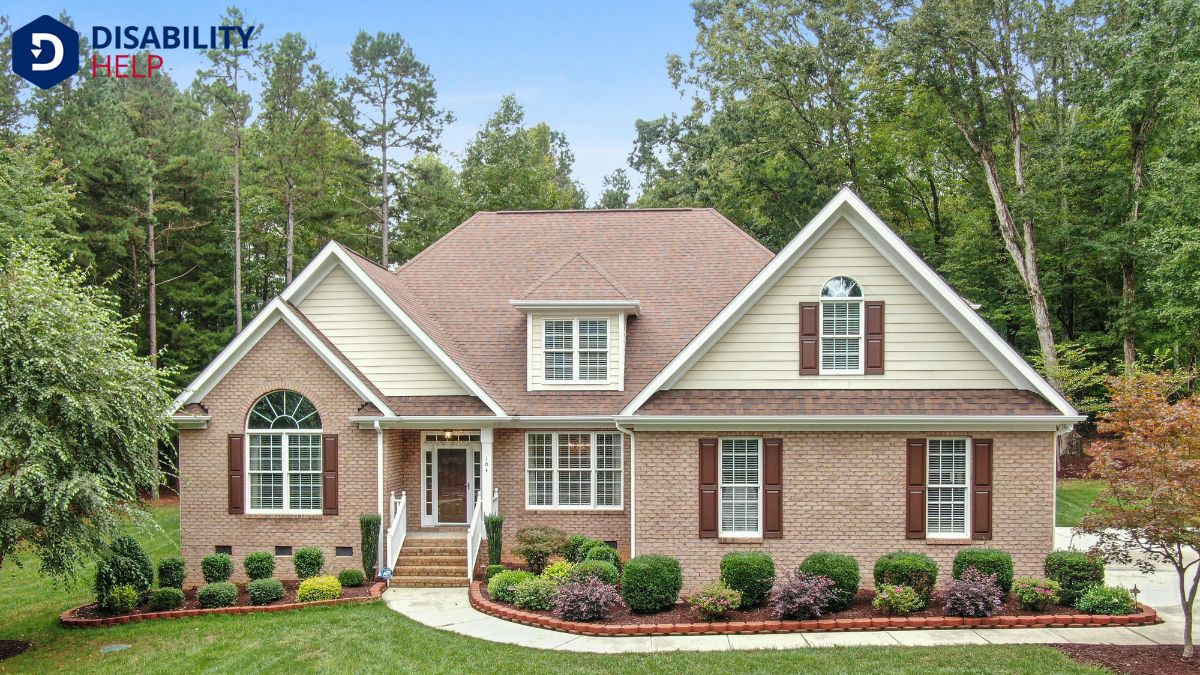
Living in accessible homes offers you a chance to experience a safer, more independent lifestyle. With features like wider doorways and smart technology, these homes cater to your needs, whether you're aging or living with a disability. They also enhance community engagement and can even boost your property's market value. Curious about how these benefits can transform your living experience and future-proof your home for changing needs?
Key Takeaways
- Accessible homes allow for easier movement and reduce the risk of injuries with features like wider doorways and non-slip flooring.
- They promote independence by accommodating mobility aidsDevices designed to help individuals move around more easily, such as canes, walkers, or wheelchairs... and incorporating smart home technology for minimal effort in controlling the environment.
- Aging in placeThe ability to live independently and safely in one's home as one ages, often with support services.... is supported with adaptable features like grab barsBars installed in bathrooms or other areas to provide support and prevent falls for those with mobil... and step-free entryways, reducing future renovation needs.
- AccessibilityThe design of products, devices, services, or environments to be usable by people with disabilities.... increases social inclusionThe practice of creating environments in which any individual or group can be and feel welcomed, res... by breaking down physical barriers, fostering community engagement and interaction.
- Enhancements boost market value and attract more buyers, making accessible homes desirable in the real estate market.
Enhancing Safety and Reducing Risks
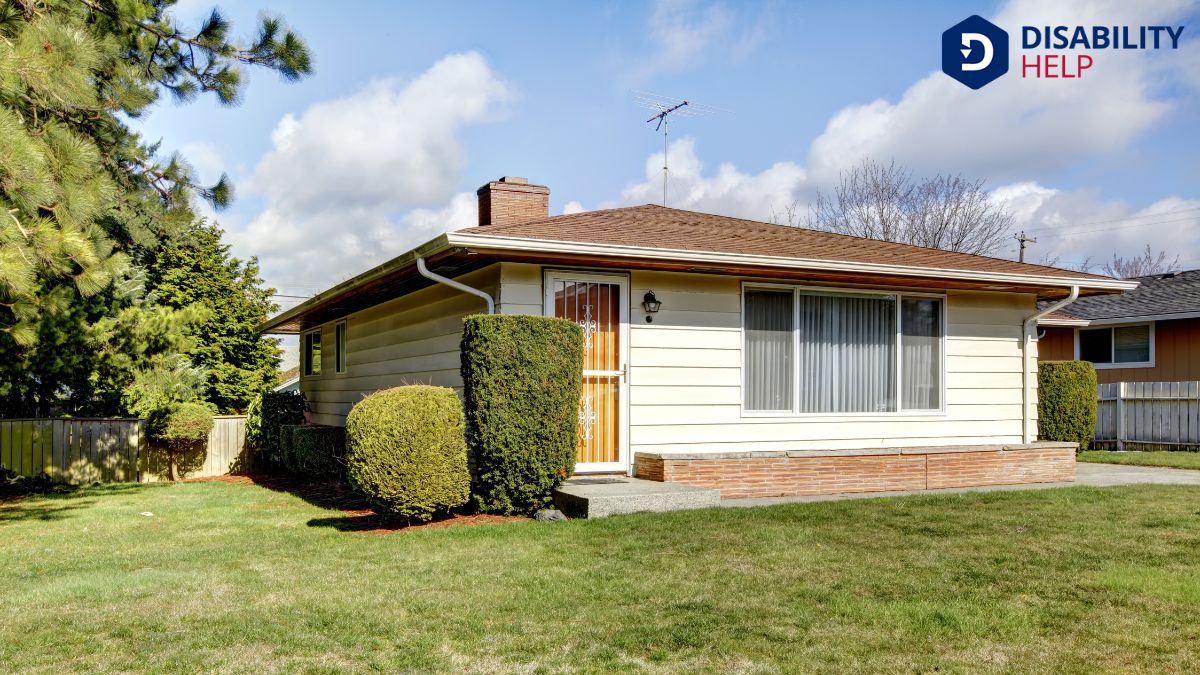
When you live in an accessible home, safety improvements are immediately evident, minimizing the risk of accidents.
You’ll notice wider doorways, which make moving around easier and prevent bumps or falls. Handrails in strategic locations provide support, especially on stairs or in slippery areas like bathrooms. These features guarantee stability and help you navigate your home confidently.
In kitchens, accessible design includes lower countertops and easily reachable shelves, reducing strain and the risk of injury. Non-slip flooring is another vital element, offering traction and reducing the chance of slipping.
Enhanced lighting in all areas of your home also plays an essential role, improving visibility and helping you avoid potential hazards. By incorporating these elements, your home becomes a safer environment for everyone.
Promoting Independence and Autonomy
Beyond enhancing safety, accessible homes empower you to live independently and maintain autonomy.
With thoughtful design features, you can navigate your space without assistance. Wider doorways accommodate wheelchairs and walkers, while lever-style handles negate the need for a firm grip. Ramps and stairlifts guarantee you access every part of your home easily. Lowered counters and adjustable shelves put everyday items within reach, allowing you to perform daily tasks more effortlessly.
You’ll find that voice-activated lighting and smart home technology further boost your ability to control your environment. These features help you manage your surroundings with minimal physical effort.
Supporting Aging in Place
When you choose an accessible home, you're investing in enhanced safety and improved mobility options, which are essential as you age in place.
These features allow you to maintain independence and enjoy greater comfort in your daily life. You can move around your home with ease and confidence, knowing it's designed to support your needs.
Enhanced Home Safety
While designing a home with accessibility features, you can greatly enhance safety, particularly for those planning to age in place. Installing grab bars in bathrooms, non-slip flooring throughout the house, and wider doorways can prevent accidents like slips and falls.
These modifications not only promote comfort but also considerably reduce injury risks. Additionally, proper lighting in hallways and staircases can help prevent tripping hazards, making your home a safer environment.
Accessible homes often include easy-to-reach switches and controls, allowing you to navigate your home effortlessly. By planning for safety, you’re creating a secure space that supports independence.
Embracing these features can provide peace of mind, knowing your home is equipped to handle the challenges of aging gracefully.
Improved Mobility Options
As you design your home with improved mobility options, you’ll find it considerably easier to navigate and maintain your daily routines.
Features like wider doorways and hallways, non-slip flooring, and strategically placed handrails enhance your ability to move freely and safely. These modifications support your desire to age in place without feeling restricted or dependent on others.
Installing ramps in place of stairs and opting for lever-style door handles instead of traditional knobs can make a significant difference in accessibility.
You’ll appreciate how these thoughtful adjustments reduce physical barriers, allowing you to move from room to room effortlessly. Enhanced mobility options not only make your home more functional but also contribute to a more inclusive and welcoming environment for everyone.
Independence and Comfort
Living in a home designed for accessibility gives you the freedom to maintain your independence and enjoy a comfortable lifestyle. You won't need to rely on others for daily tasks, which boosts your confidence.
Features like wider doorways, step-free entrances, and adjustable countertops make maneuvering your space easier and safer. This design allows you to age in place, staying in the home you love without major adjustments.
With accessible features, comfort becomes a natural part of your routine. You'll find it easier to reach things without stretching or straining, reducing the risk of injury.
The thoughtful design of accessible homes guarantees you're not only safe but also comfortable, making daily life more enjoyable. By choosing such a home, you're investing in your future well-being.
Encouraging Social Inclusion and Interaction
When you live in an accessible home, you break down physical barriers that often isolate individuals from their communities.
By ensuring everyone can enter and navigate spaces easily, you foster a more inclusive environment where neighbors can engage and connect.
This increased interaction not only strengthens community ties but also enriches your social experiences.
Breaking Physical Barriers
While physical barriers can often limit social interactions, accessible homes transform these challenges into opportunities for inclusion. By designing spaces that cater to everyone's needs, you create an environment where physical limitations no longer hinder participation.
Imagine a home where doorways accommodate wheelchairs, light switches are reachable for all, and ramps replace stairs. These thoughtful changes invite friends and family, regardless of mobility, to gather comfortably.
In accessible homes, you foster a sense of belonging. When people feel included, they're more likely to engage and interact. You witness connections strengthening as physical obstacles disappear.
Accessible design isn't just about practicality; it's about embracing diversityThe inclusion of individuals from a wide range of backgrounds, including people with disabilities. and creating spaces where everyone feels welcome. You break down barriers, ensuring social inclusion becomes a natural part of everyday life.
Fostering Community Engagement
Although creating accessible homes starts with physical adaptations, the impact reaches far beyond the walls of a house. As you make your home more inclusive, you’re not just benefiting yourself; you’re fostering a sense of belonging within your community.
It becomes easier for friends and neighbors of all abilities to visit, interact, and participate in social events. You’re encouraging diversity and inclusion by showing that everyone is welcome.
When you break down physical barriers, you also break down social ones. You’re creating opportunities for interaction and understanding among people who mightn't have connected otherwise.
This can lead to stronger community ties and a more supportive environment. By prioritizing accessibility, you’re not just improving your living space, you’re enriching your entire neighborhood.
Future-Proofing for Changing Needs
In today's rapidly evolving world, future-proofing your home is essential to accommodate changing needs. By designing an accessible home, you guarantee it adapts seamlessly to life's changes.
Whether you're planning for aging in place or welcoming a family member with mobility challenges, an accessible home grows with you.
Consider integrating features like wider doorways, step-free entryways, and lever-style door handles. These modifications aren't just practical—they're forward-thinking.
As your needs change, you won't face costly renovations or the stress of moving.
Embrace technology, too. Smart home systems can make daily tasks easier and enhance safety.
With a bit of foresight, you create a space that's not only comfortable today but ready for whatever tomorrow brings. Future-proofing keeps life simple and stress-free.
Increasing Property Value and Appeal
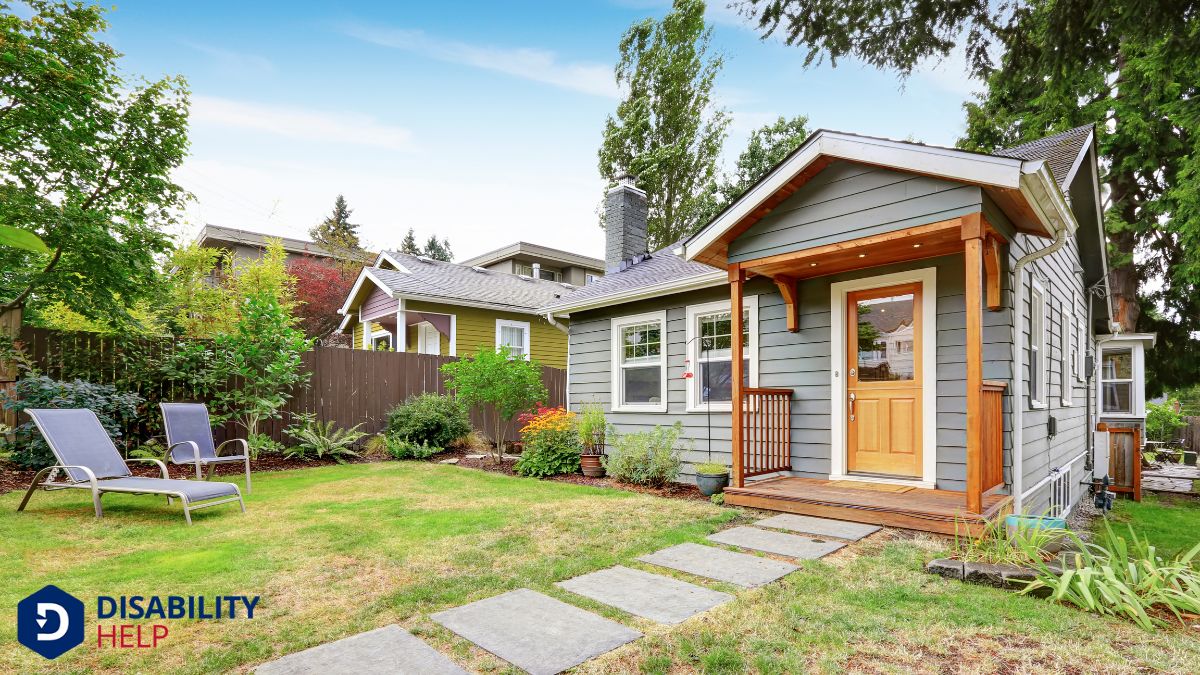
When you invest in making your home accessible, you're not only improving its functionality but also boosting its market value and appeal.
Potential buyers often look for homes that offer ease of movement and convenience, making accessible features a significant selling point. Features like ramps, wider doorways, and accessible bathrooms cater to a broader audience, including the elderly and individuals with mobility challenges. By removing barriers, you open your home to more potential buyers, increasing its desirability.
Moreover, accessible homes tend to stand out in the real estate market.
Modern homebuyers appreciate thoughtful design that anticipates future needs, offering both peace of mind and practicality. As a result, investing in accessibility can lead to quicker sales and potentially higher offers, maximizing your return on investment.
Conclusion
Living in an accessible home greatly benefits you by enhancing safety and promoting independence. You'll enjoy the freedom to age in place while staying connected to your community. These homes adaptA grassroots disability rights organization in the U.S. that focuses on promoting community-based se... to your changing needs, ensuring comfort and practicality for the long term. Plus, investing in accessibility boosts your property's value and appeal. Ultimately, an accessible home not only enriches your quality of life but also guarantees a welcoming environment for everyone.