When we think about health and wellness, it’s essential to move beyond traditional definitions and consider how people with disabilities can thrive. While misconceptions persist, personalized care and adaptive strategies open doors to a fulfilling life. By embracing resilienceThe ability of individuals with disabilities to cope with and adapt to challenges and adversity. and innovation, we find that good health is possible for everyone. So, what role do community, technology, and inspiring stories play in shaping this narrative? Let's explore these elements together.
Key Takeaways
- Individuals with disabilities can achieve good health through personalized care and adaptive strategies tailored to their needs.
- Health encompasses physical, mental, and social well-being, which can be pursued regardless of ability.
- Adaptive sportsSports that are adapted to meet the needs of individuals with disabilities, allowing them to partici... and inclusive fitness programs support active lifestyles for individuals with disabilities.
- Technology, such as wearable devices and telehealth, enhances health management and independence.
- Inspiring stories from the disability community highlight resilience and redefine wellness possibilities.
Understanding the Definition of Health and Wellness
When we talk about health and wellness, it’s essential to recognize that these terms encompass more than just the absence of illness. They represent a holistic state of being that includes physical, mental, and social well-being.
Understanding this broader definition helps us acknowledge that people with disabilities can achieve good health and wellness by focusing on their unique abilities and needs.
We must consider health as a dynamic process, not a fixed state. It involves personal growth, maintaining relationships, and finding balance in daily life.
Everyone, regardless of ability, has the right to pursue a fulfilling life. By embracing an all-encompassing view of health and wellness, we can better support people with disabilities in leading empowered and enriched lives.
Let's work together to redefine these concepts inclusively.
Common Myths About Disabilities and Health
Let's address some common myths about disabilities and health that continue to mislead many of us.
These misconceptions can negatively impact the well-being of people with disabilities by perpetuating stereotypes and limiting access to appropriate care.
Debunking Disability Health Myths
How often do we hear myths about disabilities and health that simply aren't true? These misconceptions can shape perceptions, so let's set the record straight.
One myth suggests that people with disabilities can't lead healthy lives. In reality, health doesn’t solely depend on physical ability. It's about holistic well-being, including mental, emotional, and social aspects.
Another myth is that disabilities always come with chronic painLong-lasting pain that persists beyond the usual recovery period or occurs along with a chronic heal.... While some might experience pain, it’s not a universal truth for all disabilities.
We also hear that individuals with disabilities can't be active. Many engage in adaptive sports or activities tailored to their abilities.
Misconceptions Impacting Wellness
Although misconceptions about disabilities and health persist, they can greatly impact the wellness journey of individuals with disabilities.
We often hear myths like, "People with disabilities can't be healthy or fit," or "They don’t need regular health check-ups." These beliefs aren't only false but also harmful. They can lead to neglect of essential health practices and create barriers to accessing healthcare.
We must challenge these myths and advocate for a more inclusive understanding of wellness. Health isn't a one-size-fits-all concept. Everyone, regardless of ability, deserves the opportunity for a healthy life.
The Role of Personalized Care in Achieving Wellness
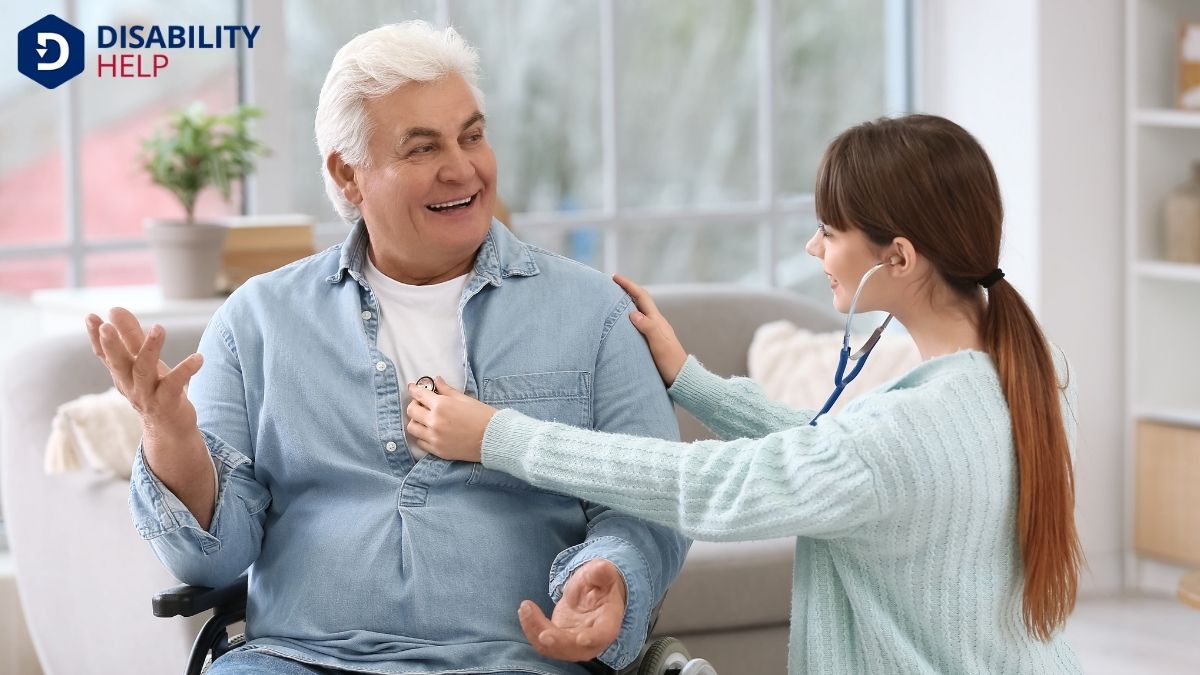
Let's explore how personalized care can greatly enhance wellness for individuals with disabilities.
By focusing on tailored health plans and individualized support systems, we create a foundation that respects each person's unique needs.
Customized treatment approaches empower us to address specific challenges, ultimately fostering a healthier and more fulfilling life.
Tailored Health Plans
When it comes to health and wellness for people with disabilities, personalized care plays an essential role in achieving ideal results.
It's vital we recognize the importance of tailored health plans designed specifically for individual needs. These plans consider unique challenges and focus on enhancing strengths. By doing so, we create a supportive environment that promotes overall well-being.
A one-size-fits-all approach doesn't work because each of us has distinct health requirements. Tailored health plans enable us to address specific medical needs, dietary preferences, and physical activities.
They encourage us to take an active role in our wellness journey, fostering empowermentThe process of gaining control, authority, and power over one’s life, often used in the context of i... and independence. Let’s embrace personalized care as a pathway to achieving optimal health outcomes, realizing our potential, and improving our quality of life.
Individualized Support Systems
Understanding the importance of individualized support systems is essential in our journey toward wellness. When we seek personalized care, we're acknowledging that each of us has unique needs and strengths.
By embracing this perspective, we recognize that a one-size-fits-all approach simply won't work. We must build a support system tailored to our individual circumstances, including input from healthcare professionals, family, and friends who understand our specific challenges and goals.
These systems empower us to make informed decisions about our health. They provide us with the resources and encouragement we need to thrive.
Customized Treatment Approaches
Although the journey to wellness is deeply personal, customized treatment approaches are essential in meeting our unique health needs. We all have different bodies, lifestyles, and challenges, so a one-size-fits-all approach often falls short.
Personalized care considers our specific circumstances, allowing medical professionals to tailor treatments that align with our goals and situations. By focusing on what works best for each of us, we can optimize our health outcomes.
Incorporating our preferences and values into treatment plans fosters a sense of control and empowerment. When we feel heard and understood, we’re more likely to engage in our own care.
Customized approaches encourage collaboration between us and our healthcare providers, creating a supportive environment that enhances our overall wellness journey.
Physical Health: Adaptive Strategies and Resources
Charting the path to physical health can be more manageable and rewarding for people with disabilities when we embrace adaptive strategies and resources tailored to individual needs.
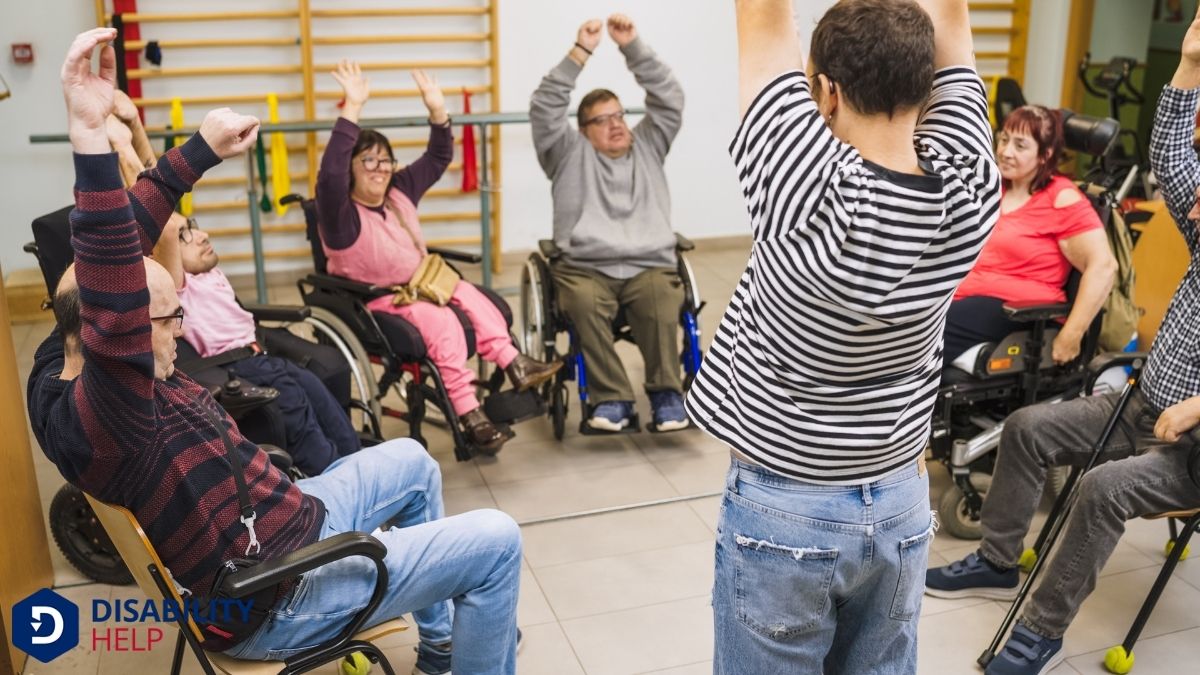
By focusing on personalized approaches, we can guarantee that exercise and physical activity are accessible and enjoyable. Tools like adaptive equipmentDevices that assist individuals with disabilities in performing ADLs, such as grab bars or shower ch... and modified exercise routines help us engage in activities that suit our abilities. For instance, using a handcycle or accessible gym equipment can make cardiovascular workouts possible.
We should also explore community resources such as inclusive fitness programs or support groups, which can offer guidance and motivation. Collaborating with healthcare professionals who understand our unique needs plays an essential role in developing effective health plans.
Together, we can achieve physical wellness and improve our quality of life.
Mental Health: Overcoming Barriers and Building Resilience
When facing mental health challenges, particularly as individuals with disabilities, we often encounter unique barriers that require creative solutions and resilience.
While these obstacles may seem intimidating, resilience is within our reach. It's essential that we acknowledge our experiences and take actionable steps toward mental wellness.
Here's how we can begin:
- Identify Triggers: Recognize the situations or environments that might exacerbate stress or anxiety. Understanding these can help us manage them better.
- Practice Mindfulness: Engage in activities like meditation or deep breathing. These practices ground us and foster mental clarity.
- Seek Professional Help: Therapists or counselors specializing in disabilities can offer tailored strategies for coping.
- Develop a Routine: Consistency in daily activities provides a sense of control and stability, which is crucial for mental health.
Together, we can build resilience and thrive.
Social Well-Being: The Power of Community and Inclusion
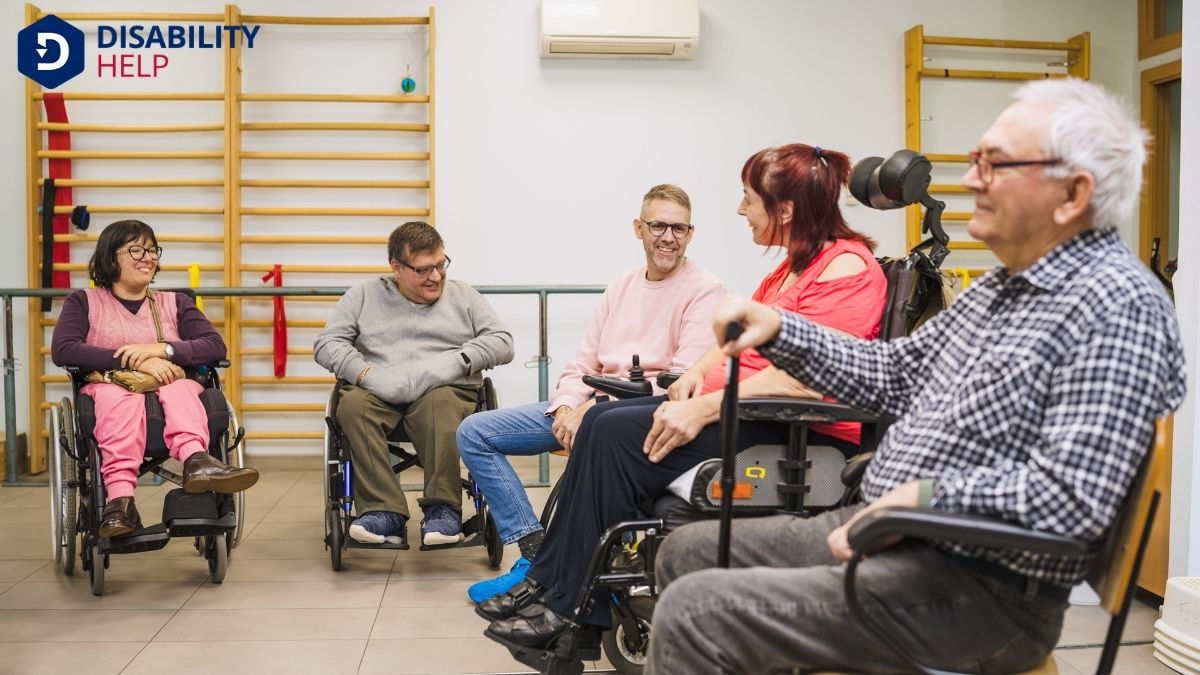
How can we truly thrive without the power of community and inclusionThe practice of creating environments in which any individual or group can be and feel welcomed, res...? For people with disabilities, being part of a supportive network is essential. It means more than just having friends; it’s about belonging to a space where we’re valued and accepted.
Inclusion fosters confidence, encourages participation, and helps us feel less isolated. When we connect with others, we share experiences, build empathyThe ability to understand and share the feelings of another, particularly important in understanding..., and create meaningful relationships.
Our communities must prioritize accessibilityThe design of products, devices, services, or environments to be usable by people with disabilities.... and inclusion, ensuring everyone can participate fully. When we engage in community life, we contribute our unique strengths and perspectives.
Together, we break down barriers and promote understanding. Let’s advocate for inclusive spaces and support systems that empower individuals, because when we lift each other up, we all grow stronger.
The Impact of Technology and Innovation on Disability Health
As technology rapidly evolves, it reshapes the landscape of disability health, offering innovative solutions that enhance our quality of life.
We see remarkable advancements that empower us to lead healthier, more independent lives. Here are a few transformative innovations:
- Wearable Devices: These devices monitor essential signs, track physical activity, and even provide reminders for medication, helping us manage health more effectively.
- Smart Home Technology: Voice-activated assistants and automated systems enable greater independence by controlling lighting, temperature, and other home functions.
- Assistive Apps: Specialized applications improve communication, navigation, and daily tasks, breaking down barriers that once seemed insurmountable.
- Telehealth ServicesThe use of telecommunication technology to provide healthcare and rehabilitation services remotely, ...: Virtual consultations provide accessible healthcare, reducing the need for travel and facilitating regular medical check-ups.
Embracing these technologies, we reveal potential for better health and wellness.
Inspiring Stories of Health and Wellness in the Disability Community
Inspiration thrives within the disability community, where everyday individuals overcome challenges and redefine health and wellness on their terms. We’ve seen stories that remind us of resilience and strength.
Consider Sarah, a wheelchair athlete who shattered barriers by completing a marathon, proving physical limitations don't dictate one's potential. Then there's Mark, who, despite his hearing impairmentA loss or abnormality of a body structure or function, whether physical, mental, or sensory, often a..., mastered yoga and now teaches others, fostering inclusivity in wellness spaces. Their stories motivate us to rethink what's possible.
We find power in shared experiences. These narratives challenge stereotypes and celebrate capabilities, not limitations. They encourage us to support each other and create environments where everyone can thrive.
Let’s celebrate these triumphs and let them inspire our journeys toward health and wellness.
Conclusion
In embracing a holistic approach to health and wellness, we can focus on our unique abilities and needs. By debunking myths and leveraging personalized care, adaptive strategies, and the support of our communities, we can achieve physical and mental well-being. Let’s celebrate the resilience within the disability community and the power of inclusive practices. Together, we can create a future where everyone has the tools and opportunities to lead fulfilling, healthy lives.