
You're probably wondering how disability can play a role in securing housing. With various legal protections and financial support programs, you might find that disability can indeed assist you in this vital aspect of life. From the Fair Housing Act to Social Security benefits, multiple avenues exist to help you find a home that meets your needs. Curious about how these resources can be accessed and applied to your situation?
Key Takeaways
- Disability benefitsFinancial assistance provided to individuals who are unable to work due to a disability, such as Soc... like SSDI and SSI provide supplemental income to assist with housing costs.
- Government programs offer grants and loans for home modifications to improve accessibilityThe design of products, devices, services, or environments to be usable by people with disabilities.....
- Non-profit organizations help individuals with disabilities navigate housing applications and secure suitable accommodationsModifications or adjustments in healthcare settings to support patients with disabilities..
- The Fair Housing Act requires landlords to make reasonable accommodations for tenants with disabilities.
- Accessible housing grants are available to fund modifications, ensuring homes meet specific mobility needs.
Understanding Housing Challenges for Individuals With Disabilities

Maneuvering the housing landscape can be particularly challenging for individuals with disabilities due to a myriad of barriers. You might face physical obstacles, such as stairs or narrow doorways, making it difficult to find appropriate accommodations.
Additionally, financial constraints often complicate your search, as accessible housing can be more expensive and scarce. Landlords may lack understanding of your needs, leading to discrimination or reluctance to make necessary modifications.
Even if you find a suitable place, long waiting lists can hinder your ability to move in promptly. It's essential to understand these challenges, as they highlight the importance of advocating for increased accessibility and inclusivity in housing.
Government Programs Supporting Accessible Housing
You're likely aware that accessible housing is essential for individuals with disabilities, and government programs are here to help.
These include accessible housing grants, rental assistance programs, and home modification support, each designed to promote independence and comfort.
Understanding these resources can be your first step toward securing a more accessible living environment.
Accessible Housing Grants
Although finding a suitable home can be challenging for individuals with disabilities, government programs offering accessible housing grants provide essential support.
These grants help you modify your home to meet specific accessibility needs, ensuring a safer and more comfortable living environment. By applying for these grants, you can receive financial assistance for installing ramps, widening doorways, or adding grab barsBars installed in bathrooms or other areas to provide support and prevent falls for those with mobil....
To get started, research available programs like the Supportive Housing for Persons with Disabilities (Section 811) or the Specially Adapted Housing (SAH) Grant.
Each program has its own eligibility criteria, so it's important to understand what's required. Don't hesitate to contact local housing authorities or consult government websites for guidance.
Securing an accessible home can greatly enhance your quality of life.
Rental Assistance Programs
Beyond modifying your existing home, securing a suitable rental property is another concern for individuals with disabilities. You might wonder how rental assistance programs can support your search. Programs like the Housing Choice Voucher Program (Section 8) can help make housing more affordable by subsidizing a portion of your rent. This program guarantees you find housing that meets accessibility needs without the financial burden.
Additionally, you can explore the Supportive Housing for Persons with Disabilities program (Section 811). It provides affordable rental opportunities while promoting independence.
Keep in mind that local public housing agencies (PHAs) manage these programs, so you'll need to apply through them. They can guide you through the application process and help you understand eligibility requirements, assuring you find a suitable home.
Home Modification Support
When managing the challenges of making your home more accessible, government programs can provide essential support for home modifications. Programs like the Department of Housing and Urban Development (HUD) offer grants and loans to help cover modification costs. These funds can assist with installing ramps, widening doorways, or updating bathrooms for accessibility.
You might also explore the USDA's Rural Development program if you live in a rural area. They offer loans and grants for low-income individuals to improve home safety and accessibility.
Additionally, your local government may have resources or initiatives designed to support accessible housing. Check with local housing authorities or agencies focused on disability services.
Don't hesitate to reach out, as these programs can greatly ease your financial burden.
The Role of Social Security Benefits in Housing
Social Security benefits can play an essential role in helping individuals with disabilities secure stable housing. These benefits provide a financial safety net that can ease housing-related burdens.
Here's how they can help:
- Supplemental Income: Social Security Disability Insurance (SSDI)A U.S. government program that provides financial assistance to individuals who are unable to work d... and Supplemental Security Income (SSI) offer monthly payments that can contribute to rent or mortgage costs.
- Utility Assistance: With extra funds, you can cover utility bills, ensuring a comfortable living environment.
- Accessible Housing: Financial support from benefits allows you to choose housing that meets accessibility needs, improving daily living.
- Financial Stability: Regular payments can help you budget effectively, reducing housing insecurity and providing peace of mind.
Understanding how Social Security benefits work is vital to leveraging them for housing stability.
Non-Profit Organizations Offering Housing Assistance
Although maneuvering the complexities of housing can be intimidating, non-profit organizations play an indispensable role in providing assistance to individuals with disabilities. They bridge gaps in housing access by offering resources and support tailored to your specific needs.
These organizations often provide guidance on steering through housing applications, advocate for your rights, and connect you with affordable housing options. By tapping into their services, you can find a community of support that understands your challenges and works to alleviate them.
Organizations like Habitat for Humanity and The Arc are dedicated to improving living conditions for people with disabilities. They might offer services like home modifications or temporary housing solutions.
It's vital to reach out to these non-profits for information on available programs, ensuring a more stable housing situation for yourself.
Accessible Housing Grants and Loans
If you're looking for financial help to make your home more accessible, grants and loans could be a great option.
Understanding your eligibility for housing assistance is essential, and the application process can vary depending on the program.
It's important to gather the necessary documentation and follow the specific steps to increase your chances of approval.
Eligibility for Housing Assistance
Are you wondering how you can qualify for housing assistance, especially when it comes to accessible housing grants and loans? Understanding the eligibility criteria can make a significant difference in your journey.
Here are key factors to take into account:
- Income Level: Your income should fall within the specified limits set by the program.
- Disability Status: Proof of disability is often required to access specialized housing assistance.
- Residency Requirements: You may need to demonstrate residency within a particular area or state.
- Housing Need: Evidence of your need for accessible housing, such as a lack of suitable current accommodations, is essential.
Application Process for Grants
Once you’ve determined your eligibility for housing assistance, the next step is to navigate the application process for accessible housing grants and loans.
Begin by gathering necessary documents, such as proof of income, disability status, and identification. Visit the appropriate government agencyThe capacity of individuals with disabilities to act independently and make their own choices.’s website to find application forms and guidelines specific to your area. Pay close attention to deadlines and required documentation to avoid delays.
Contact a housing counselor if you need assistance understanding the forms or requirements—they can offer valuable guidance.
Submit your completed application with all the requested information, and keep a copy for your records. Follow up on your application’s status regularly. Being proactive and organized increases your chances of securing the assistance you need for accessible housing.
Legal Rights and Protections in Housing
Maneuvering the world of housing can be challenging, especially when understanding your legal rights and protections as a person with a disability.
Knowing your rights guarantees you’re treated fairly and can access suitable housing. Here are some key protections:
- Fair Housing Act (FHA)A U.S. law that prohibits discrimination in housing based on disability, race, color, religion, sex,...: Prohibits discrimination based on disability. Landlords must make reasonable accommodations.
- Americans with Disabilities Act (ADA)A U.S. law that prohibits discrimination against individuals with disabilities in all areas of publi...: Guarantees accessibility standards in public and common areas of housing.
- Section 504A provision of the Rehabilitation Act of 1973 that prohibits discrimination based on disability in p... of the RehabilitationThe process of helping individuals with disabilities achieve and maintain their optimal physical, se... Act: Applies to federally funded housing, requiring non-discriminatory practices.
- Reasonable Modifications: You can make necessary changes to your living space at your expense.
Understanding these rights empowers you to advocate for yourself and secure housing that meets your needs.
Don’t hesitate to seek legal advice if needed.
Innovative Housing Solutions for People With Disabilities
While maneuvering through the complexities of the housing market, it's crucial to explore innovative solutions that cater specifically to the needs of people with disabilities.
You can consider smart home technology, which enhances accessibility and independence. Voice-activated systems can control lighting, temperature, and security, making daily tasks easier.
Modular homes offer flexibility, allowing customizable designs that accommodate specific mobility needs. These homes can be adapted over time as requirements change, ensuring long-term suitability.
Collaborative housing models, like co-housing communities, foster inclusivity and shared resources. These environments encourage mutual support among residents, enhancing your quality of life.
Additionally, public-private partnerships are increasingly providing affordable, accessible housing solutions. By staying informed and open to these innovations, you can find housing that truly fits your unique needs.
Community Resources and Support Networks
Maneuvering the world of housing can be challenging, but tapping into community resources and support networks can make a significant difference.
You'll find that these networks not only provide guidance but can also connect you with valuable opportunities. Here are some resources to contemplate:
- Local Disability Organizations: They often offer housing assistance and can direct you to accessible housing options.
- Support Groups: Connecting with others who share similar experiences can provide emotional support and valuable advice on maneuvering housing challenges.
- Non-Profit Housing Services: These organizations can help you identify affordable housing solutions tailored to your needs.
- Government Programs: Look into federal or state programs that offer financial assistance or housing vouchers for individuals with disabilities.
Tips for Navigating the Housing Market With a Disability
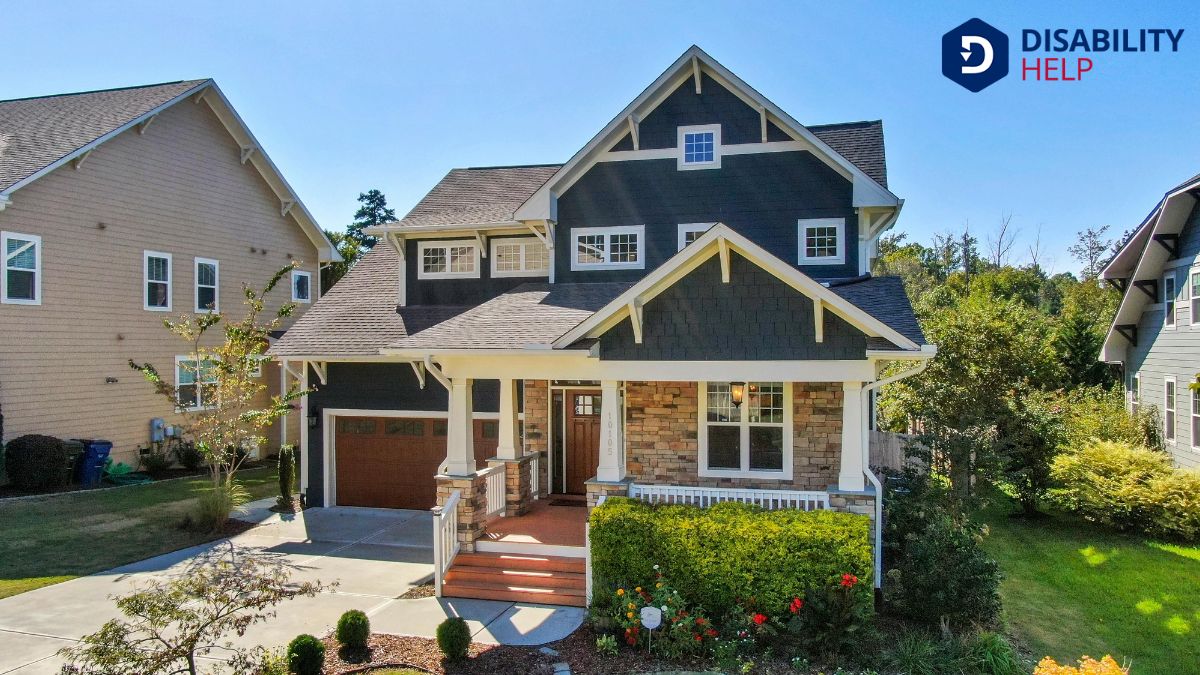
After exploring community resources and support networks, it's important to focus on practical strategies for traversing the housing market with a disability.
Start by identifying your specific needs and priorities. Consider accessibility features essential for your daily life, like ramps, wide doorways, or a ground-floor location. Research housing options that offer these features, and don't hesitate to ask landlords or real estate agents for accommodations you require.
Utilize online platforms and local agencies that specialize in disability-friendly housing. Attend open houses and ask direct questions about accessibility.
Be prepared to advocate for yourself and communicate your needs clearly. Networking with others in the disability community can provide valuable insights and recommendations.
Stay organized, persistent, and proactive throughout your housing search journey.
Conclusion
Maneuvering the housing market with a disability can be challenging, but you're not alone. Take advantage of legal protections like the Fair Housing Act and Americans with Disabilities Act, which guarantee your right to accessible accommodations. Explore resources from government programs, non-profits, and community support networks. Don't forget to take into account Social Security benefits and accessible housing grants that can offer financial aid. With these tools, you're empowered to find a home that meets your unique needs.