It should come as no surprise that the United States' population is aging.
The proportion of the population aged 65 and older increased from 12.4% in 2004 to 18.0% in 2024, according to the United States Census Bureau. The median age also rose from 35.6 in 2001 to 39.4 in 2025.
So, what is the significance of an aging population?
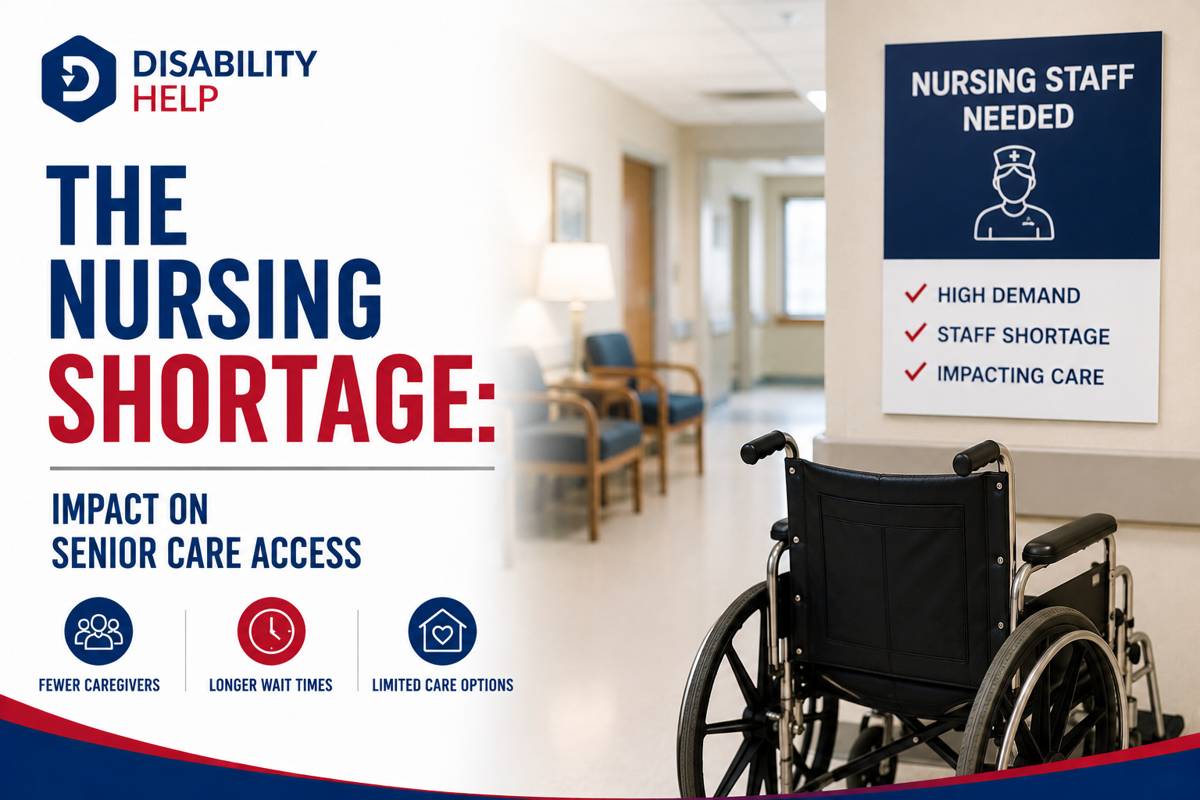
As the general population ages, the demand for nurses grows. The U.S. Bureau of Labor Statistics projects that registered nurse (RN) employment will grow by 5% from 2024 to 2034, faster than the average for many occupations. Over the decade, this growth rate translates into about 189,100 RN openings each year—many of which will result from the need to replace retired nurses.
As the nursing workforce reaches retirement age and requires care themselves, who will be left to care for the broader aging population?
Healthcare Workforce Crisis and Quality of Care for Seniors
The National Center for Health Workforce Analysis projects an estimated shortage of 250,970 registered nurses in 2030. This gap is particularly concerning for geriatric careHealthcare specifically for older adults, addressing the unique medical needs of aging populations., which often offers lower pay and less prestige than acute hospital roles, even though the work can be more complex because of chronic conditions and dementiaA group of conditions characterized by impairment of at least two brain functions, such as memory an....
The pipeline of new nurses is also under pressure. According to the American Association of Colleges of Nursing (AACN), U.S. nursing schools turned away 80,162 qualified applications to baccalaureate and graduate programs in 2024 due to faculty shortages, limited clinical sites, and budget constraints, even as many regions face nursing shortages.
At the same time, nearly a quarter of RNs in outpatient and ambulatory settings report that they have retired or plan to retire within 5 years, and more than 1 million RNs are projected to retire by 2030.
Burnout is fueling additional exits: surveys show that more than half of nurses have considered leaving their positions due to insufficient staffing, stress, and a sense of being unable to provide the level of care they believe patients deserve.
The Nursing Shortage Can Limit Care Access for Families
For families, one of the most visible symptoms of the nursing shortage is that facilities sometimes leave licensed beds empty because they cannot meet state‑mandated patient-to-staff ratios or minimum hours per resident day (HPRD).
When facilities cannot staff at the mandated levels, they may limit admissions, leading to longer waitlists, delayed hospital discharges, and fewer options for families seeking skilled nursing or memory care.
Short staffing also makes care more expensive to deliver. To cover open shifts, many nursing homes and assisted living communities rely on overtime or temporary staffing agencies, both of which come at a premium cost.
Over time, these higher labor costs can lead to rising monthly fees for residents, putting additional pressure on families already worried about whether their savings will last through retirement.
In rural areas, the situation can be even more acute. According to the National Rural Health Association (NRHA), between 2008 and 2018, 472 rural nursing homes closed, and about 10.1% of rural counties lost their only nursing home, leaving many communities without local access to elder care.
Post-pandemic economic pressures have only accelerated the trend of nursing home closures. Nursing staff often migrate to higher‑paying urban centers, leaving small towns struggling to attract and retain nurses.
How Does the Shortage Impact Quality of Care and Continuity?
Beyond access, staffing levels directly affect the quality of care for seniors. When experienced nurses retire or leave, facilities lose institutional knowledge—the deep understanding of long‑time residents’ routines, subtle behavior changes, and family preferences that helps prevent problems before they escalate.
New or temporary staff may be clinically competent but lack the history with residents that makes care feel personal, safe, and predictable.
High turnover can be emotionally difficult for older adults, especially those with cognitive impairmentA loss or abnormality of a body structure or function, whether physical, mental, or sensory, often a... who rely on familiar faces to feel secure. Studies in hospitals and other settings have consistently found that higher nurse staffing levels are associated with the following:
- Lower mortality
- Fewer complications
- Fewer infections
- Shorter stays
- Fewer readmissions
Conversely, higher patient‑to‑nurse ratios and nurse burnout are linked to increased falls, more medication errors, and higher rates of hospital‑acquired infections, all of which are especially dangerous for frail older adults. For families, this means that staffing levels and stability are not just operational details—they are core indicators of safety and quality.
Strategies for Facilities and Families
Both senior living communities and families have important roles to play in navigating the nursing shortage and protecting access to safe, high‑quality senior care.
What Can Facilities Do?
Many organizations are moving toward a hybrid staffing approach: blending core full‑time staff with flexible, tech‑enabled scheduling and on‑demand clinicians.
Instead of relying solely on rigid rotating shifts, facilities can offer more flexible hours, self‑scheduling tools, and part‑time or seasonal roles that keep skilled nurses in the workforce who might otherwise leave entirely. This can reduce burnout and help cover weekends, nights, and holidays without overburdening a small staff team.
Technology can also play a supportive role. Telehealth consultations, remote vital‑sign monitoring, and fall‑detection systems can extend the reach of on‑site teams, especially in rural or hard‑to‑staff locations. However, they are meant to supplement—not replace—bedside care.
Many communities are also turning to flexible healthcare staffing solutions that connect them with local, credentialed per diem nurses and aides in real time to fill last‑minute gaps. On-demand healthcare staffing platforms like Nursa help facilities stabilize patient‑to‑staff ratios quickly while maintaining control over quality and safety standards.
What Can Families Do?
Families can take practical steps when evaluating a senior living or skilled nursing community. During a tour, consider asking:
- What are your average patient‑to‑staff ratios on days, evenings, and nights?
- How often do you rely on overtime or temporary/agency staff to cover staffing gaps?
- What is your staff turnover rate, and how long have your nurses and aides worked here on average?
- How do you support staff well‑being and prevent geriatric caregiver burnout?
- How do you ensure continuity? Will my loved one see the same caregivers most days?
You can also ask how the facility communicates staffing changes and how quickly they respond if your loved one’s needs increase. These questions can open a conversation about how the organization is navigating the broader healthcare workforce crisis while protecting the quality of care for seniors.
The Future of Senior Care
Demographic trends suggest that these pressures will continue. As life expectancy improves and the longevity gap between men and women narrows, more people will spend time with aging parents and grandparents, and extended families will span more generations.
Federal analysts note that an aging population can increase pressure on skilled nursing facilities, healthcare workers, and the dependency ratio—the balance between working‑age adults who fund social services and older adults who rely on them.
Policy debates about nursing home staffing regulations reflect a tension between ensuring safety and keeping facilities—especially rural ones—financially viable. At the same time, there is growing recognition that the system must invest in the geriatric workforce:
- Expanding nursing school capacity
- Offering scholarships and loan forgiveness for those who specialize in elder care
- Creating career ladders that reward expertise in dementia care, palliative careSpecialized medical care focused on providing relief from the symptoms and stress of a serious illne..., and long‑term support
Surveys also highlight that many older adults feel they are aging well. In comparison, younger adults express anxiety about health, finances, and becoming a burden on family, underscoring the importance of policies that support both caregivers and those receiving care.
A more holistic model of senior care values the well‑being of nurses and aides as much as the outcomes of the residents they serve.
The Bottom Line: Seniors Deserve Care
Ensuring quality care delivery in the United States is a complex issue.
Understaffing reinforces the cycle of nurse burnout and turnover, which, in turn, further accentuates the nursing shortage and its impact on senior care. Furthermore, the aging population is an undeniable reality that nurses themselves are part of.
However, the complexity of the situation is not an excuse. From federal legislation and funding to individual healthcare facility strategies, all parties must collaborate to ensure equal accessThe principle that all individuals, including those with disabilities, should have equal opportunity... to safe, dignified care throughout the lifespan.
Technological innovation is at the center of these efforts, streamlining staffing and scheduling, reducing administrative tasks, and supporting nursing student education.