
When you're considering what qualifies as handicap accessible, think beyond just the physical space. It's about creating environments where individuals with disabilities can navigate comfortably and independently. This involves everything from ramps and wide doorways to accessible restrooms and clear signage. But there's more to it than just ticking boxes. How do you guarantee you're meeting both legal standards and the real needs of those who rely on these features?
Key Takeaways
- Doorways must be at least 32 inches wide to accommodate mobility aidsDevices designed to help individuals move around more easily, such as canes, walkers, or wheelchairs... comfortably.
- Ramps should have a gentle slope of a 1:12 ratio for safe wheelchair navigation.
- Bathrooms require wide doorways, grab barsBars installed in bathrooms or other areas to provide support and prevent falls for those with mobil..., and accessible sink designs for inclusivity.
- Clear, unobstructed paths and automatic doors ensure easy access for individuals with disabilities.
- Effective signage includes high contrast colors, large fonts, and Braille for visually impaired navigation.
Understanding Handicap Accessibility Standards
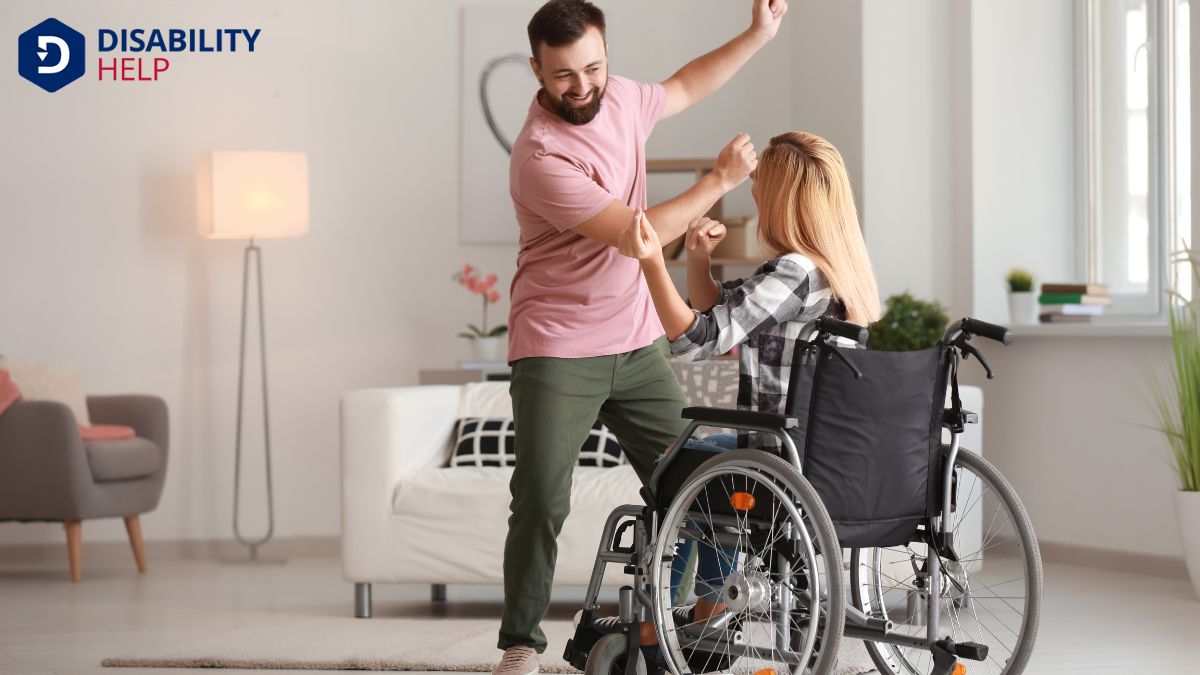
When it comes to understanding handicap accessibilityThe design of products, devices, services, or environments to be usable by people with disabilities.... standards, it’s crucial to recognize how these guidelines guarantee that environments are accessible to everyone. You might wonder what makes a space truly accessible.
These standards guarantee equal accessThe principle that all individuals, including those with disabilities, should have equal opportunity... by setting requirements for features like ramps, door widths, and signage. They’re designed to remove barriers, allowing individuals with disabilities to navigate spaces independently and safely.
Imagine entering a building where you can move freely without struggling. That's what these standards aim to achieve. They cover diverse areas, including public buildings, transportation, and even digital spaces.
You’re not just following rules; you’re fostering inclusivity. By understanding these guidelines, you’re helping create spaces that welcome everyone, regardless of their physical capabilities. Accessibility isn’t just a mandate—it’s a commitment to equality.
Legal Frameworks Governing Accessibility
When you're considering handicap accessibility, understanding the legal frameworks like ADA compliance standards is essential.
These regulations guarantee that public spaces are accessible to everyone, regardless of their abilities.
You'll also want to be aware of international accessibility lawsLegislation that mandates the removal of barriers and ensures access for individuals with disabiliti..., which can vary widely but share the common goal of inclusivity.
ADA Compliance Standards
Understanding ADA Compliance Standards is essential for guaranteeing accessibility in public spaces. These standards, established by the Americans with Disabilities Act (ADA)A U.S. law that prohibits discrimination against individuals with disabilities in all areas of publi..., aim to eliminate barriers for individuals with disabilities, promoting equal access.
When you guarantee ADA compliance, you’re making sure that buildings, facilities, and amenities are accessible to everyone, regardless of physical ability. Key areas covered include ramps, door widths, restrooms, and signage.
To be compliant, you should familiarize yourself with the specifics of the ADA Standards for Accessible Design. This will help you understand what’s required for your building or space.
Regular updates and modifications to these standards mean you need to stay informed. Compliance not only avoids legal repercussions but also showcases your commitment to inclusivity and equality.
International Accessibility Laws
While ADA compliance sets the standard for accessibility in the United States, it’s important to recognize that other countries have their own accessibility laws and regulations.
In Canada, the Accessible Canada Act aims to achieve a barrier-free country by 2040.
You’ll find that the United Kingdom enforces the Equality Act 2010, guaranteeing reasonable adjustments in public spaces for those with disabilities.
Australia’s Disability DiscriminationUnfair treatment of individuals based on their disability in areas such as employment, education, an... Act promotes equal access to services, facilities, and employment.
Each country tailors its laws to cultural and environmental needs, but the core goal remains the same: to enhance accessibility for all.
Understanding these laws helps you navigate international standards and guarantees you’re respectful and compliant when traveling or doing business globally.
Always check local guidelines for specific requirements.
Essential Architectural Features for Accessibility
When you're designing accessible spaces, consider doorway width standards to guarantee easy passage.
Pay attention to ramp incline guidelines, balancing safety and accessibility.
Don't overlook bathroom accessibility requirements, as they play an essential role in making spaces fully inclusive.
Doorway Width Standards
Guaranteeing accessibility in building design is essential, and doorway width standards are a key component of this. When designing or renovating spaces, you must consider these standards to accommodate wheelchair users and individuals with mobility aids.
The Americans with Disabilities Act (ADA) requires doorways to be at least 32 inches wide when the door is open at a 90-degree angle. This width guarantees that everyone can enter and exit comfortably and safely.
Keep in mind that door hardware also plays a role in accessibility. Lever handles are easier to use than knobs, especially for those with limited hand strength.
As you plan your building or renovation project, always prioritize inclusivity by adhering to these standards, guaranteeing that your space is welcoming to all.
Ramp Incline Guidelines
Incorporating ramp incline guidelines into your building design is vital for guaranteeing accessibility. You need to take into account the slope ratio, which is key for safe and easy navigation.
The recommended maximum slope for a wheelchair rampA sloped surface that enables wheelchair users to access buildings or other areas with a height diff... is 1:12, meaning every inch of vertical rise should correspond to at least 12 inches of ramp length. This ratio guarantees that the ramp isn't too steep, allowing for comfortable use by individuals with mobility challenges.
It's also important to include level landings at the top and bottom for resting and maneuvering. Don’t forget to provide handrails on both sides for added support.
Bathroom Accessibility Requirements
Just as ramps are integral to building accessibility, bathrooms also require thoughtful design to accommodate all users. You should verify that the doorways are at least 32 inches wide to allow easy wheelchair access.
Inside, verify there's ample space—at least a 60-inch turning radius—for maneuverability. Install grab bars near toilets and showers to offer stability and support. The toilet seat height should be between 17 and 19 inches from the floor.
Use lever handles on faucets for easier operation. Roll-in showers are preferable, and consider handheld showerheads for flexibility.
Don’t forget to check mirror and sink heights, verifying they’re accessible to someone seated. By implementing these features, you’ll create a bathroom that’s welcoming and functional for everyone.
Designing Accessible Entrances and Exits
When designing accessible entrances and exits, it’s crucial to prioritize the needs of individuals with disabilities.
Begin by confirming there's a clear, unobstructed path. Ramps should have a gentle slope, preferably a 1:12 ratio, to accommodate wheelchair users. Don't forget to install handrails on both sides for added support.
Doors should be wide enough, ideally 36 inches, to allow easy passage for wheelchairs and walkers. Automatic doors or lever handles are preferable, as they require less effort to operate.
Consider visual and auditory signals for individuals with sensory impairments. Clear signage with braille and high contrast colors can help guide those with visual impairments.
Confirm there's adequate lighting around entrances and exits to assist those with low vision. By focusing on these elements, you create a welcoming environment for everyone.
Key Elements of Accessible Restrooms
Even though restrooms often go unnoticed, their accessibility is vital for individuals with disabilities. You should guarantee restrooms have wide doorways, at least 32 inches, to accommodate wheelchairs.
Install grab bars near toilets and in shower areas to provide support and stability. The sink should be accessible, with knee space underneath and lever-handled faucets for ease of use. Make certain mirrors and dispensers are within reach—no higher than 48 inches from the floor.
Stall doors should swing outward to prevent obstruction and include easy-to-use locks. Consider the flooring; it should be slip-resistant to prevent accidents. Good lighting is important for visibility, and adequate space should allow for easy maneuvering.
These elements create a user-friendly environment for everyone.
Ensuring Accessible Transportation and Parking
Creating an inclusive environment doesn't stop at accessible restrooms; it's equally important to guarantee that transportation and parking accommodate everyone.
Start by ensuring parking spaces are clearly marked and located close to entrances, with enough space for ramps or lifts. Consider the path from the parking to the entrance, ensuring it's smooth and free of obstacles.
For public transportation, buses and trains should have low floors or lifts for easy boarding. Offering clear signage and audio announcements helps those with visual impairments.
Additionally, trained staff can provide necessary assistance. Encourage ride-sharing services to include accessible vehicles in their fleets.
Incorporating Technology for Enhanced Accessibility
You're likely aware that technology plays an essential role in making spaces more accessible for everyone.
By integrating smart home features and embracing innovative assistive devices, you can greatly enhance independence and convenience.
These advancements offer practical solutions that bring accessibility to the forefront of daily living.
Smart Home Integration
As technology advances rapidly, smart home integration has become a game-changer for enhancing accessibility in homes. You can transform your living space into a more inclusive environment by incorporating devices that respond to voice commands or smartphone apps.
Imagine controlling lights, thermostats, or even door locks without having to move. Smart speakers and assistants like Alexa or Google Home make it possible for you to adjust settings with ease, providing independence and convenience.
Don’t overlook smart security systems either; they offer peace of mind through remote monitoring and notifications. By tailoring these technologies to your needs, you enhance daily living and bridge accessibility gaps.
Embrace this new era of smart homes to build a space that’s not only functional but also empowering.
Assistive Device Innovations
While technological advancements continue to reshape our world, assistive device innovations are revolutionizing accessibility for individuals with disabilities. You might wonder how these innovations enhance daily life.
Imagine devices that seamlessly blend with technology to offer unparalleled support and independence. Here are some examples:
- Smart glasses: They provide real-time visual information, helping you navigate your surroundings with confidence.
- Haptic feedback gloves: These allow you to feel textures and shapes, bridging the sensory gap.
- Voice-activated wheelchairs: You can control your movement with just a word, granting newfound freedom.
- Brain-computer interfaces: These enable control of devices through thought, opening new possibilities for communication.
Each innovation contributes to a more accessible world, empowering individuals to engage fully with their environment.
The Role of Signage in Accessibility
Clear and effective signage plays an essential role in making spaces accessible to everyone, especially those with disabilities. You need signs that are easy to read and strategically placed to guide individuals through a space.
Use high contrast colors and large fonts so everyone can see them clearly. Braille on signs is vital for visually impaired individuals, enabling them to navigate independently.
Make certain there's consistency in your signage design, which helps users easily recognize and understand information. Signs should indicate accessible routes, entrances, and facilities like restrooms and elevators.
The Importance of Staff Training and Awareness
Beyond the impact of effective signage, the role of staff in fostering an inclusive environment can't be overstated. You rely on well-trained and aware staff to create a welcoming atmosphere for everyone, especially individuals with disabilities. Their understanding and proactive approach guarantee accessibility isn't just a checklist but a true commitment.
Imagine the difference when staff:
- Offer assistance: They're ready to help without being intrusive, respecting personal space and autonomy.
- Communicate effectively: They use clear language and adaptive communication techniques.
- Stay informed: They keep up-to-date with accessibility standards and continuously improve their knowledge.
- Cultivate empathyThe ability to understand and share the feelings of another, particularly important in understanding...: They understand diverse needs and show genuine care.
With these practices, you foster a space where everyone feels valued and included.
Beyond Compliance: Embracing Inclusive Design
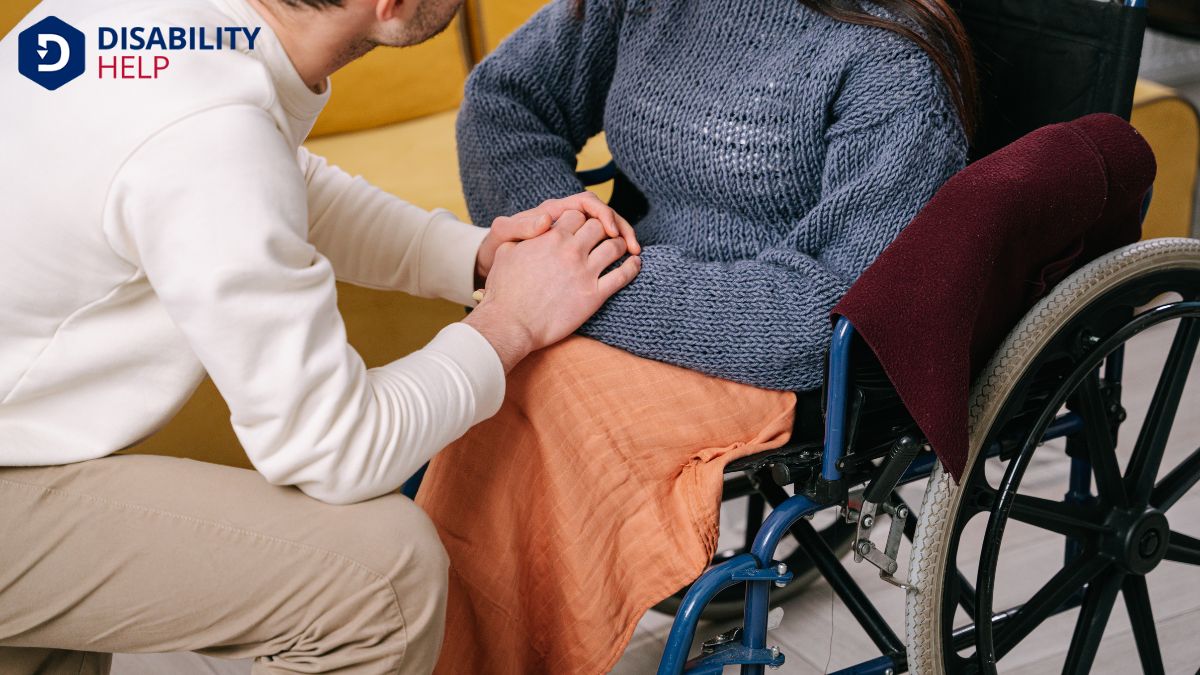
Inclusive designDesign that considers the needs of the widest range of users, including people with disabilities, fr... goes beyond simply meeting legal requirements; it embraces the idea that accessibility should be an integral part of every space.
When you prioritize inclusive design, you're not just ticking boxes; you're creating environments where everyone feels welcome and valued.
It’s about understanding diverse needs and anticipating barriers before they arise.
Imagine designing a building where paths are wide enough for wheelchairs, signage is clear for the visually impaired, and acoustics are considered for those with hearing challenges.
This approach goes further than compliance; it’s a commitment to empathy and foresight.
Conclusion
You’ve now got a solid grasp of what makes a space truly handicap accessible. By adhering to legal standards and incorporating essential features like ramps, wide doorways, and accessible restrooms, you’re ensuring inclusivity. Don't forget the role of technology and clear signage, which can greatly enhance accessibility. Staff training is vital, too, as it fosters a welcoming environment. Ultimately, embracing inclusive design goes beyond compliance, showing a genuine commitment to equal access for everyone.